Hydrogen FOR Performance Enhancement and Reliable ICE OperatioN
Project information


Project description
A safe, reliable and economically viable zero‑carbon internal combustion engine (ICE) for waterborne transport will be developed and demonstrated, enabling operation on hydrogen and biomethane with a long-term goal of up to 100% hydrogen use. The project aims to retain the inherent robustness, operability and efficiency of marine ICE technology while achieving major reductions in emissions.
In parallel to the development of a novel ICE solution, a modern fuel blending and supply system enabling flexible use of zero‑carbon fuels will be developed, along with advanced exhaust aftertreatment technologies suited for all operating conditions and with near-zero emission targets.
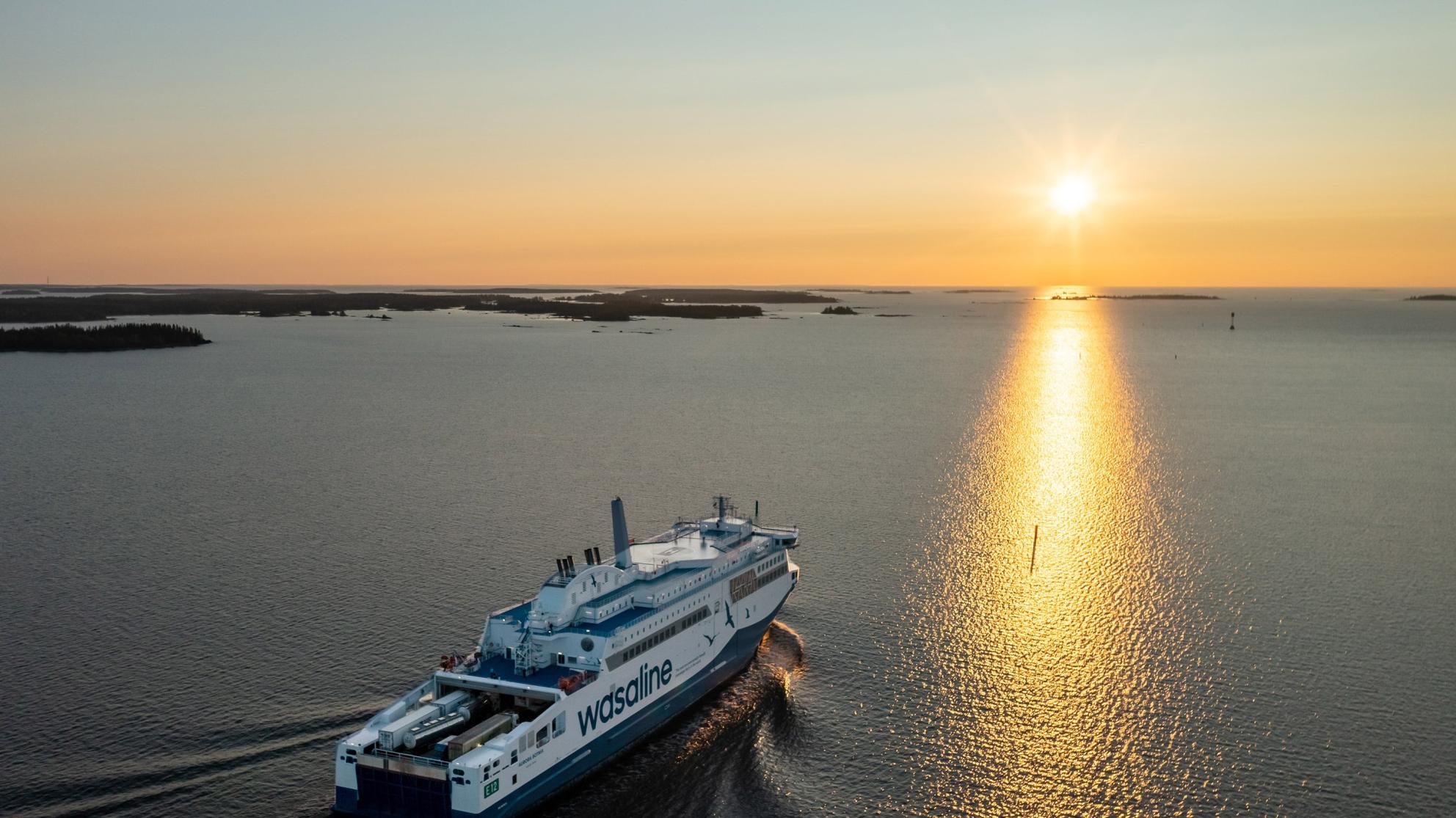
The technologies will be validated through a multi‑level demonstration strategy. Extensive laboratory demonstrations will reproduce realistic vessel operating profiles, while a real‑vessel demonstration will prove performance, safety and reliability in open‑sea conditions. A dedicated digital twin of the demonstrator vessel will integrate laboratory and onboard data, enabling simulation of efficiency, emissions, safety, and upscaling pathways.
Supporting outcomes such as training programmes for crew and port operators, contributions to safety guidelines and regulatory development, and applicability studies for additional vessel types will further accelerate the transition towards zero‑carbon maritime propulsion and strengthen Europe’s leadership in sustainable waterborne transport.