Physical activity promotion is still seeking its place at the interface between municipalities and wellbeing services counties. A doctoral dissertation underlines the need for value alignment and clearer operational coordination.
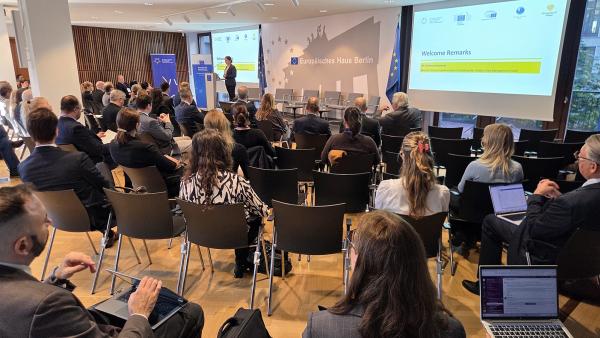
The conference Strategic Preparedness in Times of Polycrisis: A European Perspective brought together political, societal and academic stakeholders to examine how Europe can strengthen its preparedness and resilience in a changing security environment.
A doctoral dissertation in Industrial Management to be defended at the University of Vaasa examines the digital transformation of small and medium-sized enterprises (SMEs). Shahid Hafeez’s doctoral research shows that SMEs can adopt new digital technologies and maintain their competitiveness through ecosystem collaboration.
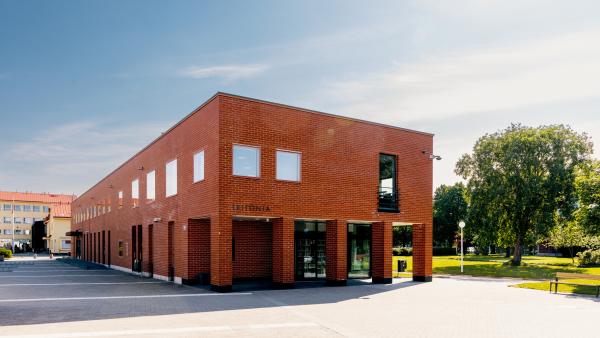
MA Marita Ahola has been appointed Director of Tritonia. She will start in the position on 7 December 2026. Tritonia is the joint academic library of the University of Vaasa, Vaasa University of Applied Sciences (VAMK), and Novia University of Applied Sciences, providing library, information and open science services to their academic communities.
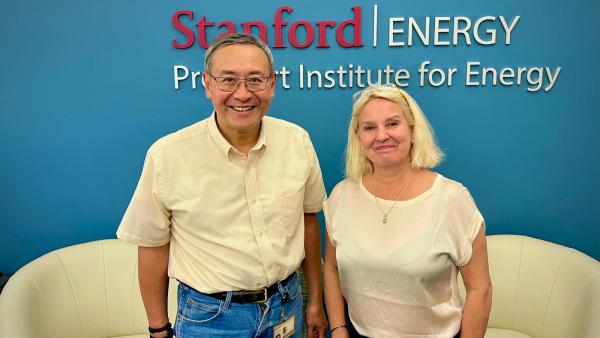
The University of Vaasa and its Finland Investment Institute are participating in Nordic Impact Week activities in Silicon Valley and Stanford Energy Nexus this October. Engagement with researchers, investors, venture capital firms and other stakeholders brings international perspectives into research on Finland’s investment environment.
The University of Vaasa is strengthening the visibility of its research and expertise, as well as its connections with businesses and societal decision-makers. Experienced communications executive and senior adviser Atte Palomäki has joined the university in an interim role to support the development of its communications, societal impact and stakeholder relations.
The University of Vaasa introduces greater flexibility into its executive education offering. Going forward, University of Vaasa’s Executive Education programs will be offered under the new Advanced Management Programs (AMP) brand.
A doctoral dissertation in Industrial Management to be defended at the University of Vaasa examines the energy transition in transport and the decarbonisation of heavy road transport. Clara Rajalehto’s research shows that electricity, biogas, and renewable diesel (HVO) can all be competitive.
Electricity consumption is expected to increase by as much as 40–50% by 2030 due to the growing number of data centres under construction and the electrification of transport, heating and industry.
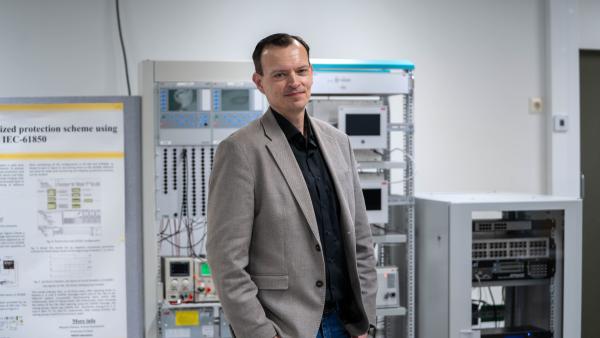
– Energy storage, demand-side flexibility, flexible engine power plants and microgrids will all play a major role in the electricity system of the future, says Professor Hannu Laaksonen from the University of Vaasa.
Investors cannot make informed decisions without reliable and comparable information about companies. In his guest lecture at the University of Vaasa on 1 October, Erkki Liikanen, Chair of the IFRS Foundation Trustees, highlighted the importance of common international reporting standards for trust, access to finance and a sustainable economy.