
University of Vaasa in 2025: Growth, collaboration and societal impact
Image
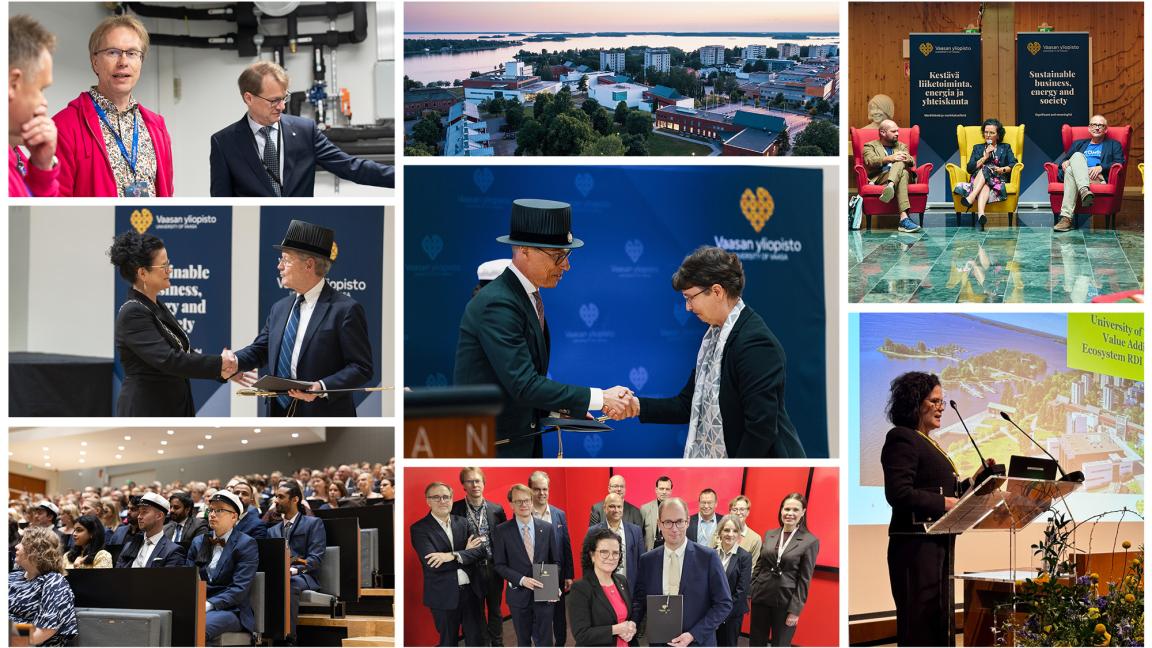
The year 2025 was a year of growth, collaboration, and international impact for the University of Vaasa. The university strengthened its position both in Finland and globally, proving to be a bold innovator and a strong influencer. The year brought significant research funding, new initiatives, impactful partnerships, and success in international rankings.
A year of sustainable energy and resilience
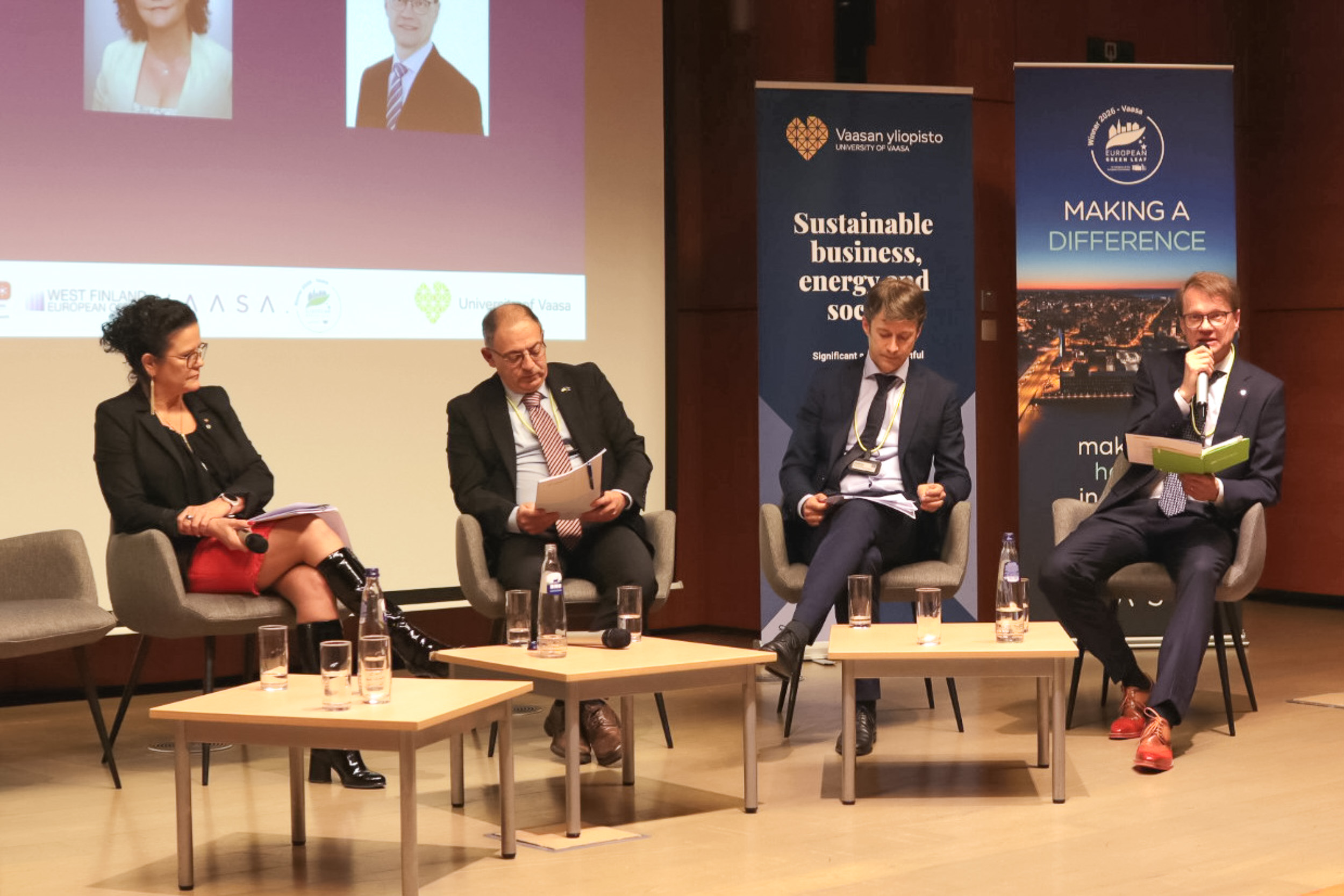
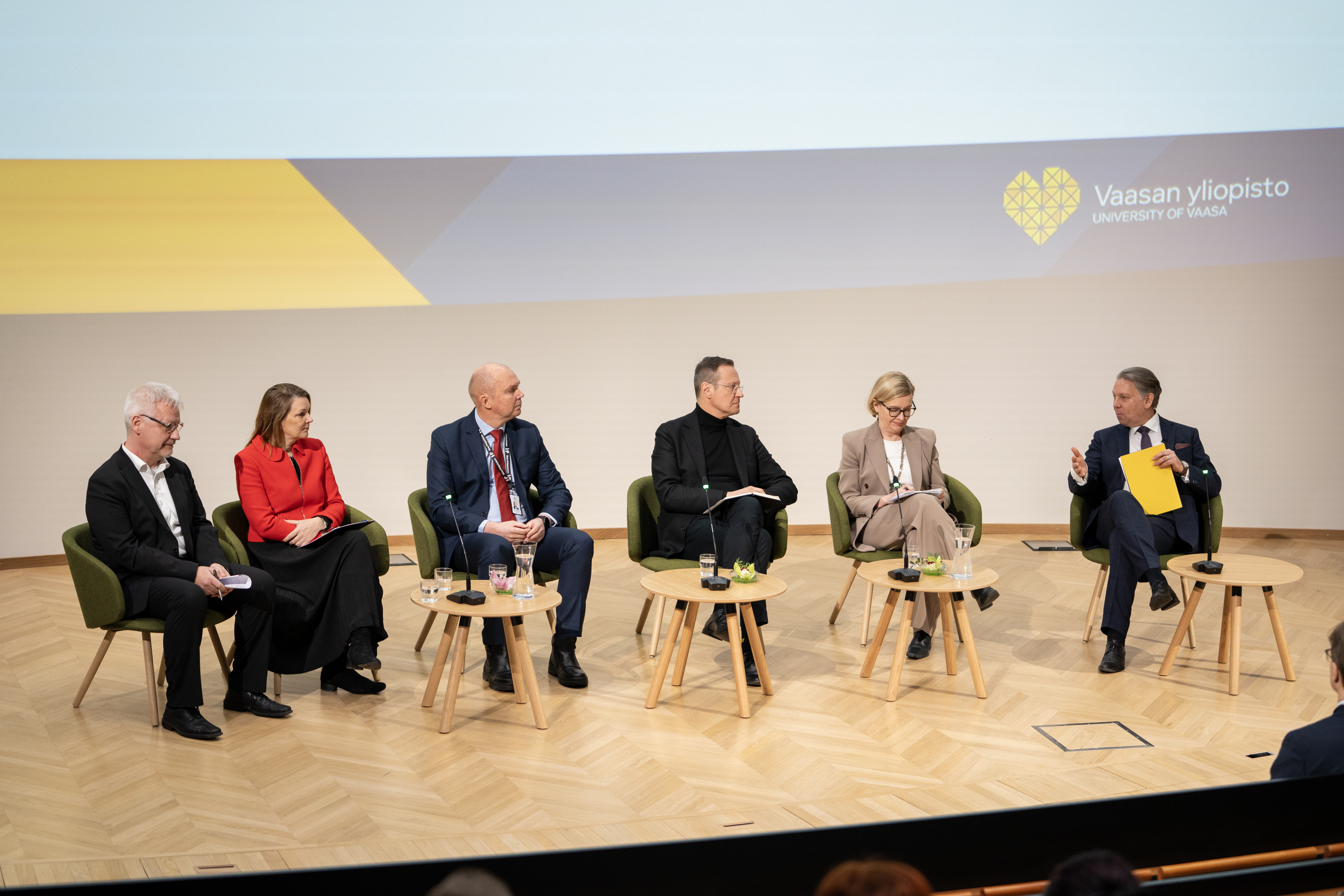
The transformation of the energy sector and preparedness were key themes of the year. Conferences held in Brussels in January and November highlighted a new era of sustainable energy, competitive growth, and resilience. The University of Vaasa increased its visibility at the EU level by actively participating in discussions and emphasising the role of research in the energy transition, promoting sustainable growth, and strengthening crisis resilience.
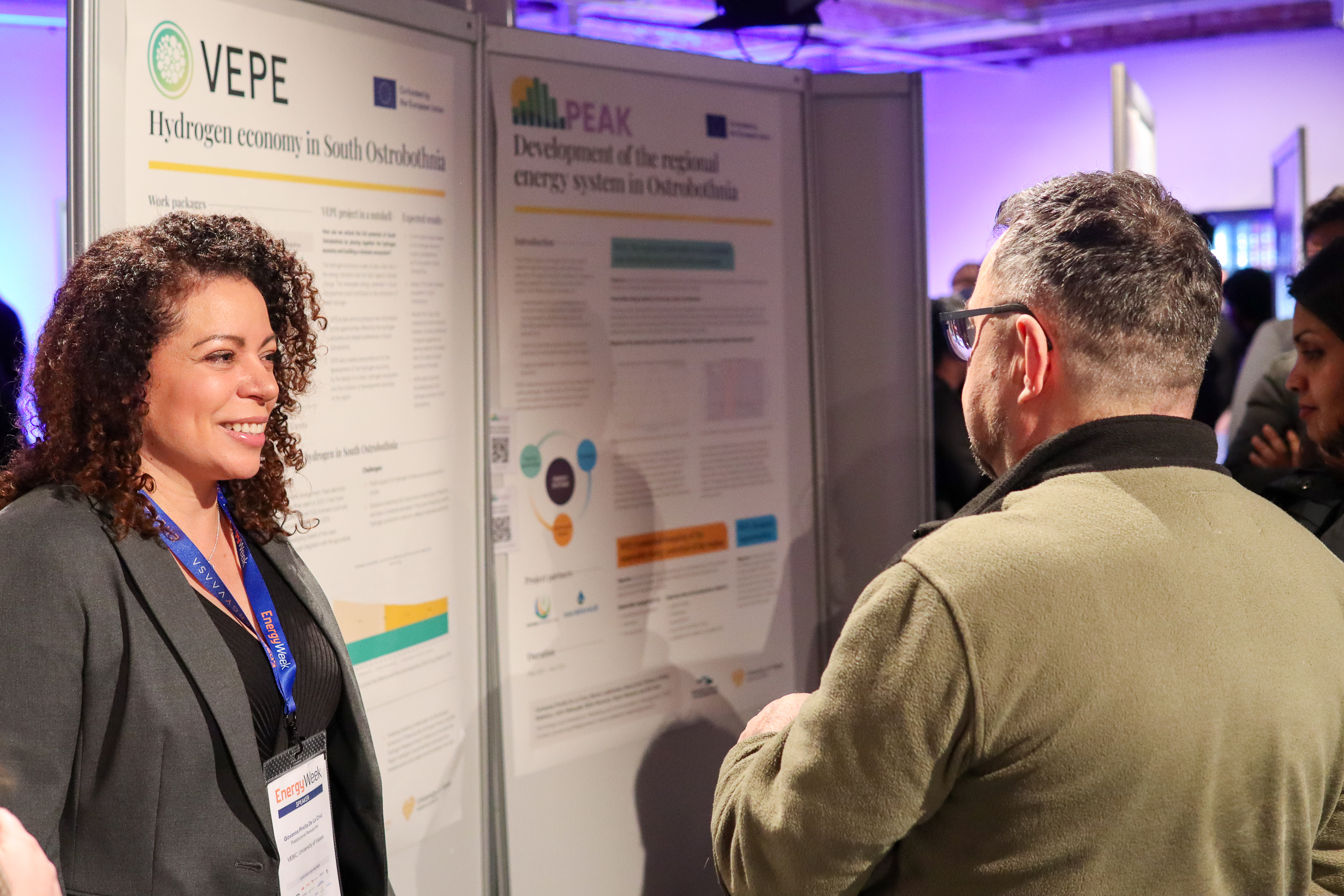
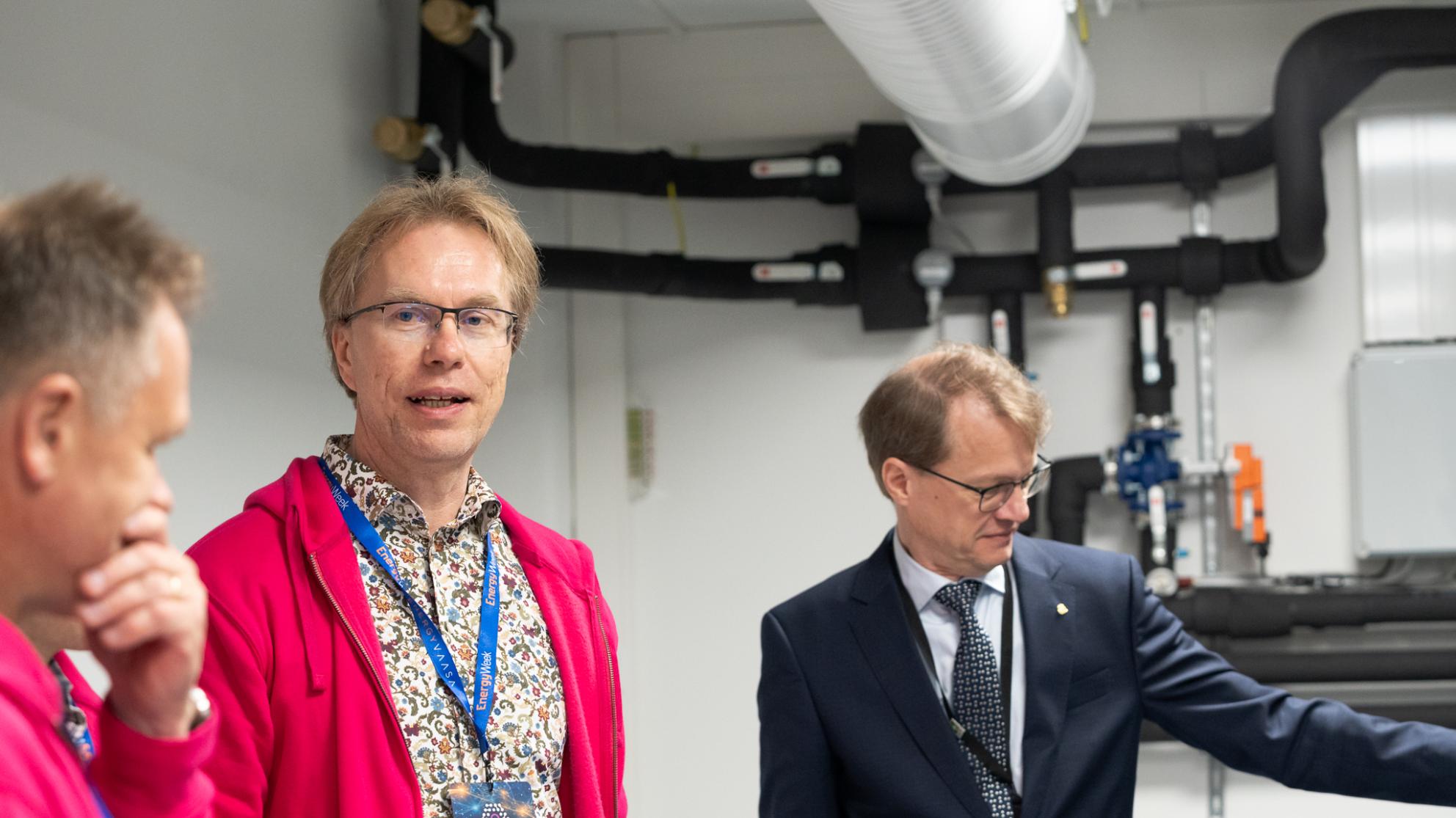
The Nordic countries’ most important international energy event, EnergyWeek, brought together researchers, decision-makers, and influencers to discuss innovative energy solutions and collaboration between universities and businesses. In August, the university’s multidisciplinary week at Wasa Future Festival sparked engaging discussions, deepened collaboration, challenged participants to find joint solutions to global challenges, and generated new initiatives.
Major milestones of the year included the launch of the Preparedness and resilience research platform and the completion of the WSTAR research environment, which provides solutions for improving the energy efficiency of data centers.
Image
Image
Image
Image
Image
Research funding and donations for advancing science
The year saw significant research funding and donations. The university participated in projects developing circular solutions, applying artificial intelligence in product development, preventing cyberattacks on wireless networks, and utilising buildings as energy sources. Funding from the Academy of Finland supported research on human-centric and embodied AI, combining AI and intangible capital to boost growth and competitiveness, creating a roadmap for a sustainable space economy as well as studying online consumer deception.
Riitta and Jorma J. Takanen Foundation donated €120,000 for hydrogen technology research, and Peter Sarlin made a substantial donation to advance AI research in Finland.
Ranking success and growing appeal
The University of Vaasa achieved its best-ever result in the THE Impact Ranking, kept its position among the world’s top 500 universities, and ranked among the best in Finland for research quality in business and engineering. The university also retained its top spot in the Finnish universities’ performance ranking.
Its appeal was evident in the spring joint application process, which attracted a record number of applicants to the University of Vaasa. Both bachelor’s and master’s programs continued to grow in popularity.
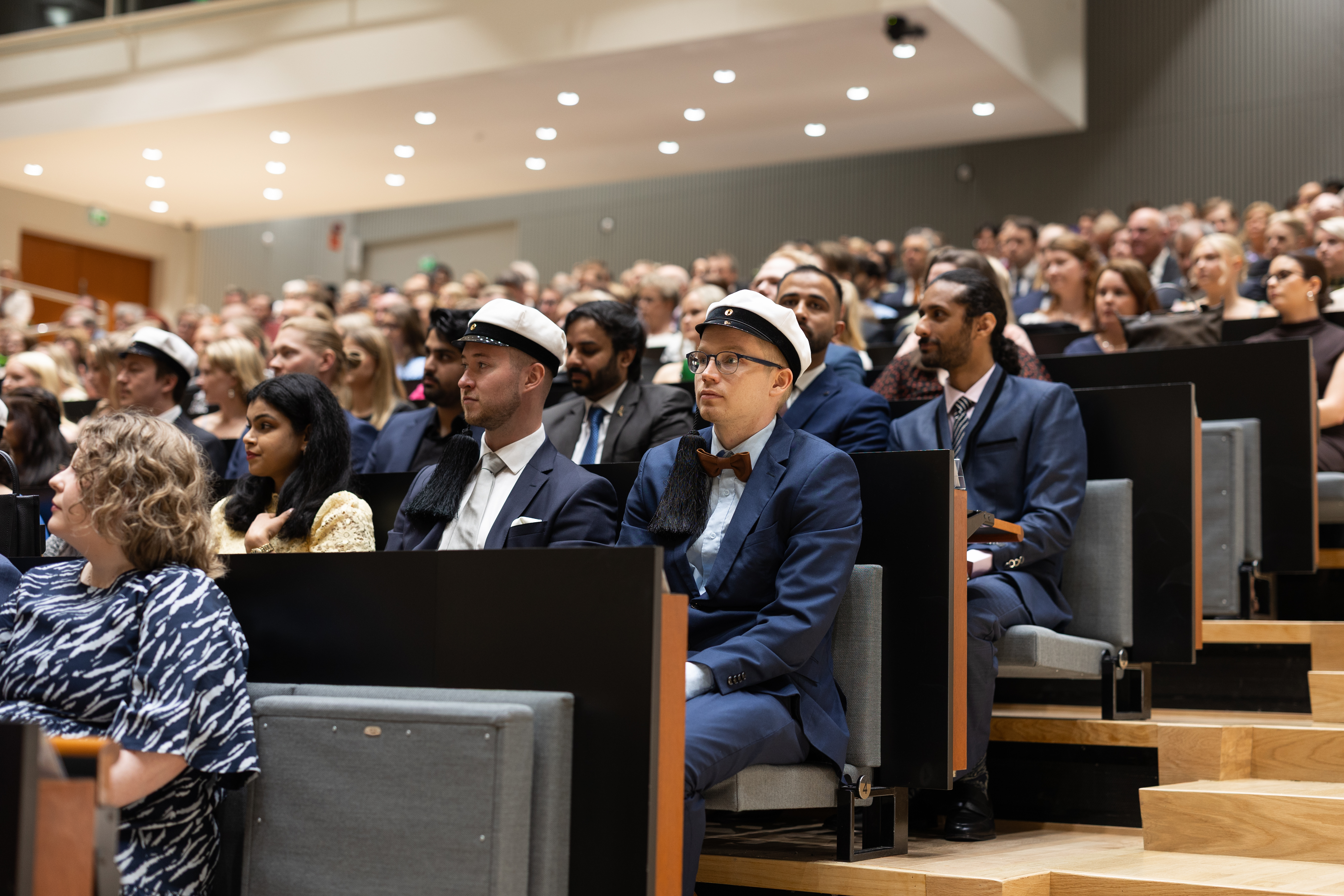
In 2025, a significant number of students graduated from the University of Vaasa – approximately 1,500 completed a bachelor’s, master’s, or doctoral degree.
Image
Celebrations and recognitions
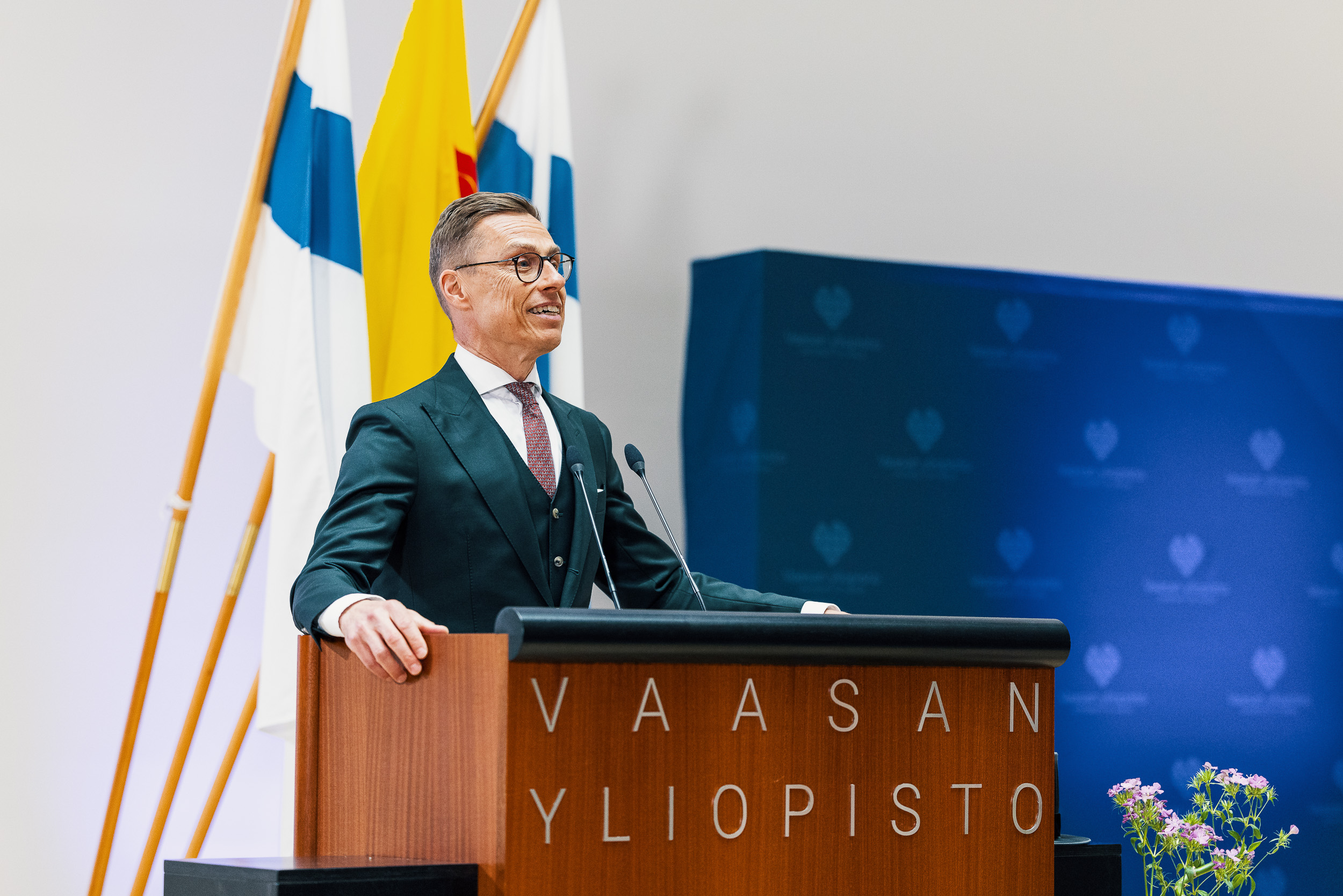
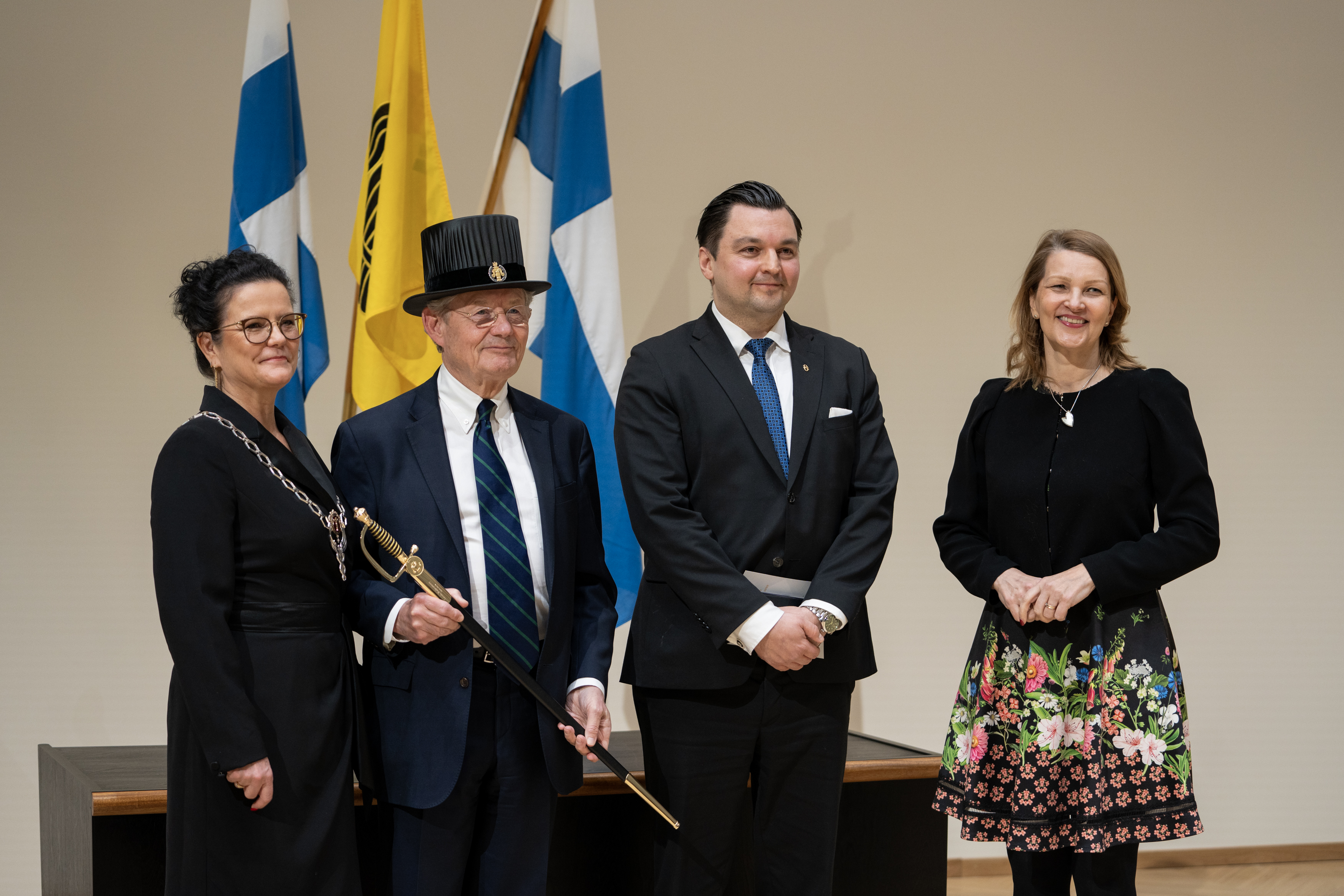
The year was also marked by celebrations. In April, the President of the Republic of Finland, Alexander Stubb, visited the University of Vaasa, delivered a lecture at the ceremonial event, and received an honorary doctorate.
Image
Jacob Wallenberg, Chairman of the Board of Investor, also received the symbols of the honorary doctoral degree – the doctoral hat, sword, and diploma – during the honorary doctorate celebration. The honorary doctorates were awarded to Stubb and Wallenberg at the university’s autumn 2024 conferment ceremony.
Image
The university received international recognition for its significant economic, societal, and regional impact – the first in the Nordic countries. The Business School Impact System (BSIS) evaluation report highlighted the university’s key role in regional development and its strong position as part of the Nordic region’s largest energy technology cluster, the EnergyVaasa network.
Strong partnerships and new opportunities
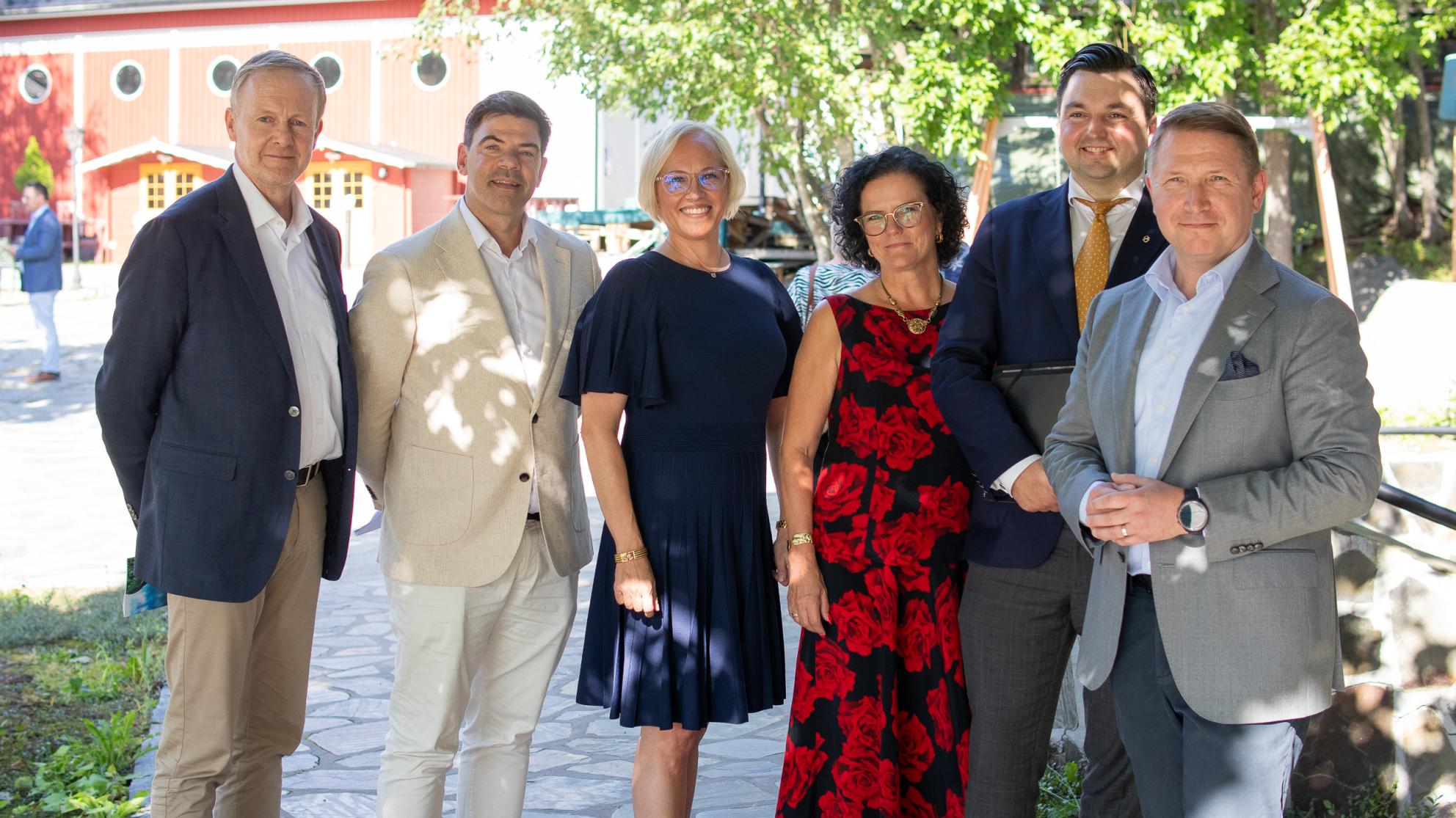
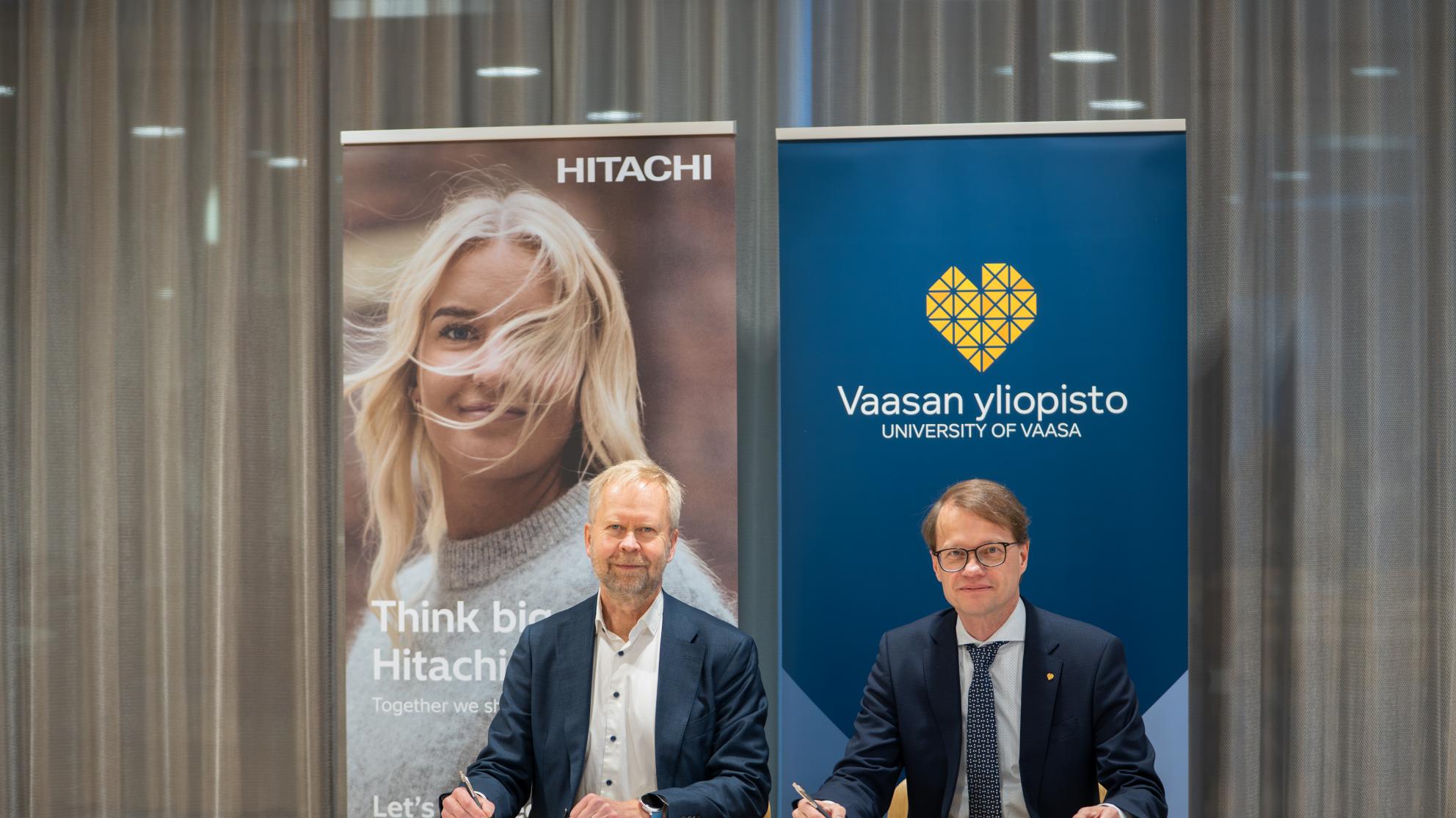
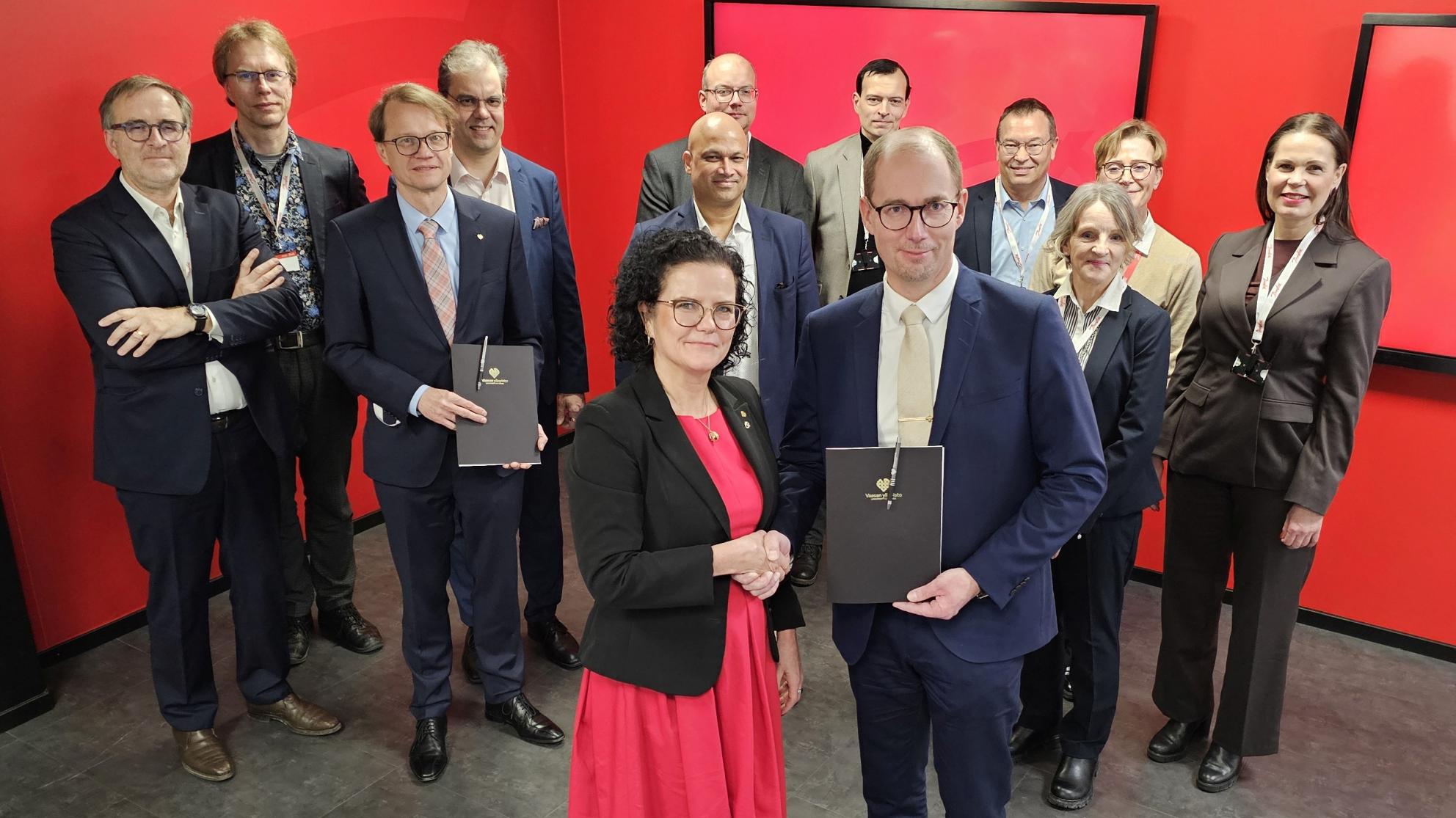
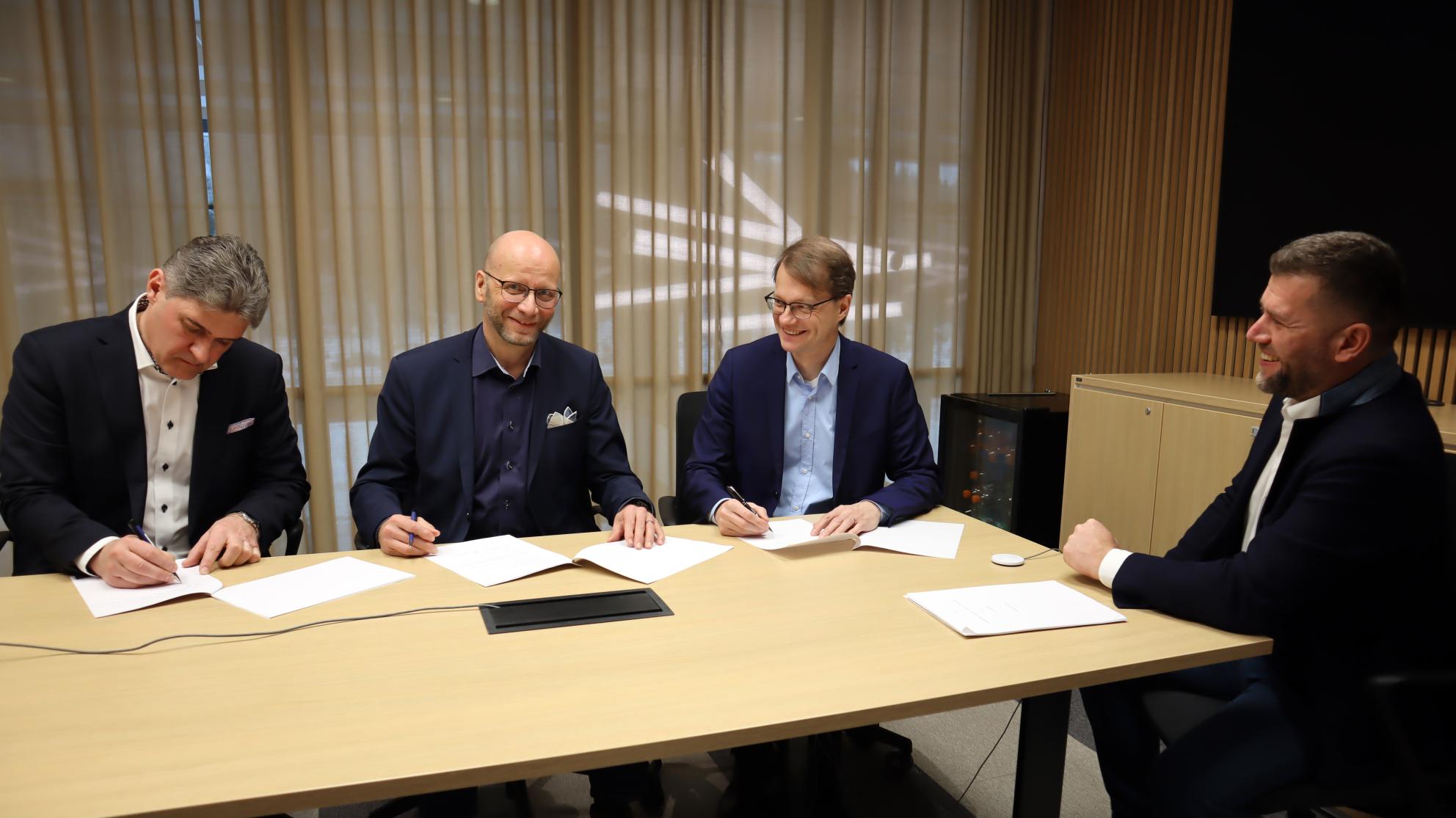
Collaboration deepened on many levels. In June, the University of Vaasa and Vaasa University of Applied Sciences established a new higher education consortium to strengthen regional expertise and educational offerings. Strategic cooperation agreements were signed with Hitachi and Danfoss, enhancing expertise, promoting sustainable development, and creating new opportunities for students and researchers. The university and AGCO Power are establishing a research and competence center for engine technology to expand low-carbon energy solutions for off-road heave equipment.
In addition, the university’s industry-integrated CoDoc doctoral education model expanded through collaboration with Wärtsilä and the universities of applied sciences in Vaasa and Seinäjoki, offering new opportunities for industry-driven research and making doctoral education more flexible.
Image
Image
Image
University of Vaasa in 2025 - Watch the news summary on video
Enable English subtitles by clicking the CC button.