Energy
News and articles on Energy
Newshub front pageThe world needs sustainable and environmentally friendly energy solutions. The University of Vaasa conducts multidisciplinary energy research across technology, business studies, economics, and governance. The university's strategy is particularly focused on the energy transition. As part of the largest energy technology hub in the Nordics, in one of the most successful regions of Finland, we are at the heart of the solution to the energy transition and the shift towards a carbon-neutral society. Strong collaboration with industry partners ensures that research has a direct impact on real-world challenges, driving innovation and competitiveness in the energy sector.
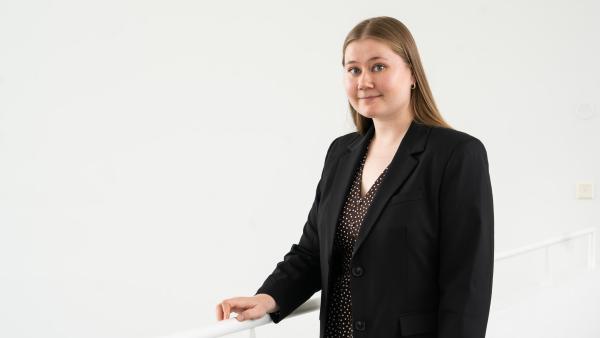
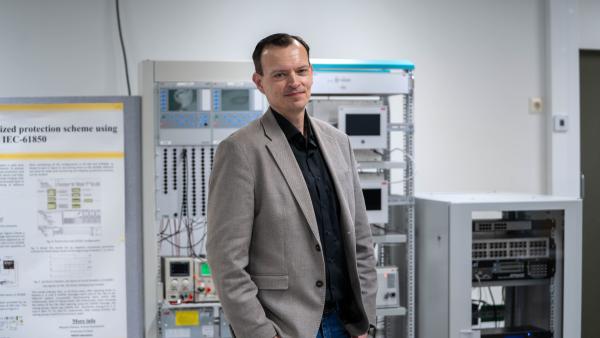
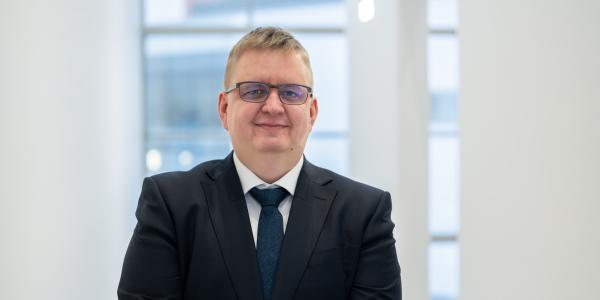
The shipbuilding industry is on the verge of a major leap forward. Timo Alho's doctoral dissertation at the University of Vaasa introduces a pioneering power management strategy that prevents ship blackouts. In Alho's management principle, the vessel's electrical equipment is capable of independently supporting the ship's grid without centralised commands. This makes the vessel's power systems significantly more fault-tolerant than before.
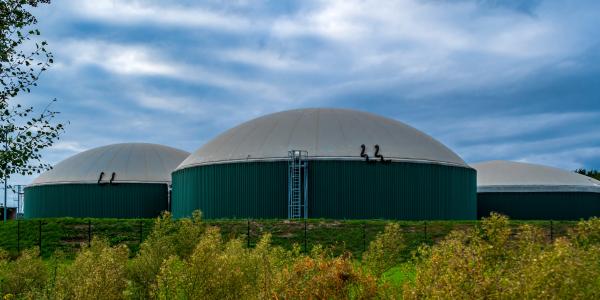
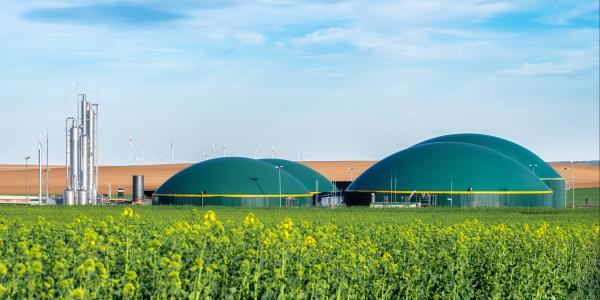
Across the Ostrobothnian regions in Finland, considerable biogas resources remain underexploited: biogas production could expand to eight times what is currently achieved. Utilising this potential is regarded as one of the key options for advancing the area’s green transition. Through the DigiBiogasHubs project – a collaboration between the University of Vaasa, Centria University of Applied Sciences and Seinäjoki University of Applied Sciences (SEAMK) – a new digital platform and process model have been created to support biogas hub development in the area.
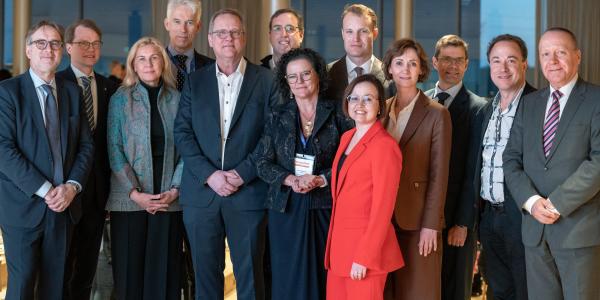
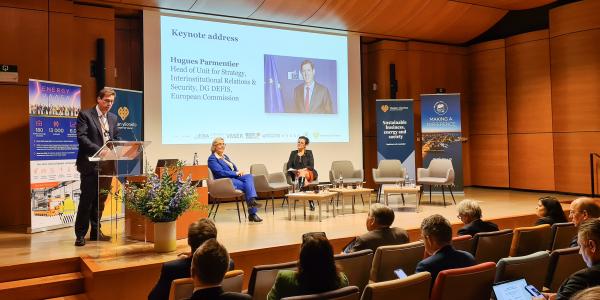
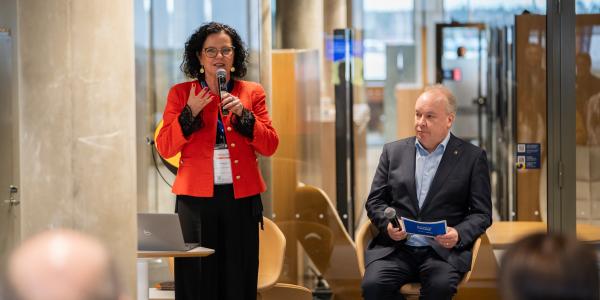
The Energy Transition & Comprehensive Resilience conference, hosted by the University of Vaasa at the Royal Academy of Sciences of Belgium in Brussels, brought together experts, policymakers and industry representatives from across Europe. The event explored how Europe can strengthen preparedness, accelerate the clean energy transition and improve industrial competitiveness in an increasingly complex geopolitical environment.
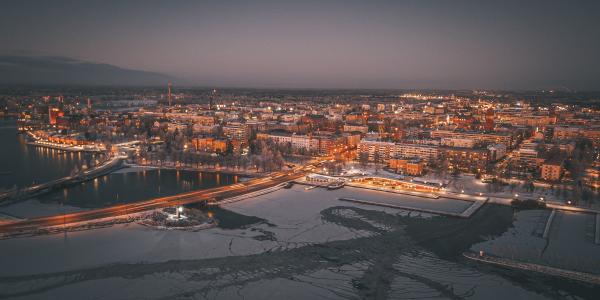
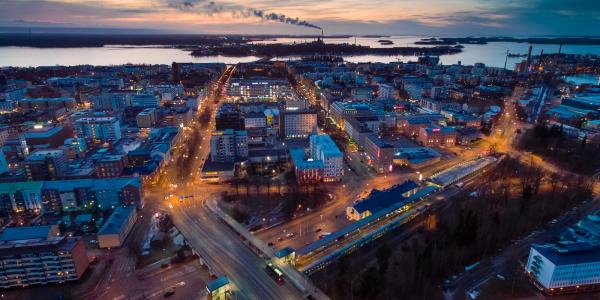
Vaasa has launched the Nordic Energy Capital project, which aims to make the city a model for carbon-neutral energy solutions. The EU-funded project strengthens the region’s role as a forerunner in the green transition: solutions are also being tested in other European cities. The University of Vaasa is a partner in the project.
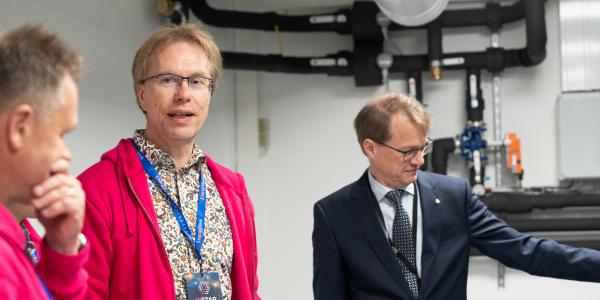
A new research environment has been completed in Vaasa to develop solutions for improving the energy efficiency and reducing the emissions of data centers. WSTAR brings together universities, companies, and regional stakeholders to advance sustainable data center technologies.
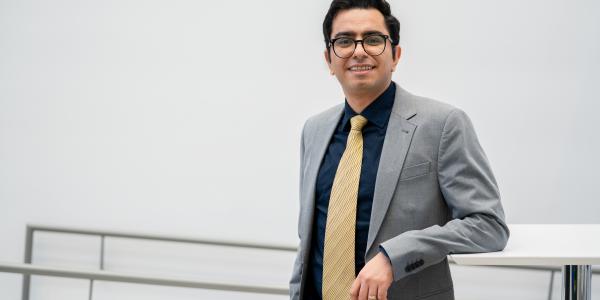
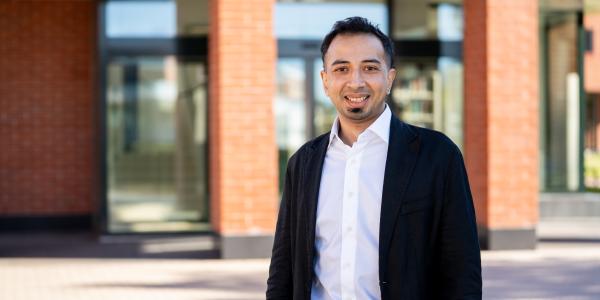
The future of the electricity market may depend less on big power plants and more on everyday choices made at home. Nayeem Rahman’s dissertation at the University of Vaasa shows how consumers are gaining influence through energy flexibility, with direct implications for sustainability and costs.
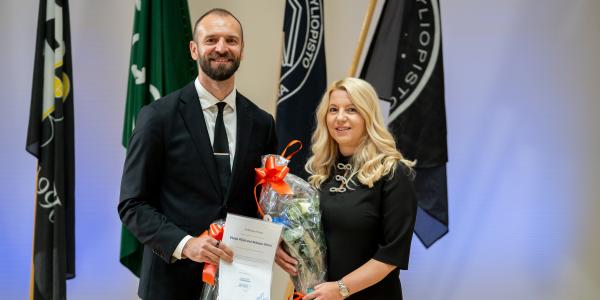
The Ostrobothnia Chamber of Commerce has granted a €5000 award to University of Vaasa Associate Professors of Finance Vanja Piljak and Assistant Professor Nebojsa Dimic for their scientific article related to the energy sector. The award was presented on Monday, 1 September at the university’s opening ceremony for the new academic year.
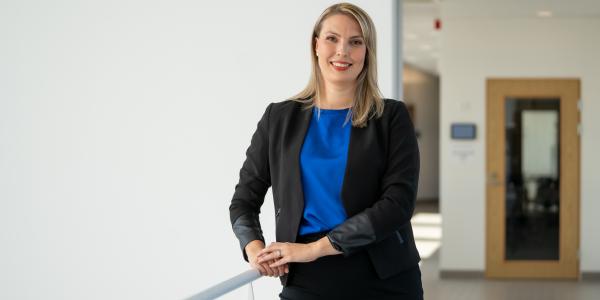
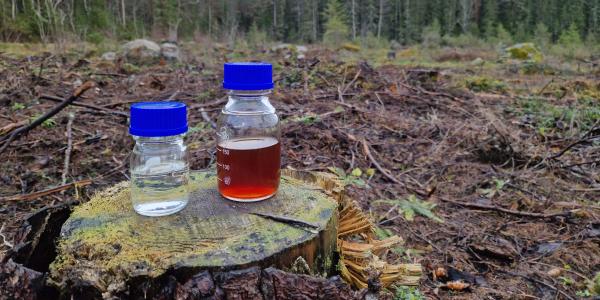
In her doctoral dissertation at the University of Vaasa, Michaela Hissa demonstrates that fuels refined from waste and industrial by-products can help reduce emissions in existing engine applications.
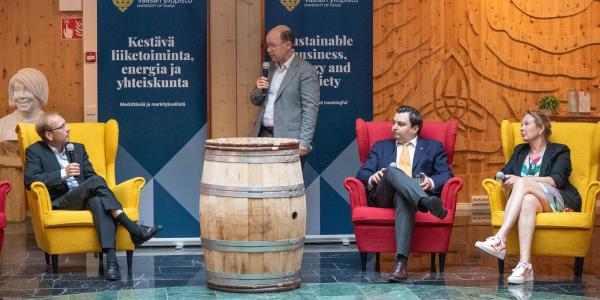
How can we accelerate research and development of carbon-neutral energy systems, strengthen the competitiveness of companies, and at the same time promote sustainable economic growth? The Vaasa Energy Transition Valley could offer concrete solutions to these questions. The topic was discussed on Tuesday 12 August at an event organised by the University of Vaasa as part of the Wasa Future Festival.
Biogas plays a significant role in promoting regional energy self-sufficiency and the circular economy. DigiBiogasHubs, a joint research project of the University of Vaasa, Centria University of Applied Sciences and Seinäjoki University of Applied Sciences, brings together biogas market operators with the help of a digital online platform and creates a basis for a new kind of cooperation. The development of regional biogas concentrations and the identification of interfaces between them are at the heart of the goal of multiplying the production and use of biogas.
Inconsistent cybersecurity practices in organisations pose a threat to the energy sector. A new handbook from the University of Vaasa offers a structured, user-friendly resource to enhance cybersecurity resilience in the energy sector.
The University of Vaasa has joined the European Energy Research Alliance (EERA), becoming part of its joint programme on Digitalisation for Energy. With strong expertise in developing digital solutions to enhance energy efficiency and sustainability, the university will contribute significantly to EERA’s mission. This membership further strengthens the University of Vaasa’s position as an international actor in the field of energy research and expands the scientific reach of the joint programme.
The City of Vaasa has been granted significant international funding by the European Commission for the sustainable urban development project, in which the University of Vaasa is a partner. The total funding for the project amounts to €5.4 million, of which the EU share is 80 percent – that is, €4.3 million.