
Energy transition requires new innovation and collaboration – EnergyWeek evening seminar brought experts together at the University of Vaasa
Image
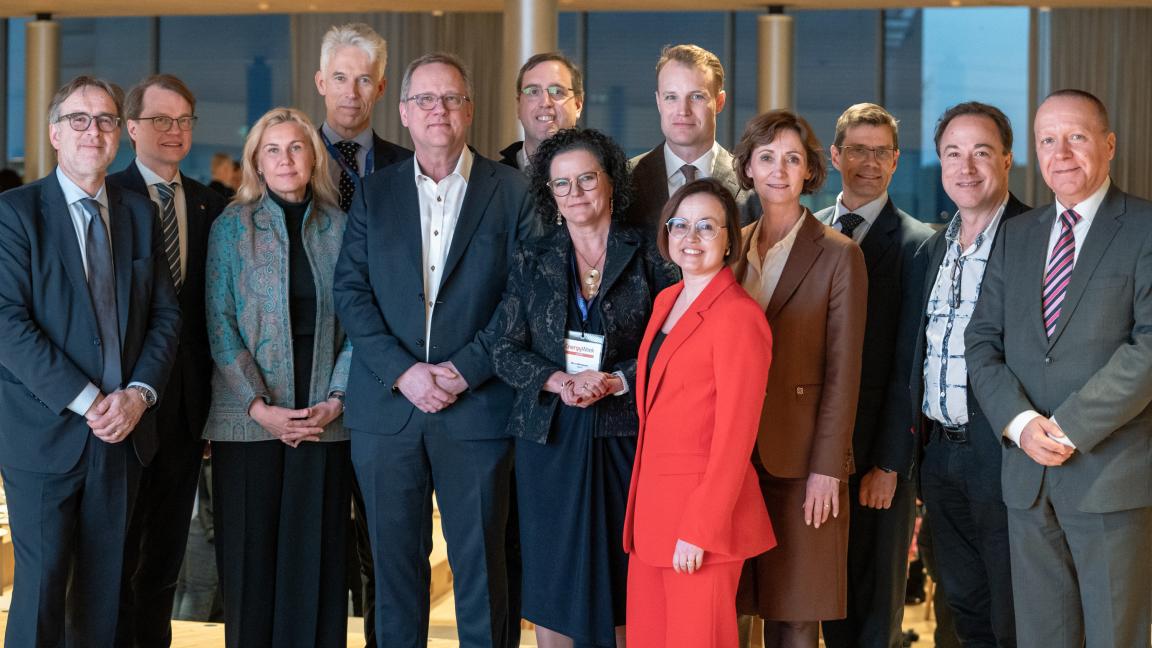

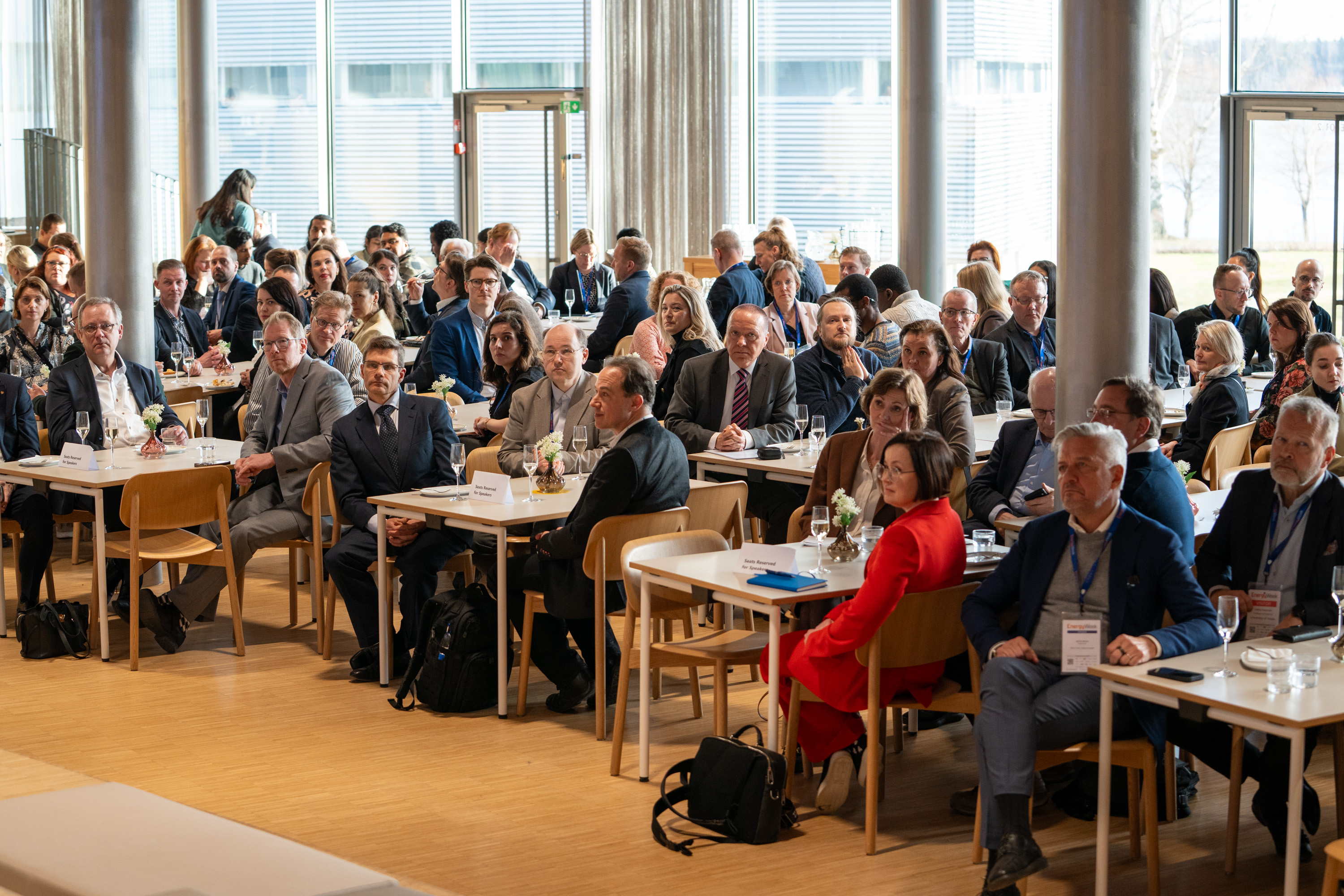
Europe’s energy transition and resilience will not progress without new innovation and close collaboration between research, industry and the public sector. This was the key message at the international EnergyWeek evening event held on Monday at the University of Vaasa, where European policymakers, business leaders and university representatives discussed how to accelerate the energy transition and strengthen strategic autonomy.
The European Energy Transition & Resilient Sovereignty seminar and evening event at the University of Vaasa was opened by Rector Minna Martikainen, who emphasised the importance of research and collaboration with industry in advancing the energy transition. According to her, the role of universities is to bring research-based knowledge into practical solutions and industrial development.
– Science only becomes meaningful when it connects with companies and society and creates impact.
At the University of Vaasa, research on energy transition and resilience is multidisciplinary and high-quality. It brings together technology, business and society to address real-world challenges.
Ambassador of Belgium to Finland and Estonia, Karel Tousseyn, spoke about the development of energy policy and infrastructure in Belgium and across Europe. He noted that energy crises have often accelerated new solutions and investments. He also stressed that no country can secure its energy sovereignty alone, but partnerships are essential.
Image
Image
Energy transition is also about security and the economy
The keynote of the evening was delivered by former EU Commissioner for Energy Kadri Simson, who discussed how European energy policy has changed since Russia’s war in Ukraine. Europe had to rapidly reduce its dependence on Russian energy and accelerate the energy transition.
– We diversified our supply, we reduced dependency, we accelerated renewables, and we made sure that no single supplier can hold the continent hostage again.
Image
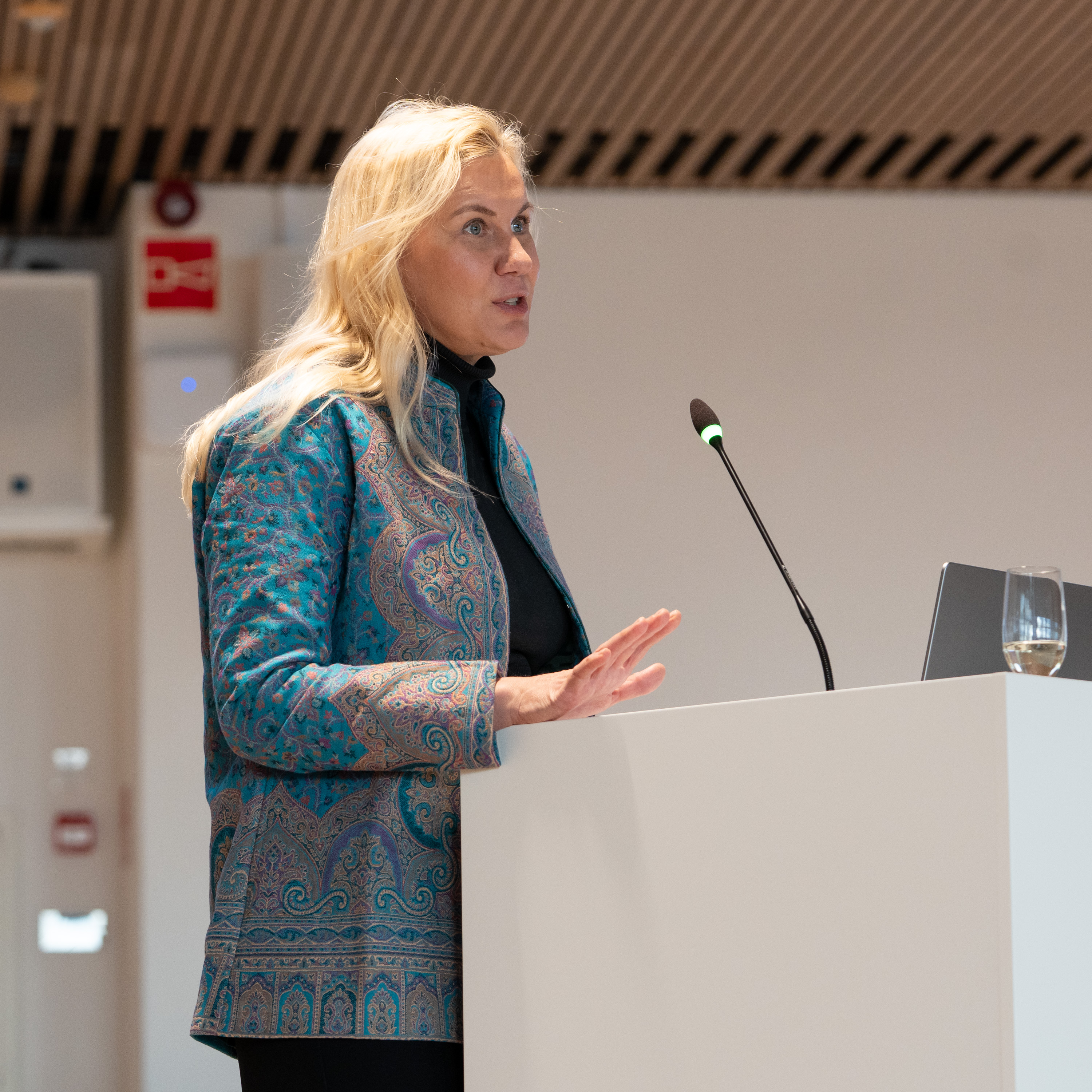
According to Simson, energy policy has changed rapidly, and the energy transition is now increasingly linked to security, the economy and climate targets. Europe is currently facing the risk of a new oil and gas crisis.
She also highlighted the tension in energy markets: while the cost of producing renewable energy has decreased, consumer energy bills have still increased during recent crises.
Referring to Ukraine’s experiences, Simson pointed out how crises expose vulnerabilities in supply chains.
– At the very moment when we are most dependent on certain technologies, they are not available on the market.
Image
Innovation ecosystems drive the energy transition
Timo Hallantie, Head of Unit at the European Innovation Council’s EIC Pathfinder, spoke about how research ideas need to be turned into new companies.
– We believe in inventors and their ideas.
According to Hallantie, the EU supports innovation not only through research funding but also through investments in growing technology companies.
Image
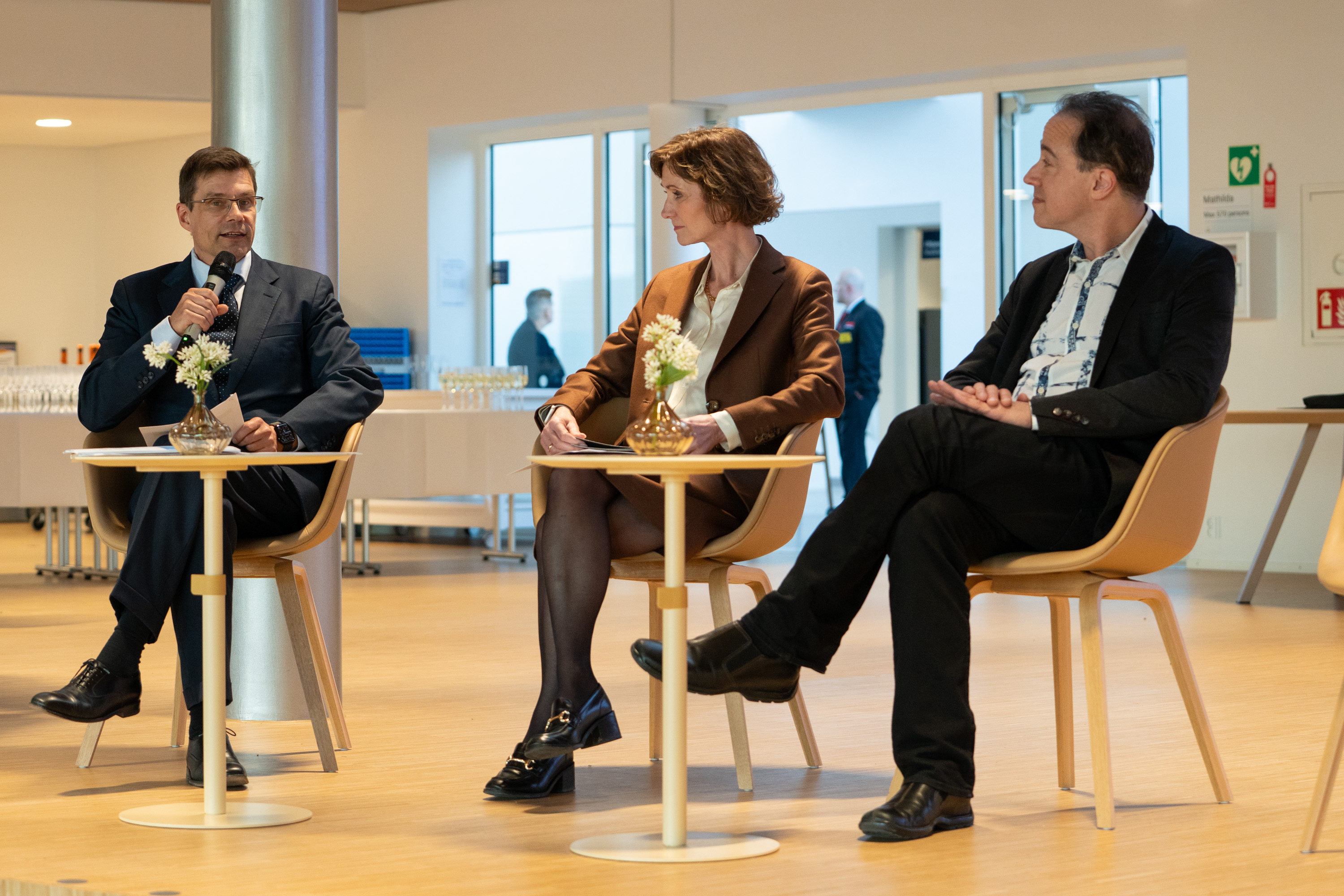
Lowina Lundström, CEO of EIT InnoEnergy Scandinavia, described the energy transition primarily as an industrial transformation. She also highlighted Finland’s strong start-up ecosystem and stressed the importance of policy in ensuring that new technologies can be scaled rapidly into industrial use.
Jeff Wallace, co-founder of Silicon Valley in Your Pocket and partner at the Batchery Accelerator, emphasised the importance of international networks in building innovation ecosystems.
– Innovation happens at startups. Scale and distribution of innovation happens at corporates.
He stressed the importance of building bridges between ecosystems so that those with resources can support those with ideas.
– Continue building the bridges to those ecosystems that can foster and support the entrepreneurial ecosystems.
According to Wallace, taxation and regulation also play a key role in determining whether investors are willing to fund new ventures.
Resilience and energy system security in focus
Eero Ailio, Energy Transition and Local Governance at the European Commission, examined the energy transition from the perspective of EU economic and industrial policy.
– The idea that the transition is an opportunity is still there.
Ailio noted that energy policy must balance climate targets with competitiveness, and that high energy prices remain a major challenge for European industry.
Florin Urseanu, Adviser on Preparedness and EU Integrated Political Crisis Response at the European Commission, approached energy systems from a resilience perspective and compared strategic autonomy to a household that can produce its own energy.
He also pointed out that in crises, the issue is rarely a single technology, but the entire supply chain.
At the University of Vaasa, energy security and resilience are also studied across different research groups and through the Preparedness and Resilience research platform launched this year, which brings together perspectives on comprehensive security, resilience and preparedness. A new Master’s programme in Preparedness and Resilience will also start in the autumn.
Image
Vaasa energy ecosystem as an example of collaboration
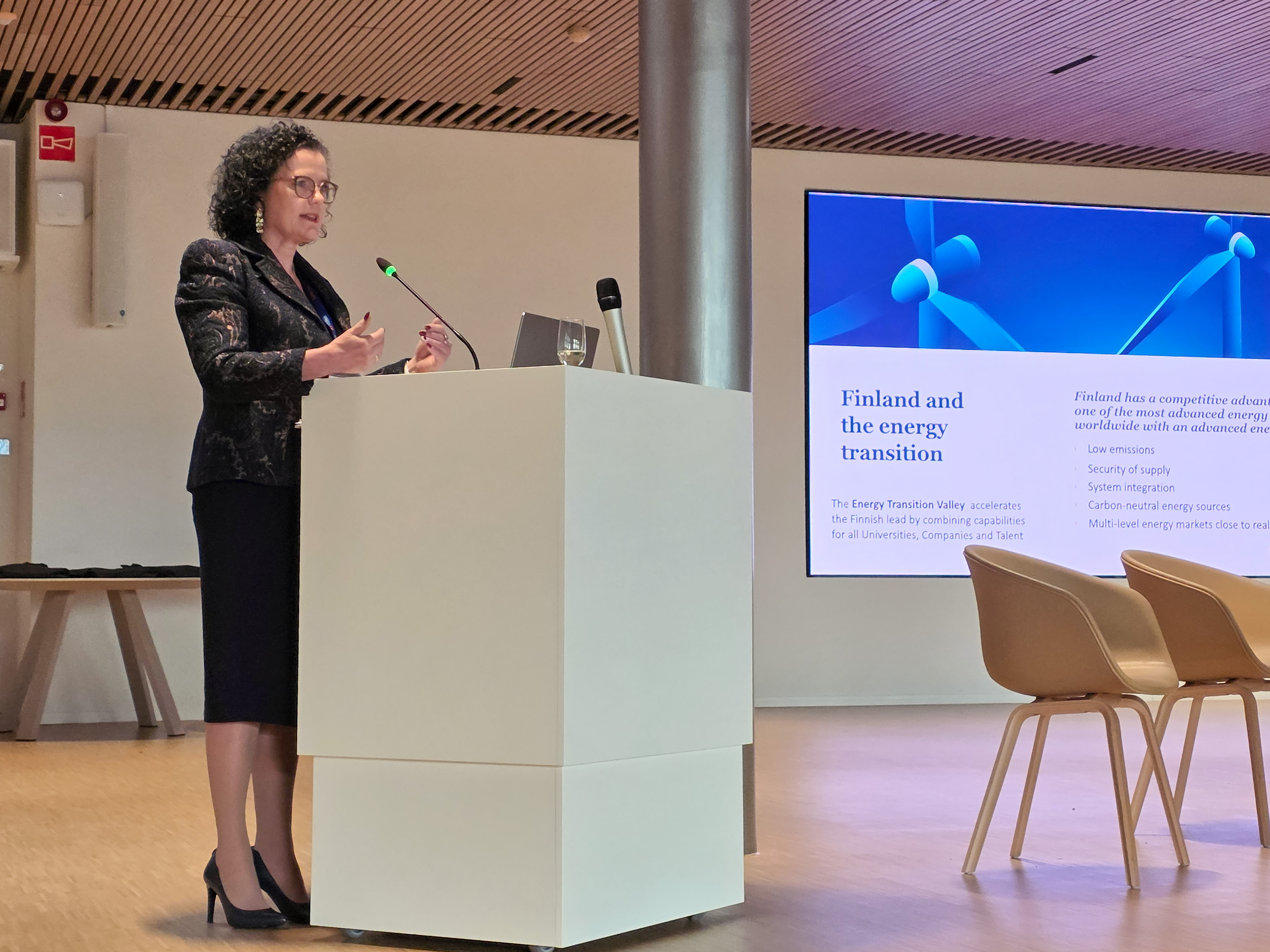
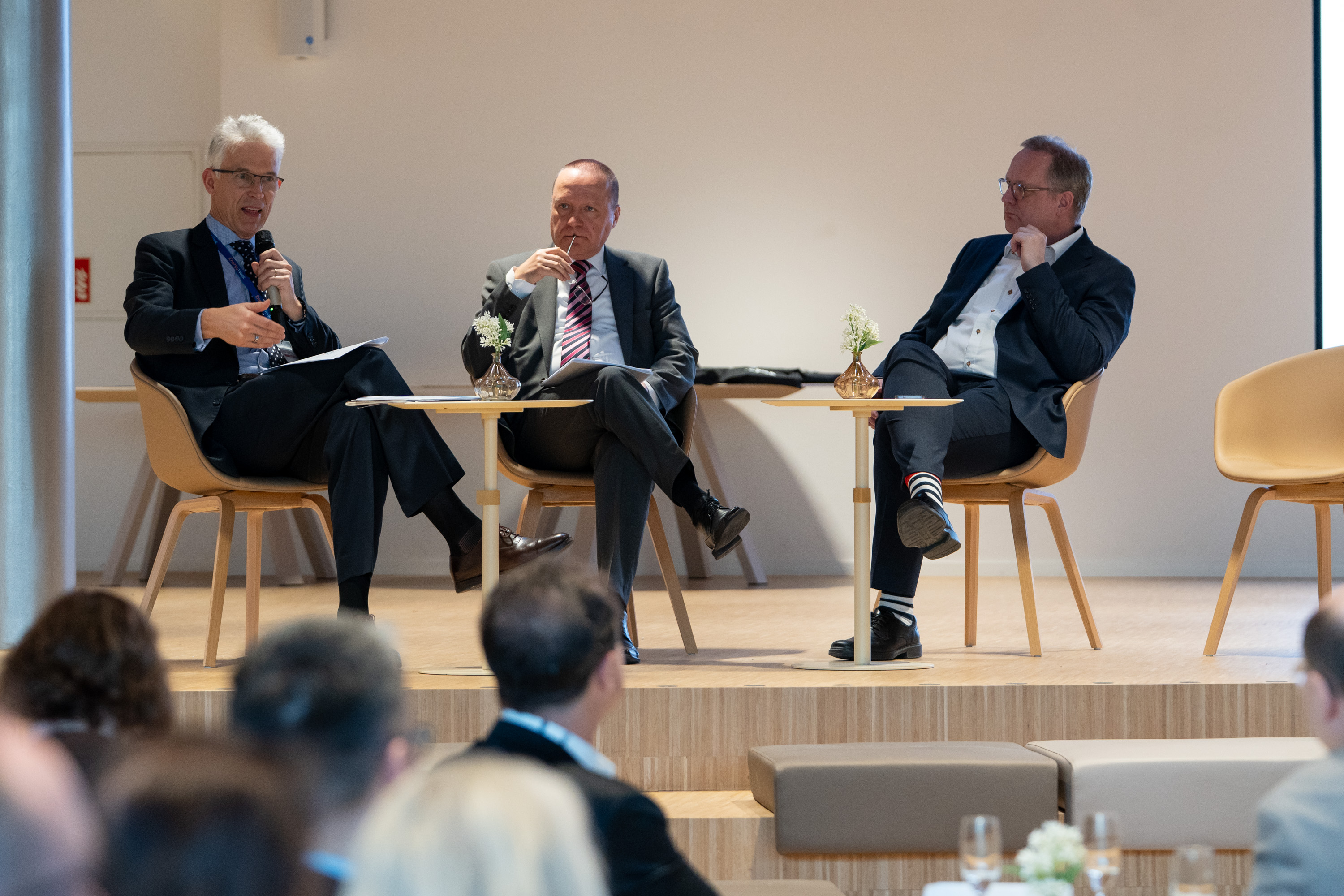
Mayor of Vaasa Tomas Häyry presented the Vaasa energy technology cluster, which consists of around 180 companies. According to him, the region’s strength lies in close cooperation between companies, universities and the public sector.
– The public sector, universities and companies set common goals and create value together for the entire ecosystem.
Häyry also highlighted a growing challenge: while investments in the energy sector are rapidly increasing electricity demand, energy infrastructure is not developing at the same pace. Discussions often focus on production, even though it is equally important to ensure that energy can be transmitted where it is needed.
Image
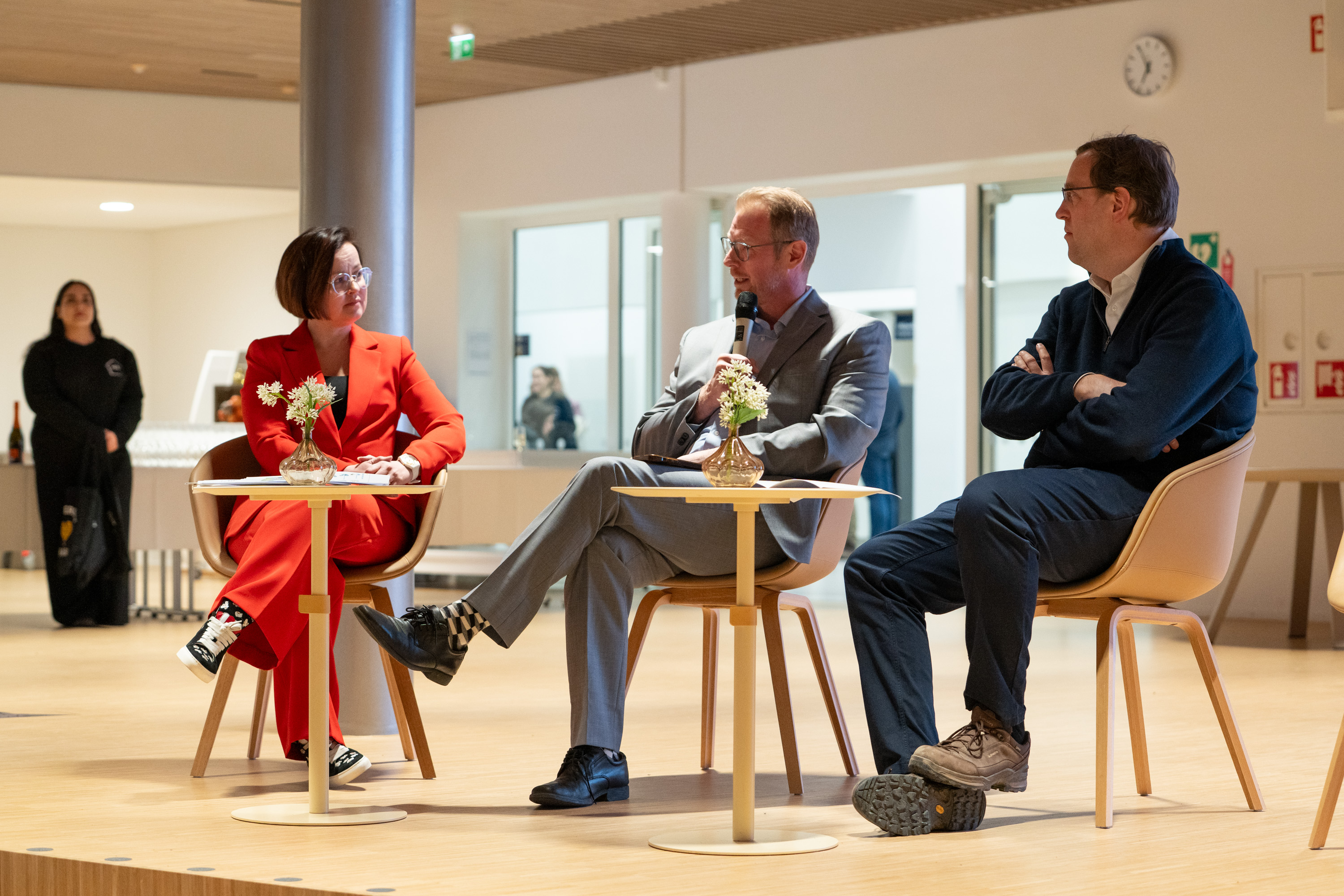
From the industry perspective, the energy transition was discussed by Eleonor Hedström, Director of Next Business Lab and the WISE ecosystem at Wärtsilä; Jérôme Kervyn de Meerendre, co-founder of Memoco; and Jari Marjo Vice President, Industrial Drives, Danfoss Drives.
Hedström noted that the rapid growth of renewable energy is fundamentally transforming the energy system. Wind and solar power now produce the cheapest electricity ever seen globally, but balancing solutions are needed to manage variability.
Kervyn de Meerendre highlighted the importance of digitalising electricity grids and explained how energy flows can increasingly be monitored through measurement data.
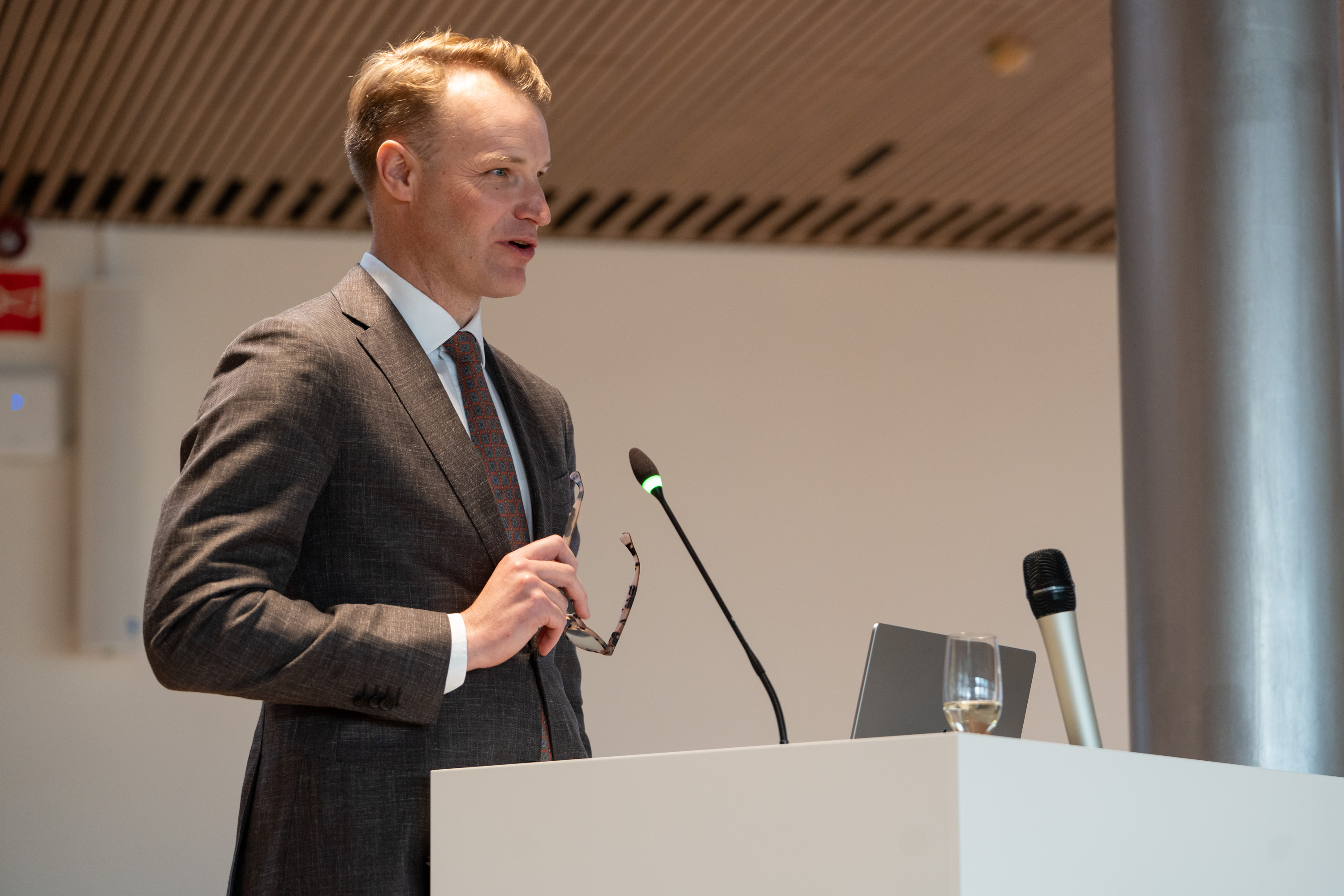
Jari Marjo emphasised the economic impact of innovation:
– When innovation creates value for the customer, it creates jobs, exports and new innovation.
He also stressed the importance of collaboration between companies, investors and universities, as well as the need for talent development in the energy sector.
Image
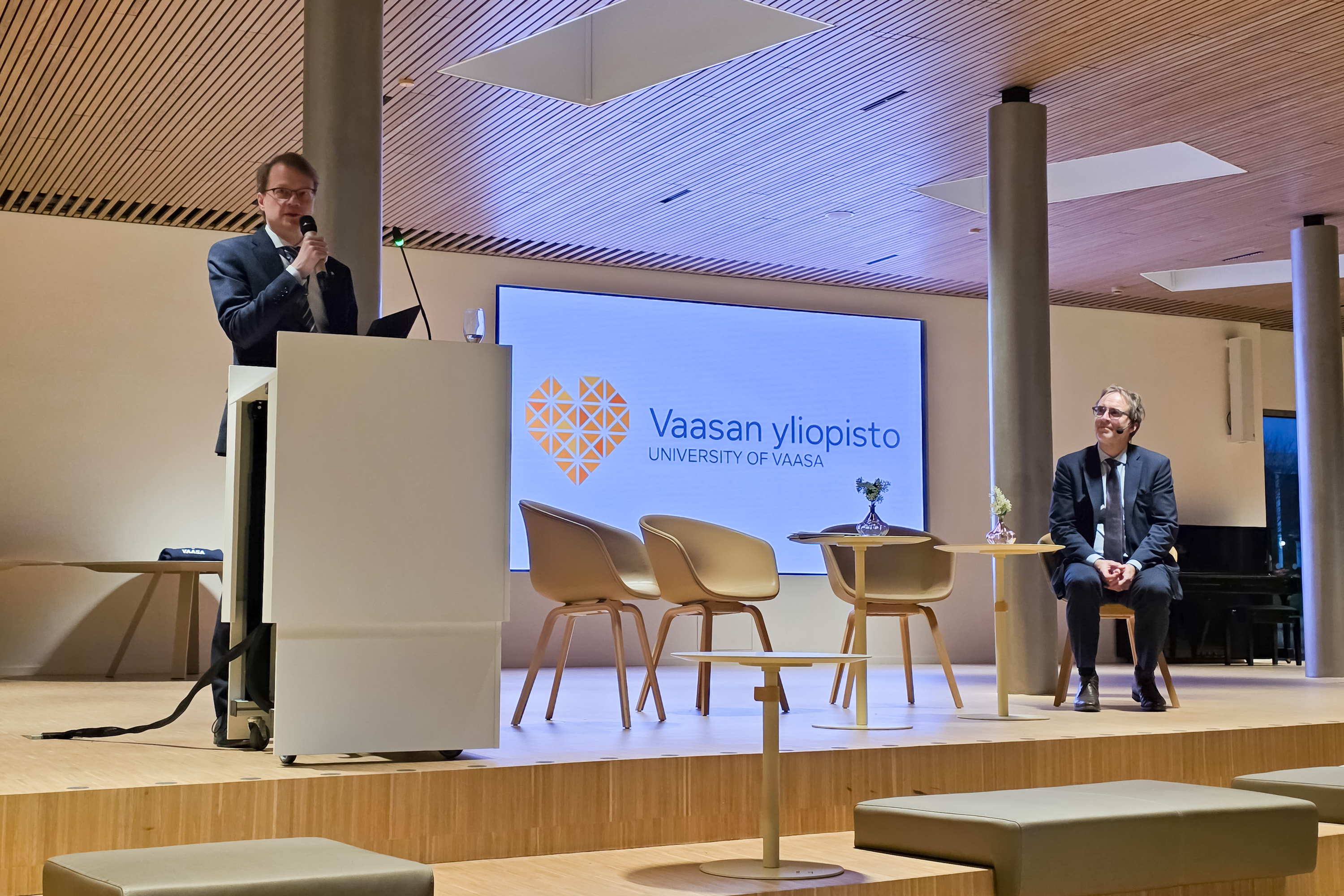
The event was concluded by Vice-Rector for Research Mika Grundström, who summarised the key message of the discussion:
– The key message of today has been collaboration – this is not a journey you can take alone.
The seminar and evening event, organised as part of EnergyWeek, continued the discussion initiated earlier by the University of Vaasa in Brussels on energy system resilience and the European energy transition. The evening concluded with networking in a relaxed atmosphere at the University of Vaasa Arcade.