
University of Vaasa opens Brussels office with a clear message: Europe needs closer links between research, industry and policymaking
Image
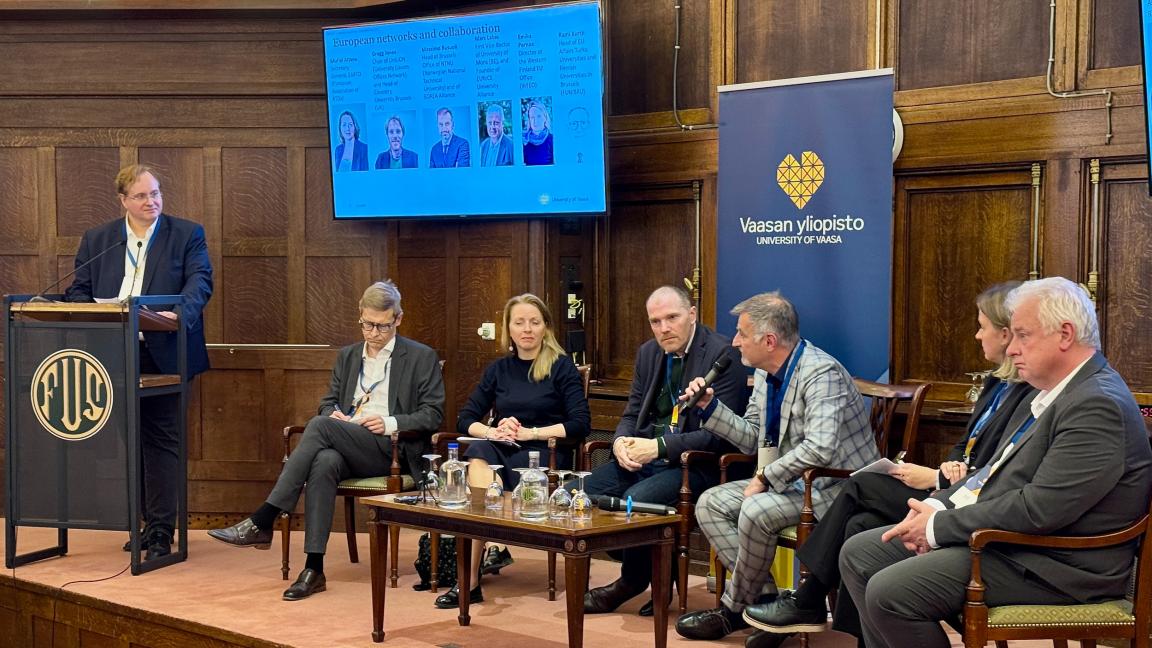
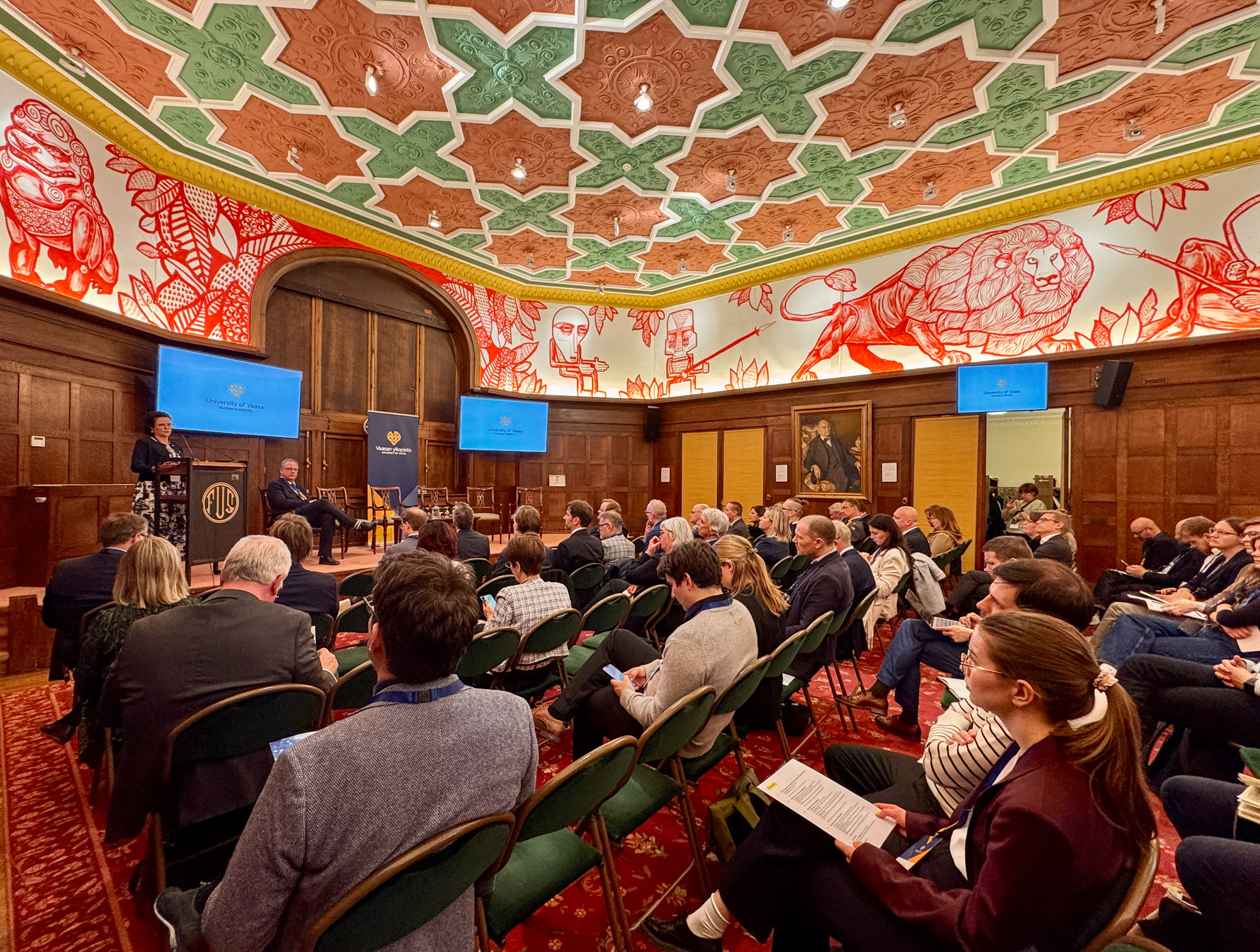
University of Vaasa opened a European Office in Brussels on 21 April 2026, bringing the University closer to the institutions, networks and partners shaping Europe’s future. The inauguration brought together representatives from European institutions, research organisations, industry, regional networks and higher education partnerships. The message running through the afternoon was both ambitious and practical: if Europe wants to remain competitive, secure and resilient, it needs stronger connections between universities, companies, cities, regions and policymakers.
The event was hosted by Philippe Vanrie, from the University of Vaasa's European Office, who emphasised that the office is not just symbolic but intended as an active platform for collaboration and practical work. This reflected a widely shared view: in an era defined by the energy transition, digitalisation, geopolitical uncertainty and industrial competition, universities cannot remain on the sidelines.
A strategic step into the European arena
Image
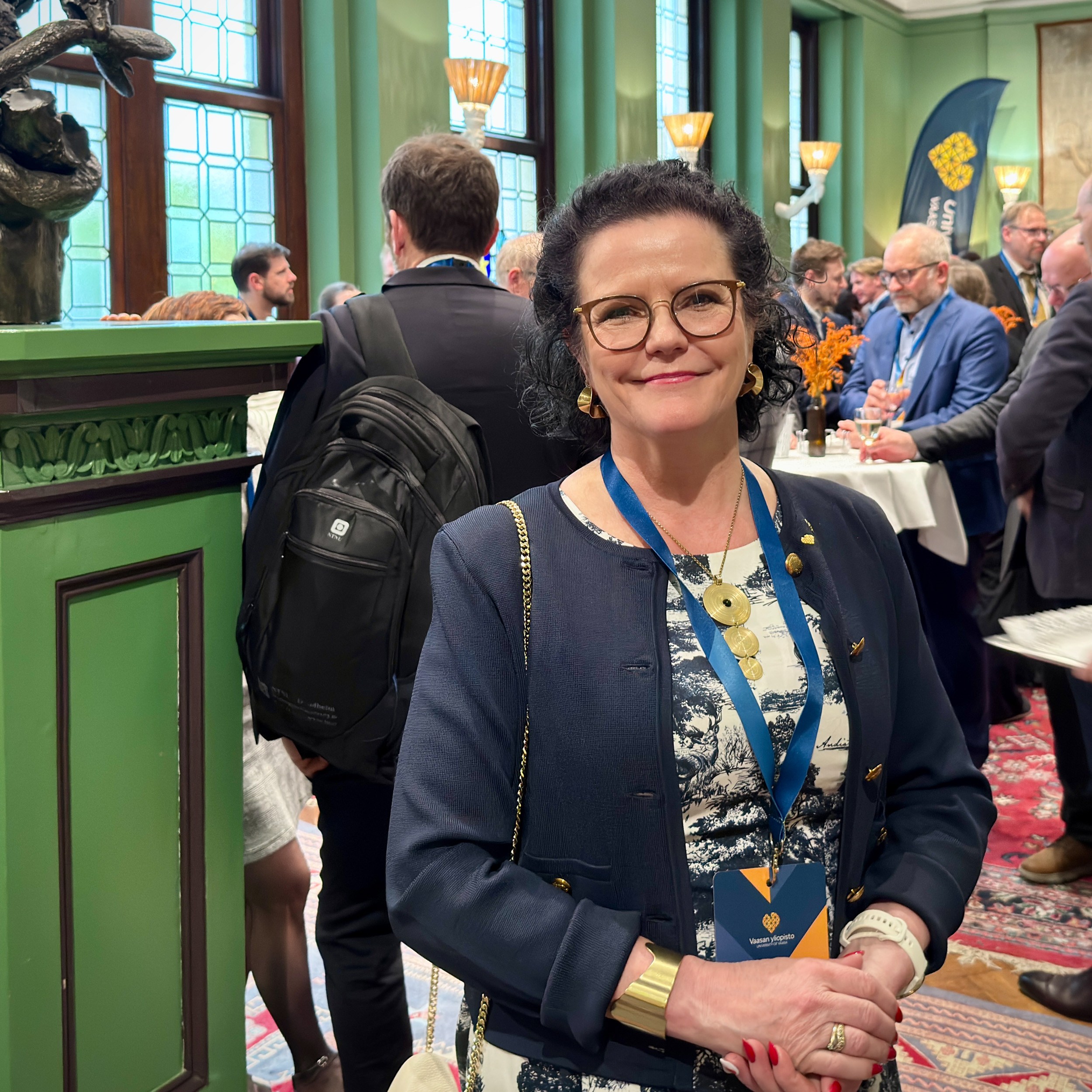
Rector Minna Martikainen highlighted the University’s priorities for EU collaboration, drawing on its existing strengths and the changing needs of Europe. She stressed that Europe’s future growth will depend on the ability to combine carbon neutrality, resilience, security and business renewal, rather than treating them as separate policy tracks.
Martikainen emphasised that the University of Vaasa does not see research as an isolated academic activity. Its work is closely connected to society, industry and public decision-making. The University’s strategic focus areas – the energy transition, business renewal and a resilient society – respond to a situation where Europe is facing multiple transitions at once. Clean energy, digitalisation, security, industrial competitiveness and new technological infrastructures no longer develop in parallel; they overlap and increasingly shape one another.
She also stressed the importance of proximity. The Brussels office is not there merely to observe EU policymaking from a distance but to engage directly with the actors shaping European priorities. A recurring theme in her remarks was that the strongest research ecosystems are built on closeness: between disciplines, between academia and industry, and between local strengths and European opportunities.
Image
Vaasa as an energy cluster and model ecosystem
Image
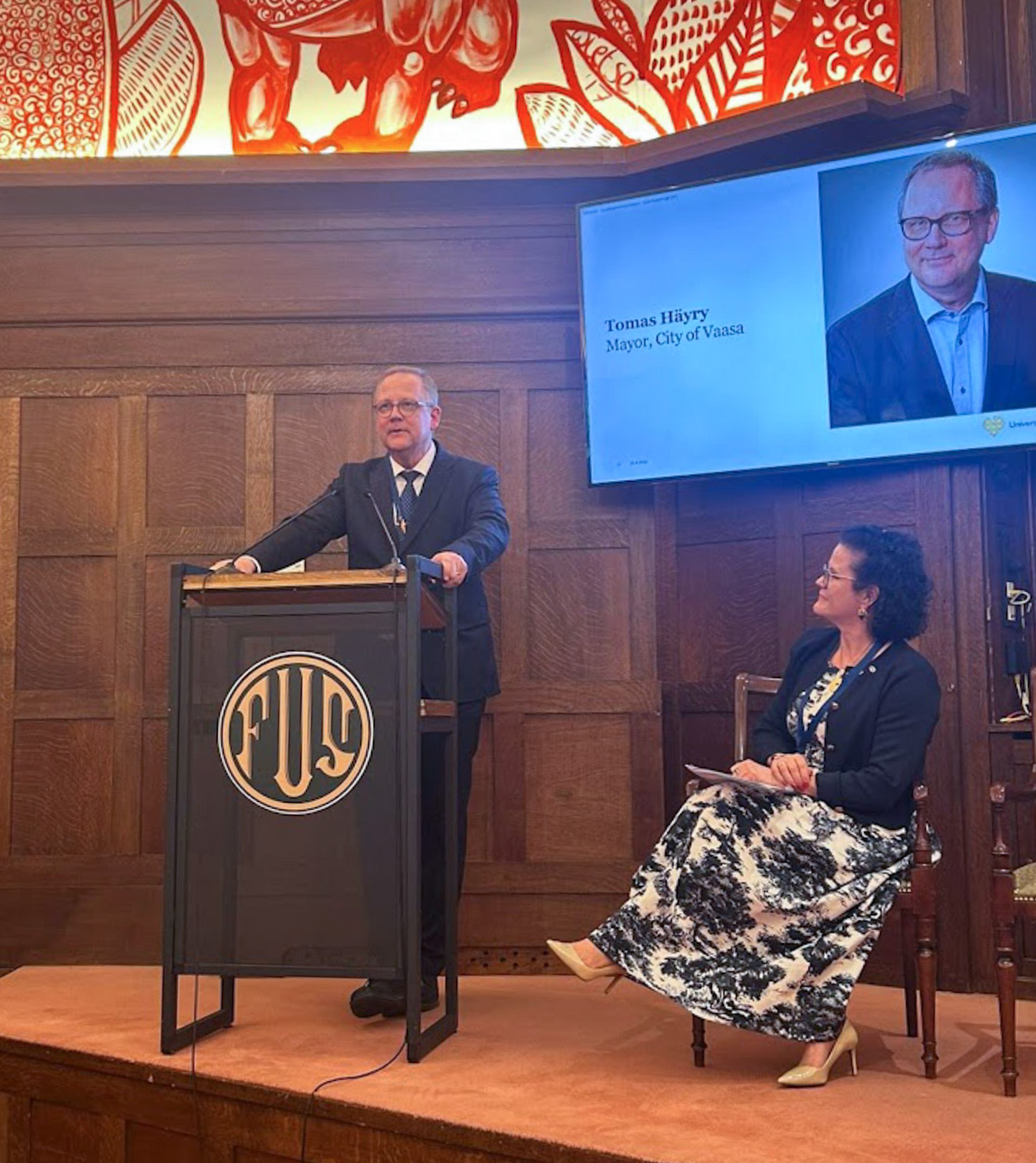
The city perspective was presented by Tomas Häyry, Mayor of Vaasa, who emphasised that the Brussels office is not only about the University itself but also about the wider Vaasa region. He described Vaasa as one of the world’s most significant energy technology clusters, with turnover rising to well over six billion euros. Companies in the region are investing heavily in research, development and future production capacity.
According to Häyry, what makes the region particularly notable is that this industrial dynamism has developed in a relatively small city that has built a dense and effective innovation ecosystem. The key is co-creation: universities, companies and public authorities do not operate in separate silos but come together around the same table. This has helped align local development with global trends, especially in clean energy and industrial transformation. In this sense, the Brussels office is a natural extension of the ecosystem Vaasa has already built.
Energy transition, resilience and digitalisation as one agenda
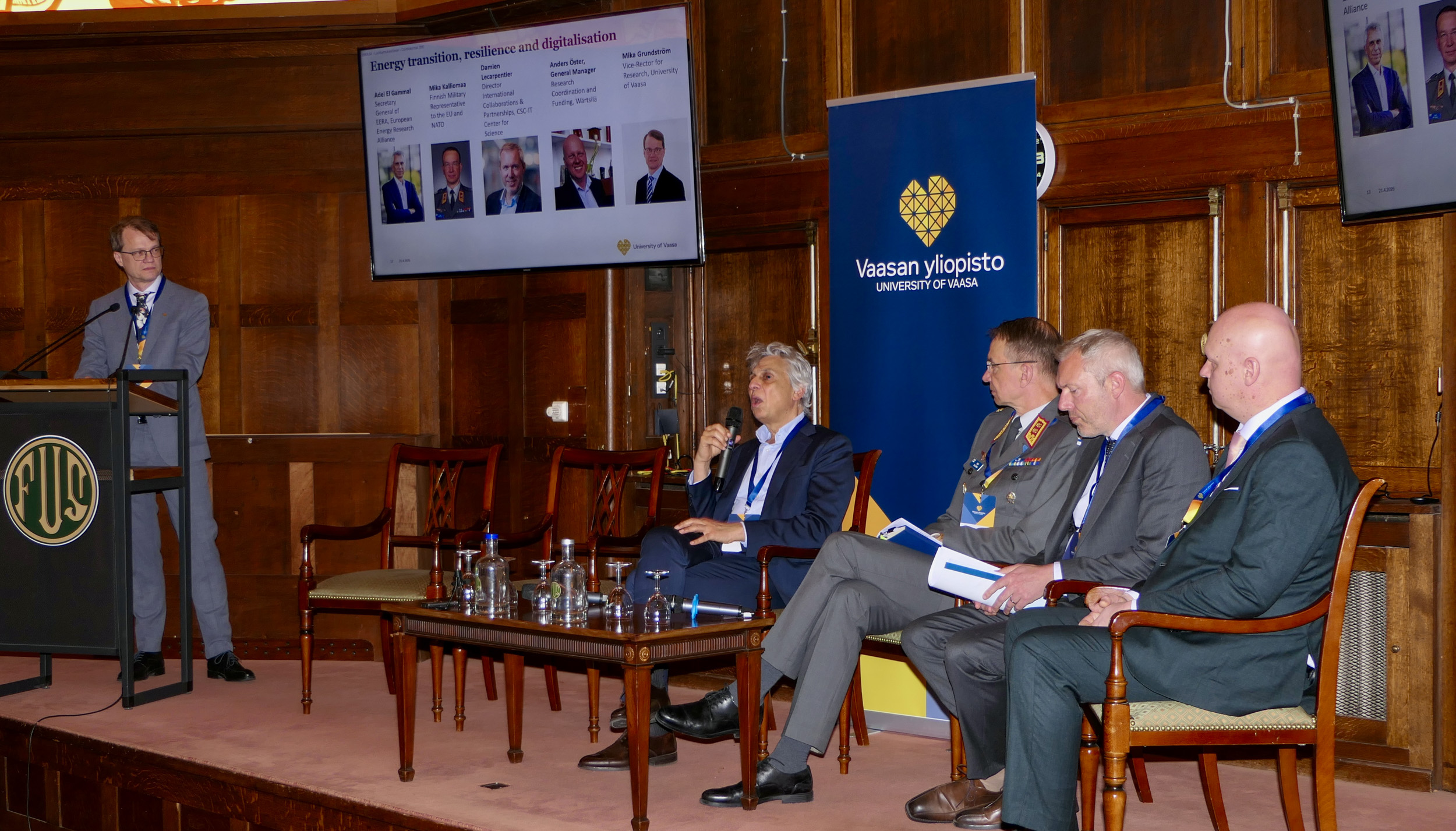
The first panel explored the core themes of the University’s strategy. A common conclusion emerged: Europe can no longer afford fragmented thinking. Energy, security, digital infrastructure and industrial competitiveness are increasingly part of the same strategic picture.
Adel El Gammal, Secretary General of the European Energy Research Alliance (EERA), argued that Europe still suffers from excessive fragmentation, with research agendas often driven by national priorities rather than shared European needs.
The security dimension was addressed by Mika Kalliomaa, Finnish Military Representative to the EU and NATO, who described resilience as a whole-of-society issue. Civil preparedness, economic security, defence, infrastructure protection and social resilience are interconnected rather than separate domains.
The digital perspective was brought by Damien Lecarpentier, Director of International Collaborations and Partnerships at CSC – IT Center for Science. He emphasised that high-performance computing, artificial intelligence and data management are becoming central to both research excellence and strategic capacity.
Anders Öster, General Manager for Research Coordination and Funding at Wärtsilä, stressed the importance of long-term research and development. Short-term product development is not sufficient in sectors undergoing structural change.
Image
What EU institutions are looking for
The second panel turned to European policy. Markku Markkula, Vice-President of the European Committee of the Regions, stressed that while Brussels sets priorities and allocates funding, solutions are developed on the ground.
Hugues Parmentier, Head of Unit at DG DEFIS, highlighted the growing importance of space, defence and resilience also for regions and universities with industrial and technological capabilities.
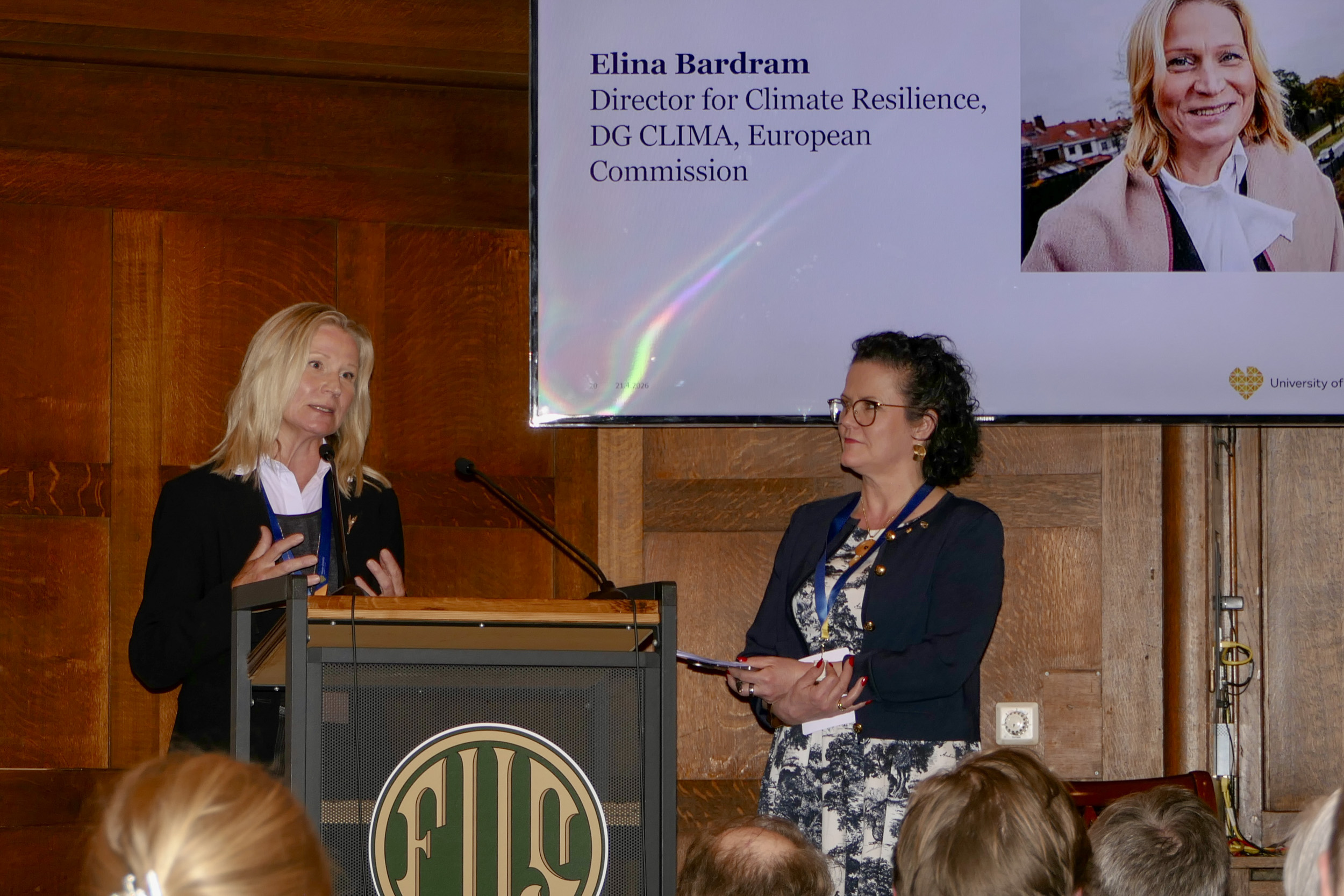
Béatrice Coda, Head of Unit for Clean Energy Transition at DG RTD, noted that the transition is no longer only about reducing emissions. It is also about resilience, industrial strategy and technological sovereignty. She highlighted Vaasa as an example of an environment where research, industry and practical application are closely connected.
– Vaasa is an Energy Champion; the ecosystem in Vaasa is very exceptional. Fostering knowledge valorisation is very high on the agenda of the University of Vaasa, driving excellence in the energy sector in Europe. I challenge you to take the opportunity now here in Brussels to also expand across the sectors, said Coda.
Image
Ann-Sofie Rönnlund from the cabinet of Commissioner Ekaterina Zaharieva emphasised the importance of startups and the commercialisation of research, noting that much publicly funded research in Europe remains underutilised.
Networks matter in Brussels
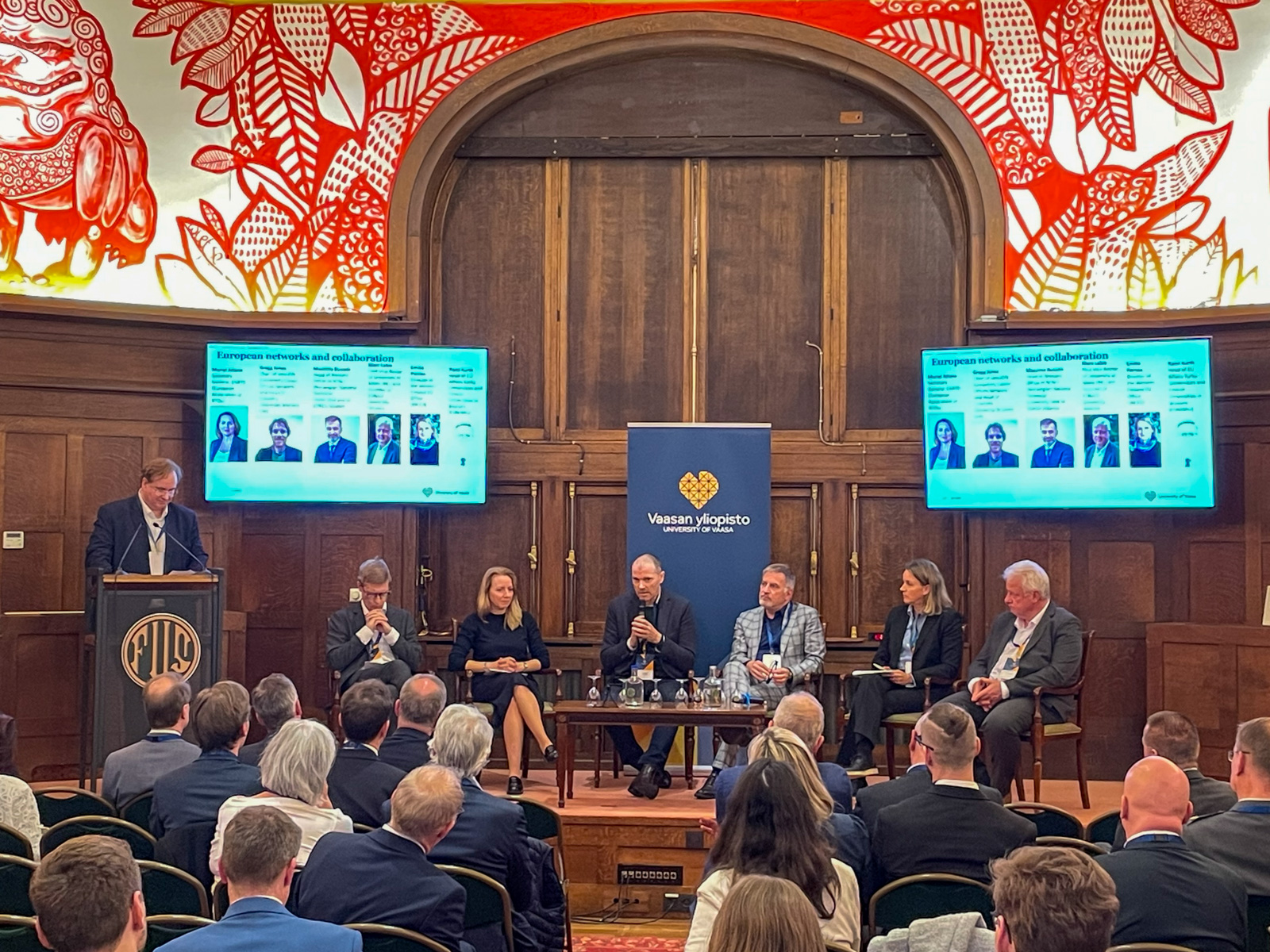
The third panel focused on the practical side of working in Brussels. Muriel Attané, Secretary General of EARTO, stressed the importance of cross-sector collaboration in future EU funding.
Gregg Jones, Chair of UniLiON, described European networks as essential structures for maintaining connections and sharing knowledge.
Massimo Busuoli, Head of NTNU’s Brussels Office, warned against over-simplification in EU reforms if it weakens collaboration. Marc Labie, First Vice-Rector of the University of Mons, noted that meaningful cooperation often begins with concrete joint projects.
Emilia Pernaa, Director of the West Finland European Office, emphasised that smaller actors must think bigger: partnerships and impact are key.
Image
Closing reflections
In her closing remarks, Rector Martikainen brought together the key messages of the day. The Brussels office is a platform for action: to build partnerships, participate in ambitious consortia and connect research with European priorities.
Europe faces simultaneous challenges, from geopolitical instability and energy security to industrial competition and technological disruption. Short-term responses will only succeed if they are linked to long-term goals.
The University of Vaasa brings strong assets to Brussels: a proven innovation ecosystem, close ties with industry and recognised expertise in energy and business. The next step is to turn this presence into influence, partnerships and new forms of collaboration.
If the event highlighted one shared conclusion, it was this: Europe does not lack talent or ideas, but often lacks sufficient connection between them. The University of Vaasa’s European Office in Brussels office aims to help bridge that gap.
Tietolaatikko
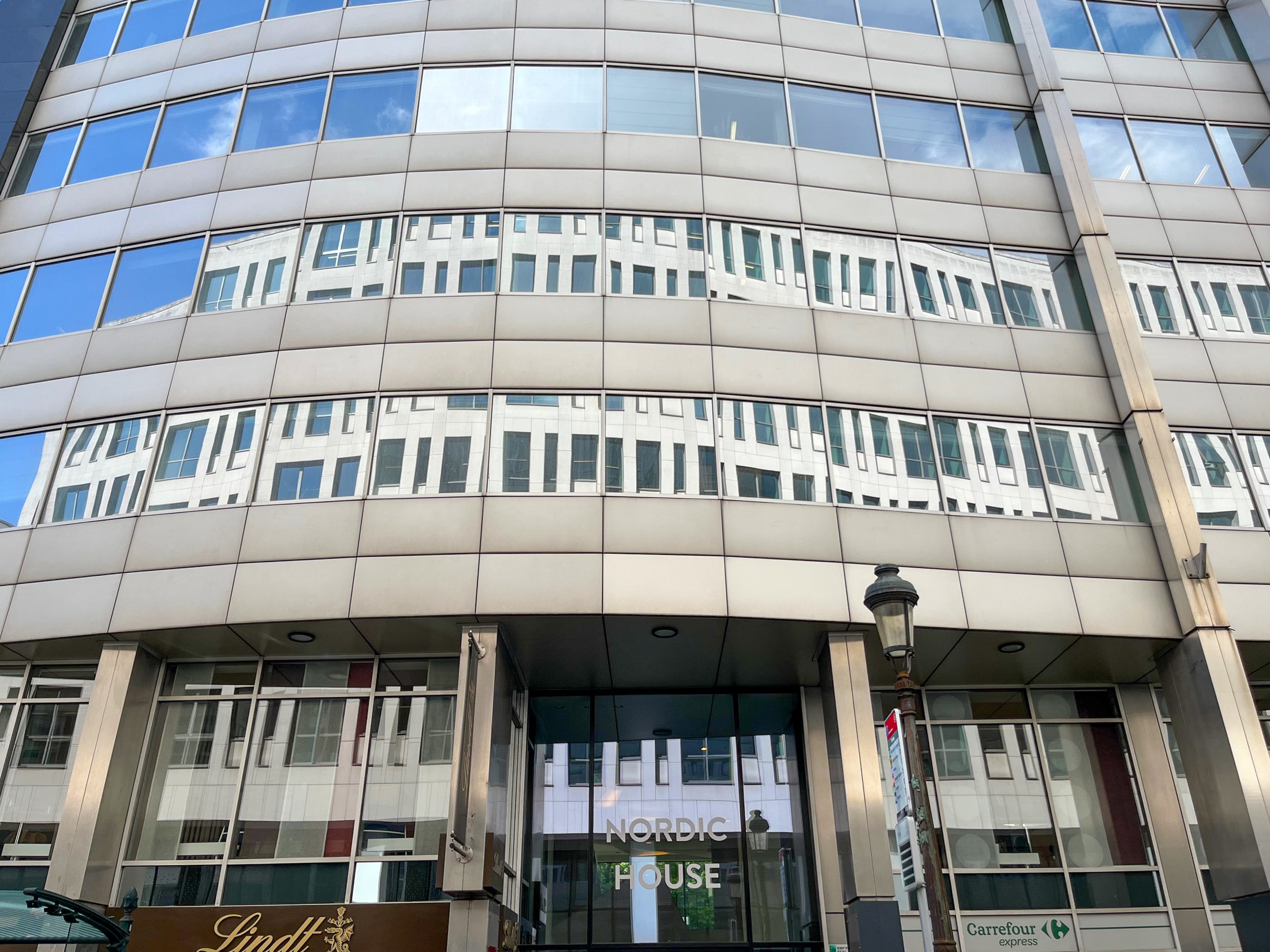
Read more about the University of Vaasa European Office in Brussels
Image
Text: Mika Horelli, photos: Mika Horelli, Panu Kalmi ja Malin Wikstedt