University of Vaasa Science Communication Award to Professor Marko Kohtamäki
Image
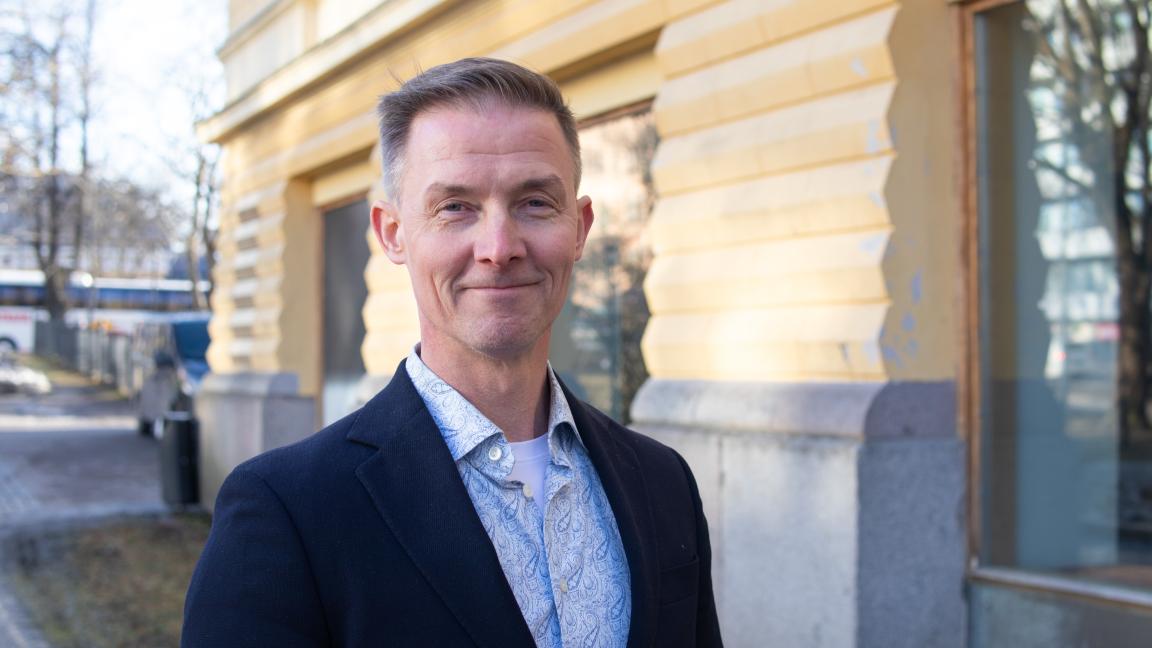
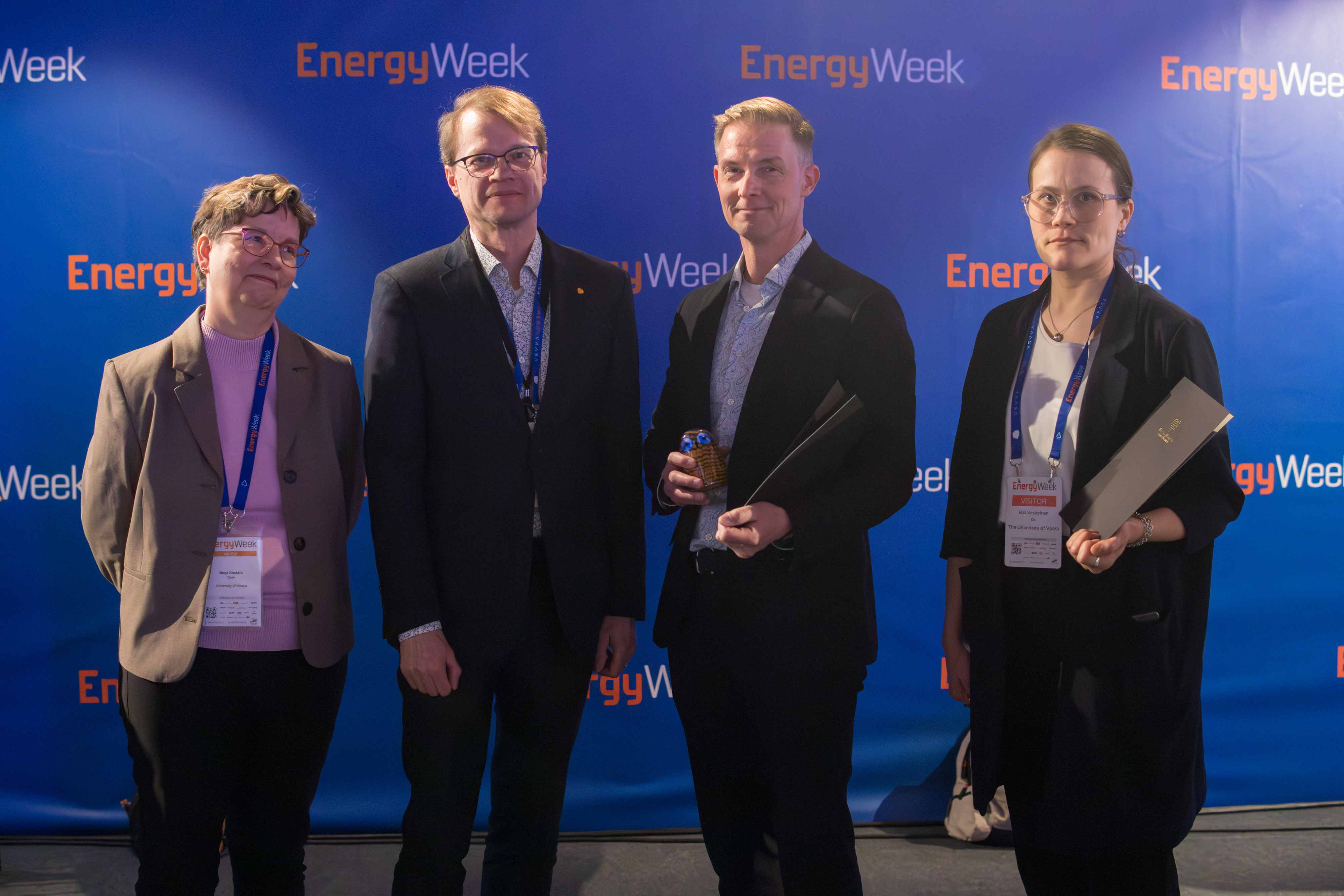
The University of Vaasa has granted the University of Vaasa Science Communication Award to Professor of Strategy Marko Kohtamäki. The award recognises outstanding efforts in popularising science and contributing to societal discussion. In addition, the University of Vaasa granted two honorary mentions for outstanding science communication. The honorary mentions were awarded to Postdoctoral Researcher in Marketing Essi Vesterinen and Professor of Telecommunications Engineering Mohammed Elmusrati.
The award and honorary mentions were presented on Wednesday evening at the Research Exhibition of Energy organised by the University of Vaasa. The exhibition is part of the Vaasa EnergyWeek programme.
This year, the jury placed particular emphasis on science communication on social media and active dialogue with different audiences. Professor Marko Kohtamäki is one of the University’s most followed researchers on LinkedIn. He actively communicates on social media, sharing insights and research findings on topics such as strategic management, servitisation, and business renewal.
In addition, Kohtamäki is a frequent speaker at webinars, seminars and discussions, a sought-after guest on business podcasts and blogs, and a respected expert in the media. According to the jury, his work demonstrates how research-based knowledge can enrich societal debate and support decision-making in companies and across society.
– Without impact, research is pointless. Research must be useful, and to be useful, it must have an impact within the scientific community and in society.
Kohtamäki emphasises that clarity and applicability are essential in science communication.
– What matters is translating research findings into practice and into a language and form of communication that is actually used in companies.
According to Kohtamäki, research should be communicated through the real-world challenges faced by companies and organisations. For example, why do even well-designed strategies fail, and why is strategy implementation so often unsuccessful?
– Building shared strategic understanding is at the core. Too often, urgency comes at the expense of shared understanding – and then people wonder why employees are unable to act in line with the strategy. It is this shared understanding that creates the feeling that “we are in this together”. When people have that sense, decisions are implemented much more effectively, which is reflected in competitiveness, profitability and growth.
Kohtamäki notes that he has received particularly positive feedback when engaging in broad and open discussions on competitiveness, business success and leadership development.
– The typical image of a professor might be someone narrow and introverted. I might be somewhat the opposite – broadly interested in business success, expertise and societal policy, and quite an extroverted professor, Kohtamäki reflects.
Image
Essi Vesterinen’s research on clothing consumption attracts wide interest
Postdoctoral Researcher in Marketing Essi Vesterinen received an honorary mention for outstanding science communication. She completed her doctorate at the University of Vaasa last autumn. Her research shows that appealing to personal well-being may be more effective than environmental concerns in reducing clothing consumption. It also indicates that extending the lifespan of clothing is associated with improved well-being and a more positive body image.
Image
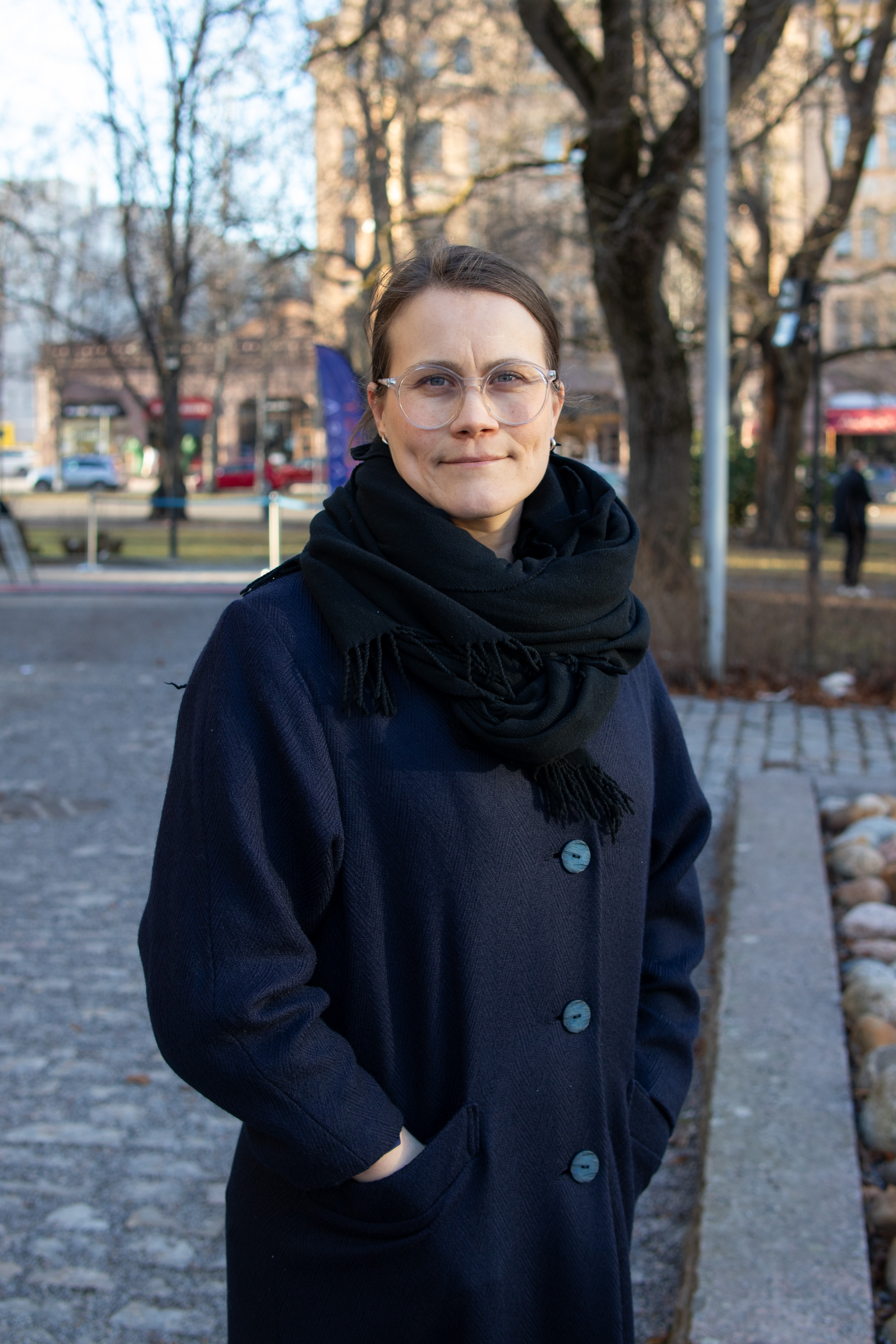
Vesterinen’s doctoral research has attracted wide attention in both Finnish and international media. She has also actively communicated her research on podcasts and blogs.
– Consumption as a research topic is interesting because it concerns all of us. I would like to believe that my research has also attracted attention because it offers a somewhat new perspective on overconsumption and sustainable consumption compared to earlier sustainability discussions, says Vesterinen.
What advice would she give to doctoral researchers and early-career scholars who are considering whether to share their research publicly?
– Even if it feels like your research might not interest anyone, it is worth remembering that researchers easily fall into what can be called an “illusion of obviousness”. When you have worked on your topic for a long time, you no longer see what is general knowledge and what is specific to your own expertise. As a result, many things that feel obvious to you are, from someone else’s perspective, entirely new and often also interesting knowledge.
Mohammed Elmusrati: AI brings new opportunities for science communication but will not replace researchers
Professor of Telecommunications Engineering Mohammed Elmusrati received an honorary mention for his long-term and active science communication on social media. He has been sharing his research and teaching online for several years, previously on X (Twitter) and increasingly on LinkedIn.
Elmusrati’s research and teaching focus on applications of machine learning and artificial intelligence, as well as game theory, wireless networks, biotechnology, wireless automation and digitalisation. In his posts, he shares research findings, new publications and books, as well as insights into the everyday life of a professor, from lectures to international conferences. He also highlights the work of his doctoral researchers and research group.
Image
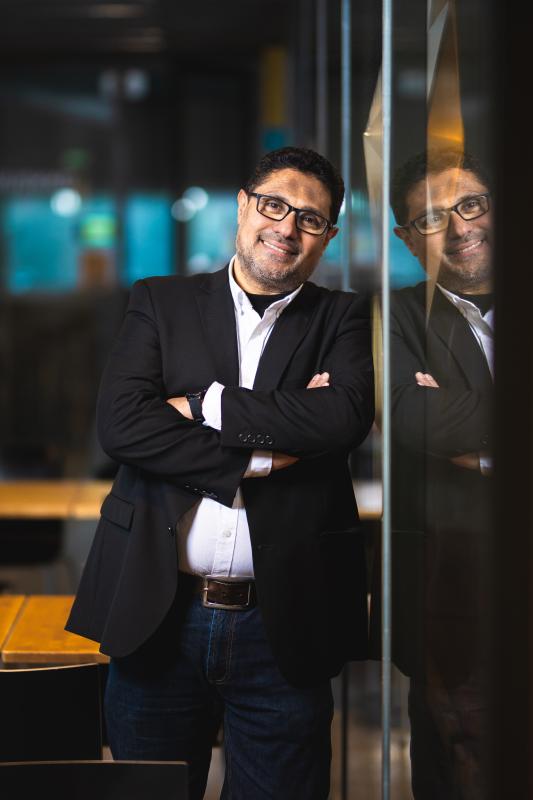
– I would strongly encourage my colleagues to view communication on social media not as an additional burden, but rather as a natural extension of our academic work, Elmusrati says.
– I believe knowledge should extend beyond the boundaries of the university campus. Social media creates an open scientific space where I can share my experiences with a wider audience, while also learning immensely from the work others share online. It also provides a valuable forum to discuss the realities of the scientific process itself. Participating in these broader conversations helps foster critical dialogue and demystifies the academic world for others. At the same time, it is a powerful way to promote the academic vibrancy of the University of Vaasa.
Elmusrati also sees that artificial intelligence opens new possibilities for science communication.
– In science communication, AI’s ability to simplify complex topics and summarise lengthy texts is a game-changer. For example, I recently used Google’s NotebookLM AI tool to produce a short video presentation introducing the main idea of my latest book. The tool helped me translate complex concepts into an accessible five-minute format, and it received very positive feedback. Tools like this are expanding the reach of university research in ways we couldn't easily do before.
At the same time, he emphasises the importance of researchers as trusted voices.
– As an AI researcher, I also see the challenges. The rapid, AI-driven generation of information raises valid concerns about accuracy, credibility, and the potential spread of misinformation. Because of this, I believe AI will not replace scientists in communication; rather, our role will evolve. Scientists will become even more important as the “trusted voices” who verify information, guide public understanding, and ensure that AI-assisted science communication remains responsible and reliable.
Research Exhibition of Energy
Image
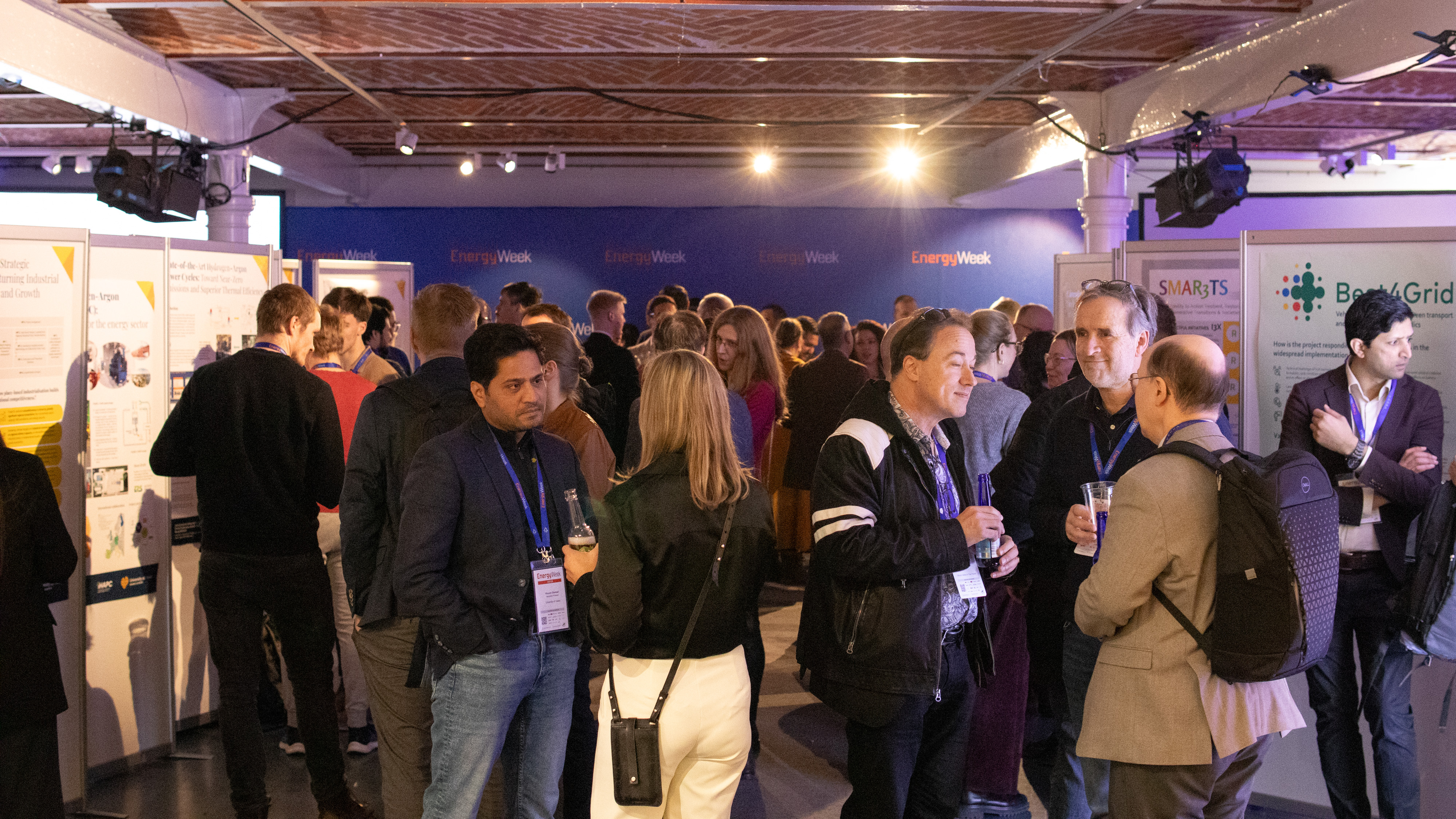
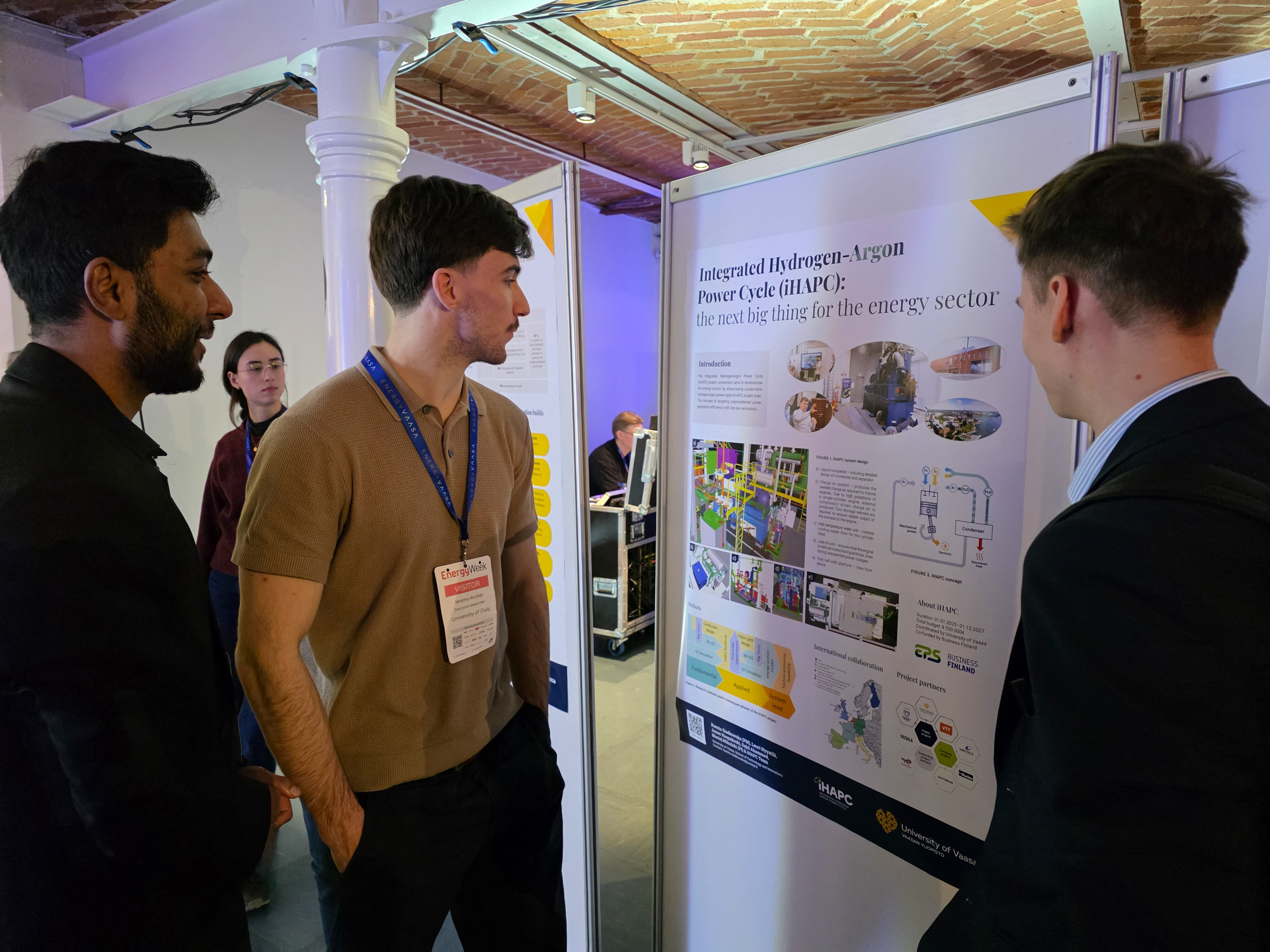
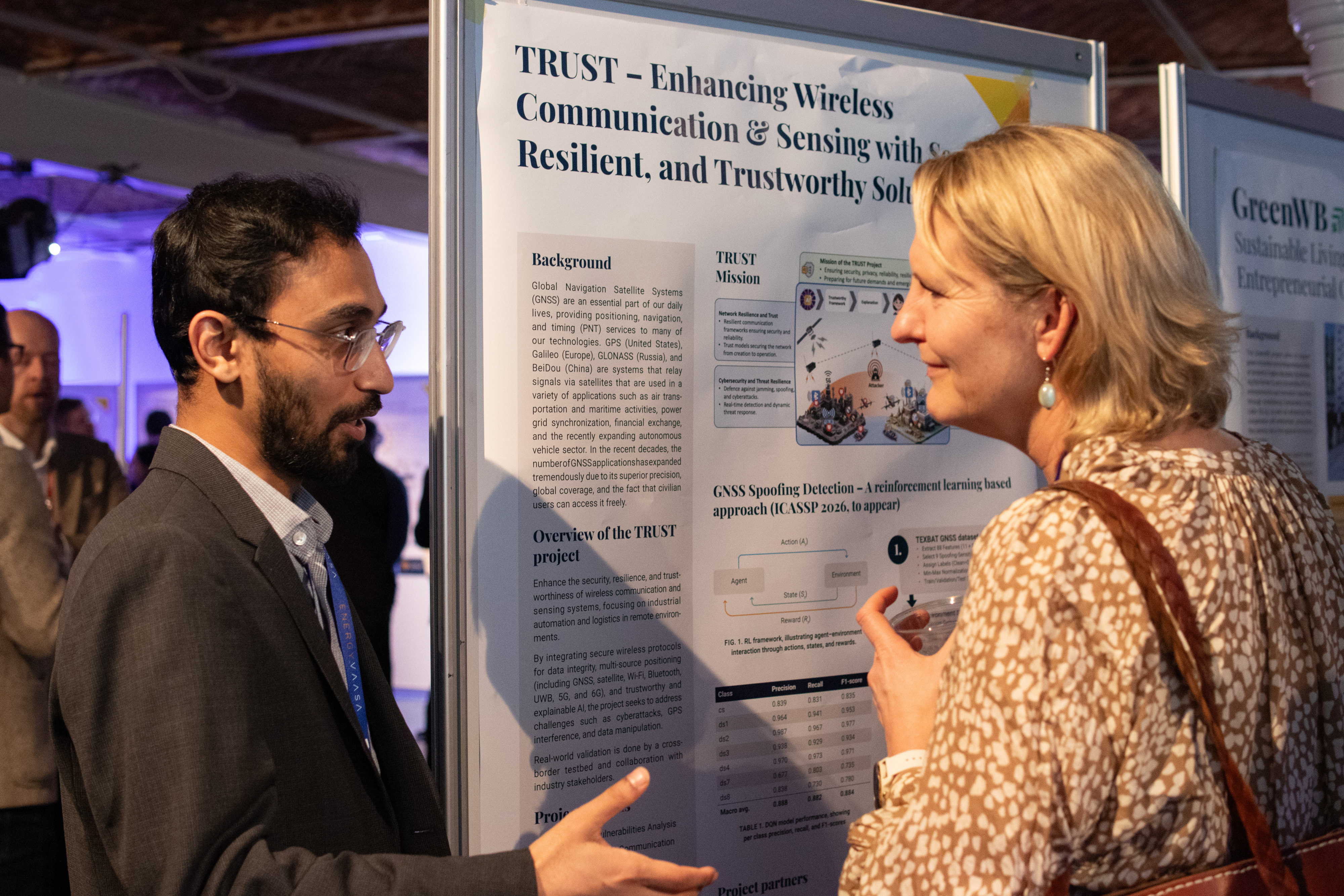
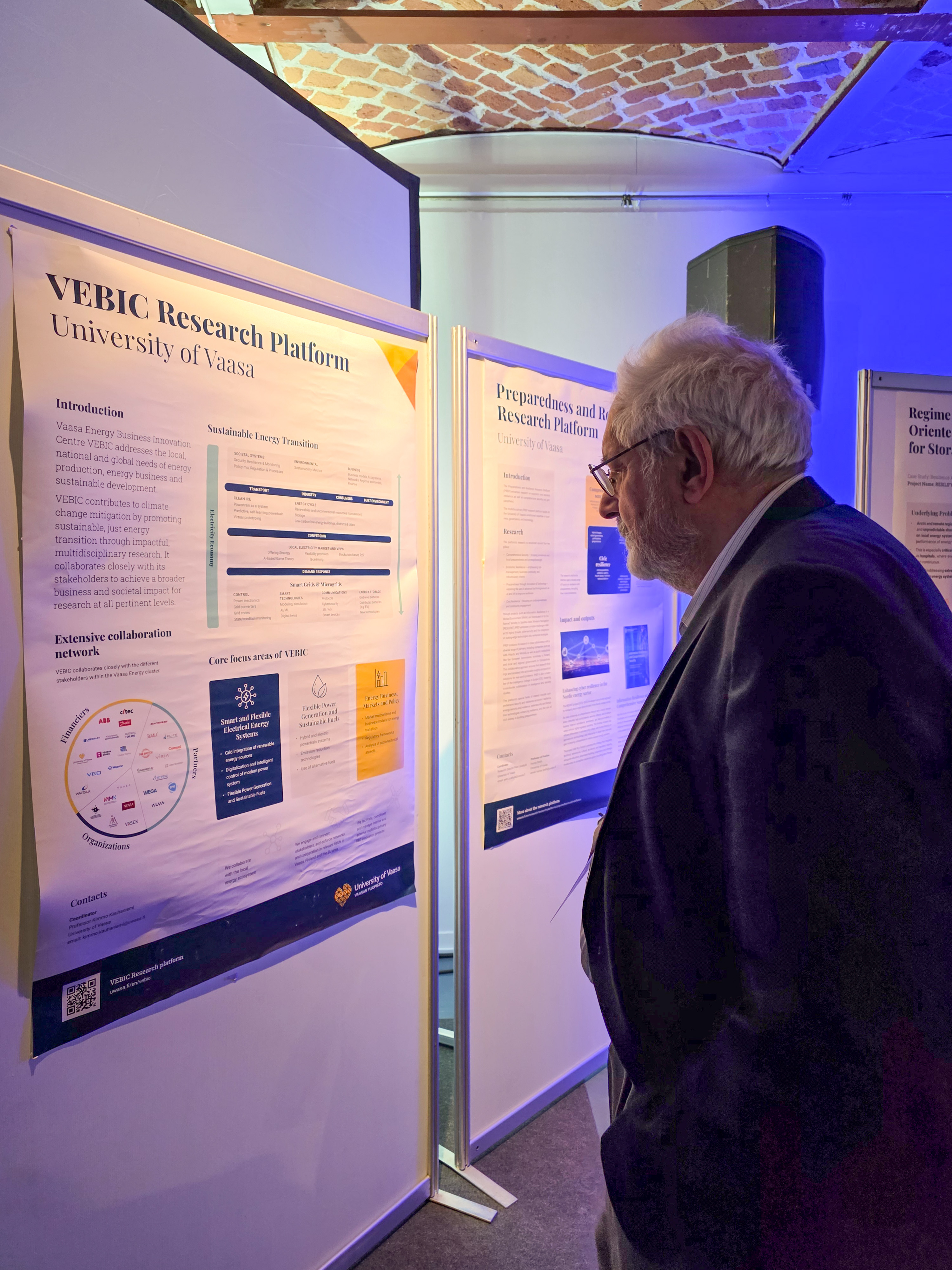
The Research Exhibition of Energy attracted a large audience to Vaasa Art Hall, where visitors explored the wide range of research conducted at the University of Vaasa. Around 40 research posters were on display, offering insights into ongoing research and its results. In addition to the posters, the exhibition provided an excellent opportunity for attendees to engage directly with researchers, ask questions, and discuss their work.
The event was held as part of EnergyWeek and was organised by the University of Vaasa together with its four research platforms: VEBIC, Digital Economy, Resilience, and InnoLab.
Image
Image
Image