
Rector Minna Martikainen at the opening of the academic year: “High-level expertise is the most important foundation for Finland’s growth”
Image
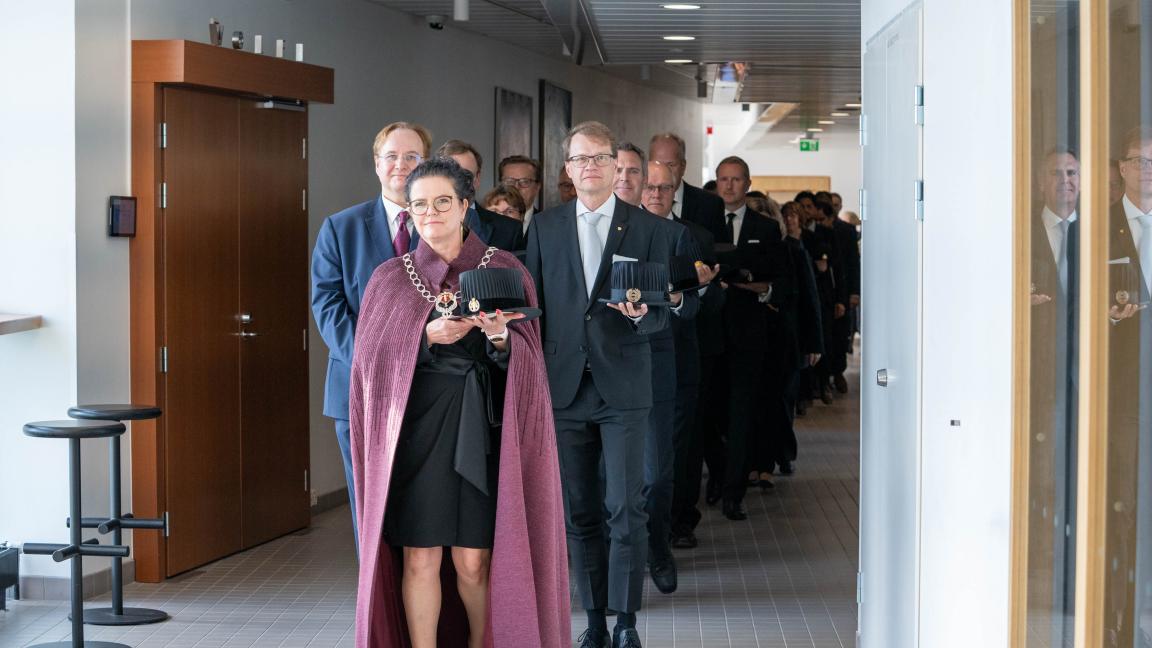
High-level expertise – in particular, the expertise developed through university education and research – is the most important foundation for Finland’s growth, Rector of the University of Vaasa Minna Martikainen emphasised at the University’s opening ceremony for the academic year on 7 September. According to Martikainen, high-quality university research and education produce new knowledge and innovations, improve productivity and strengthen the capacity of businesses and society to renew themselves.
– Only strong expertise can attract financial capital and investment to Finland. In the years ahead, Finland’s economic growth must not be constrained by a lack of the necessary high-level expertise, Martikainen said.
According to Martikainen, Finland now faces important choices. The public finances must be brought into balance, but this must not be done by weakening the most important foundation of the economy. Universities’ core funding and the university index must be safeguarded so that Finland can sustain the high-level expertise and capacity for renewal needed for sustainable growth.
Image
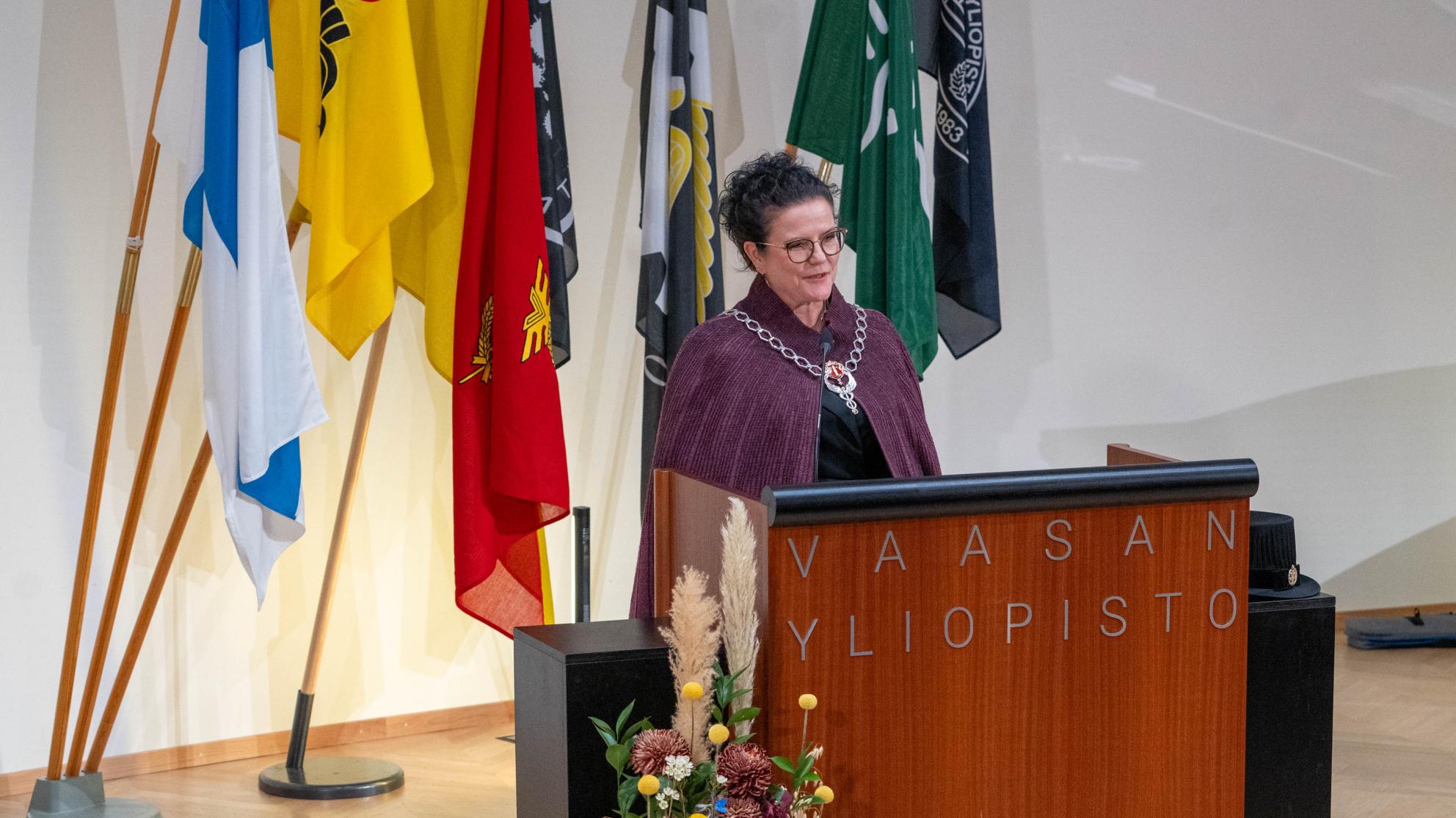
In the Government’s budget proposal for next year, funding for research and development will rise to €3.4 billion, an increase of €230 million on this year. The proposal also allocates €1 million to strengthening the University of Vaasa’s research infrastructure.
– All of us representing the university and research sector must demonstrate that this funding delivers tangible results and added value, as well as substantial growth in research, development and innovation, Martikainen said.
The national vision for higher education and research sets a target of raising the proportion of young adults with a higher education degree to 60 per cent by 2040.
– Education should be expanded particularly where there is genuine need, both in terms of the expertise required and geographically. High-level expertise can significantly strengthen Finland’s growth, energy transition, competitiveness and exports, Martikainen emphasised.
For the third consecutive year, the University of Vaasa is Finland’s largest provider of business education. The University has grown across all its fields of education in recent years while continuing to maintain the quality of its education. The AACSB and EQUIS accreditations awarded to the University in recent years provide international recognition of this quality. The EQUIS accreditation received this year places the University of Vaasa among the top three per cent of business schools worldwide. The employment rate of its graduates is also among the highest in Finland, and its research performs strongly in international comparisons.
In her speech, Martikainen emphasised the importance of efficiency, productivity and results. She said that public funding must deliver value and that funding should be allocated on the basis of results.
– At the University of Vaasa, we do not seek funding simply to maintain a large balance sheet. In terms of the relationship between inputs and outputs, we currently create more added value in both teaching and research than any other university in Finland, Martikainen said.
Rector´s speech at the opening ceremony
Image
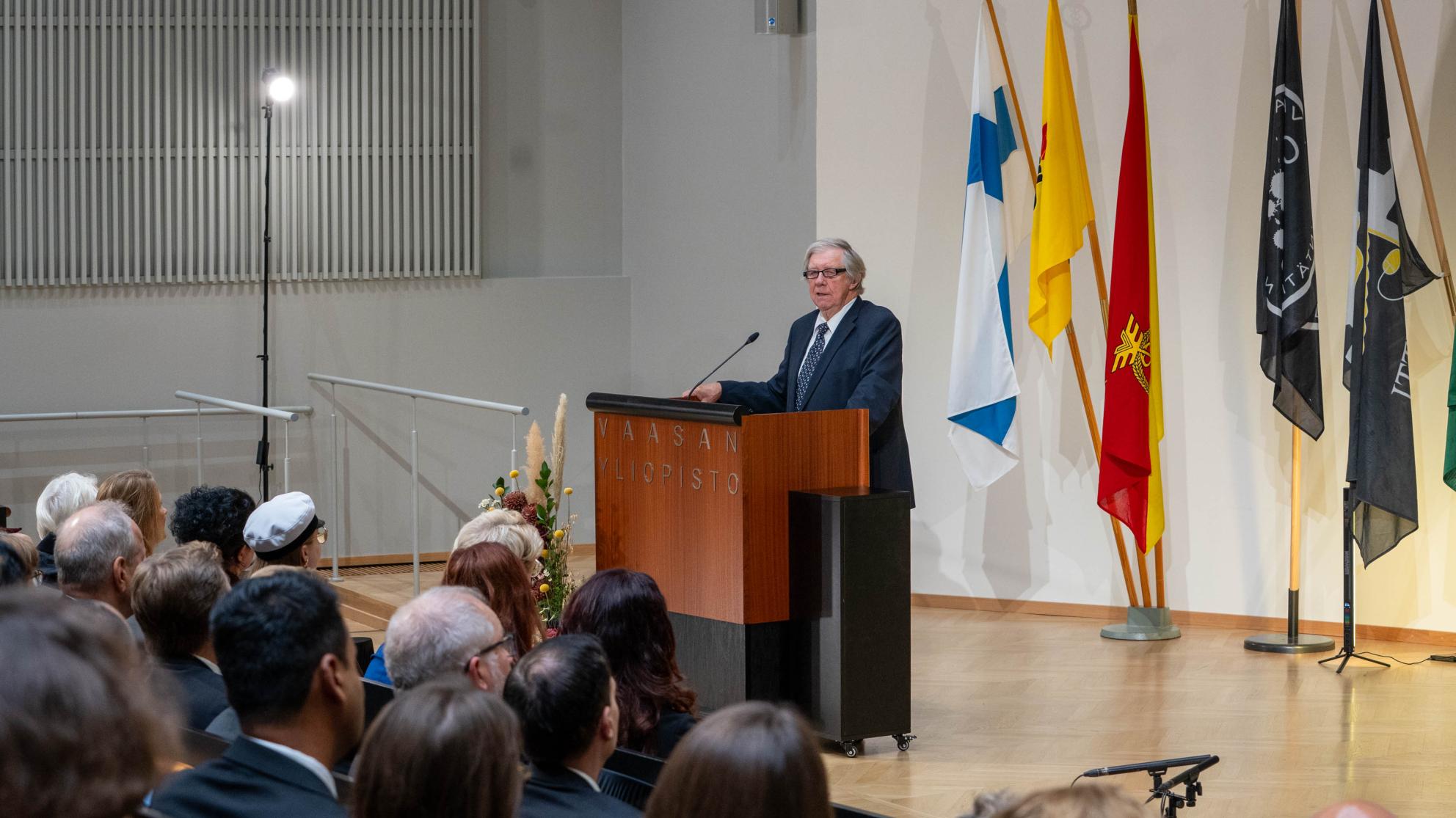
Counsellor of Commerce Eero Lehti drew on more than 60 years of experience as an employer, entrepreneur, and holder of positions of trust in his keynote address. He highlighted the importance of education and the opportunities Finnish society provides for people to advance through their own abilities and hard work.
– As technology and artificial intelligence continue to develop, human skills such as empathy and the ability to consider others become increasingly important. The fact that our society is able to provide university-level education widely to its citizens is a privilege.
Image
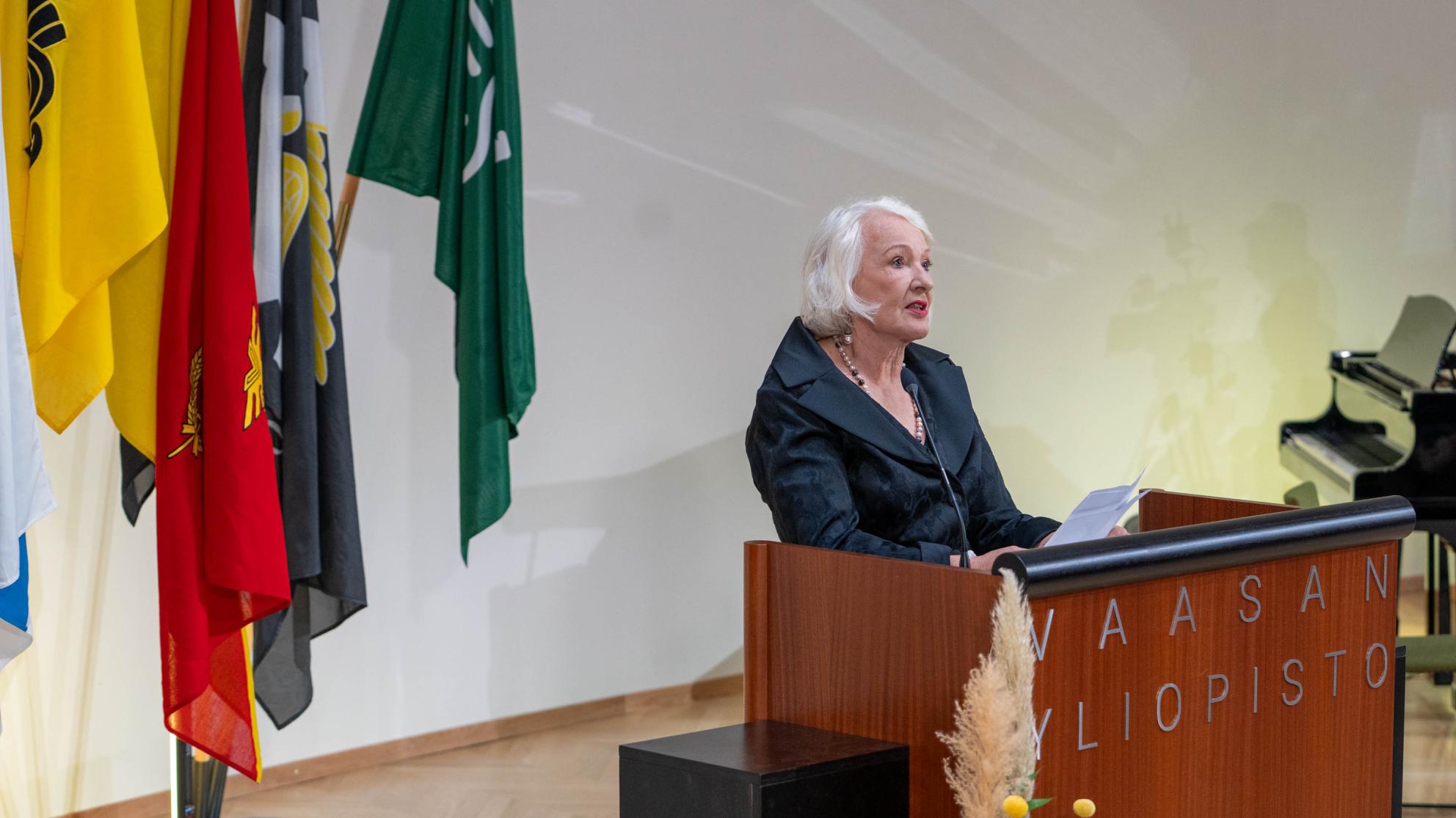
Minister Liisa Hyssälä reflected on her own academic journey and the importance of the university community in her keynote address. She encouraged students to make full use of the opportunities university offers for networking, learning, and building their future.
– The networks I built at university have supported me throughout my life. The university educated me to become a Member of Parliament and a minister, and provided the foundation for my later roles. I have been able to experience the very best of Finnish society: education, the social mobility it enables, and a good life.
Image
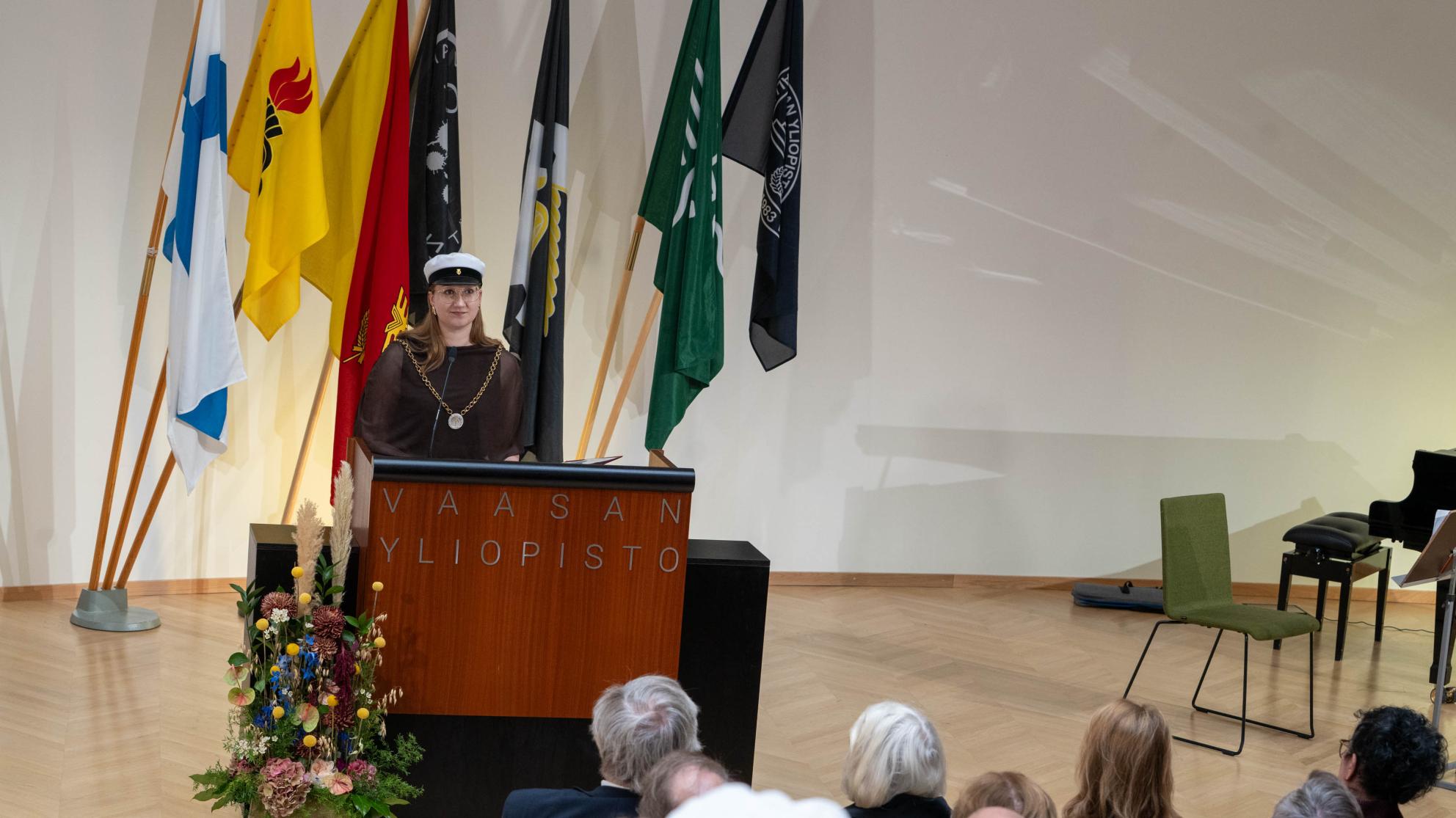
The Chair of the Board of the Student Union of the University of Vaasa, Heidi Elers, emphasised in her address the importance of students for the future of Finnish society.
– Although there are many of us, a student is not just a number or a product. We are the future of Finland.
Image
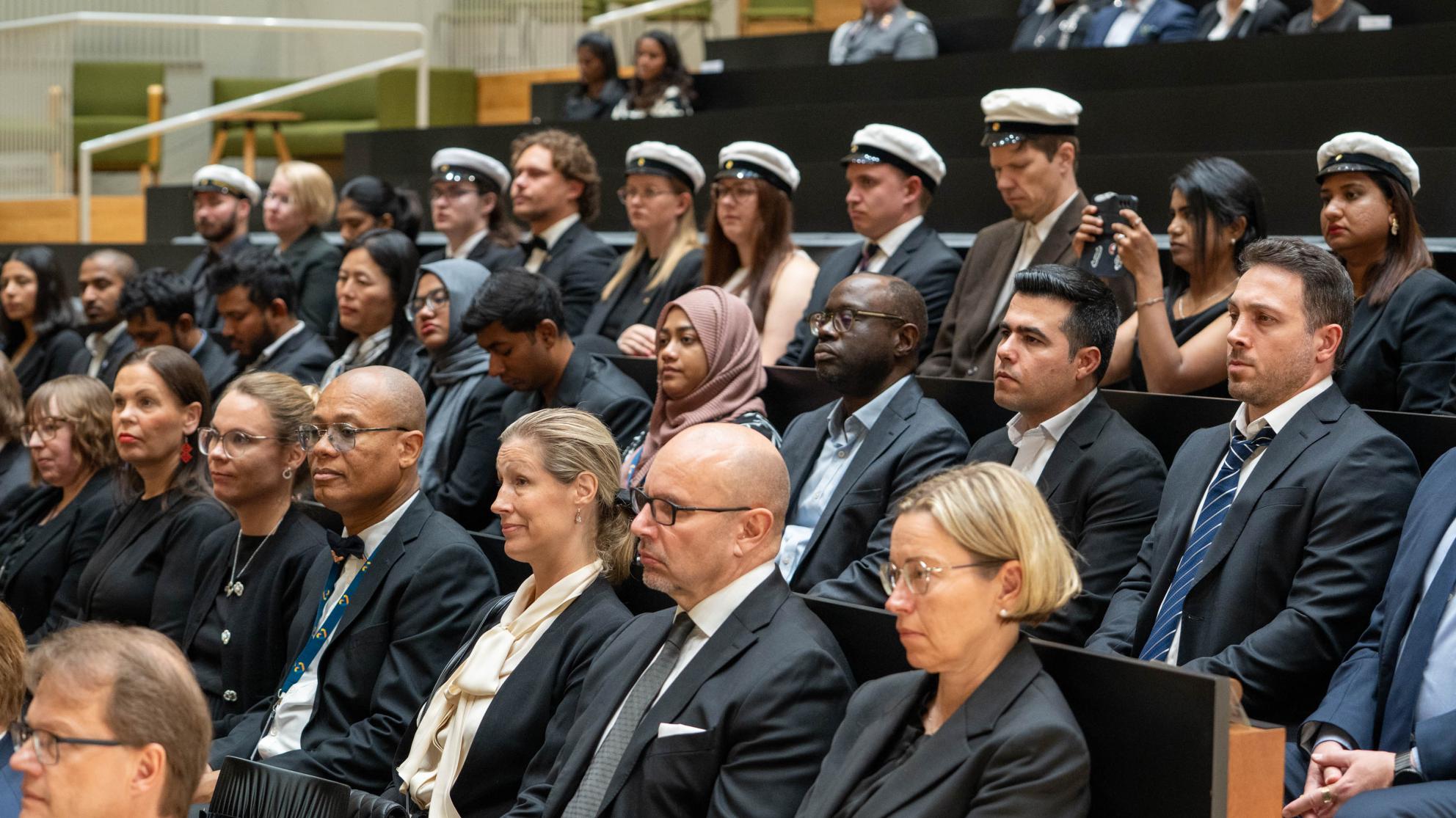
Alumna of the Year: Elina Bardram, Director for Climate Resilience and Information Management
Doctor of Economics Elina Bardram was awarded as the University of Vaasa’s Alumna of the Year. Bardram has built an exceptionally influential international career in climate policy and sustainable development. She earned her Master’s degree in Economics from the University of Vaasa in 1994, and currently serves as Director for Climate Resilience and Information Management at the European Commission in Brussels and has led the EU’s negotiating efforts in several major international climate negotiations, including those that resulted in the historic Paris Climate Agreement.
Image
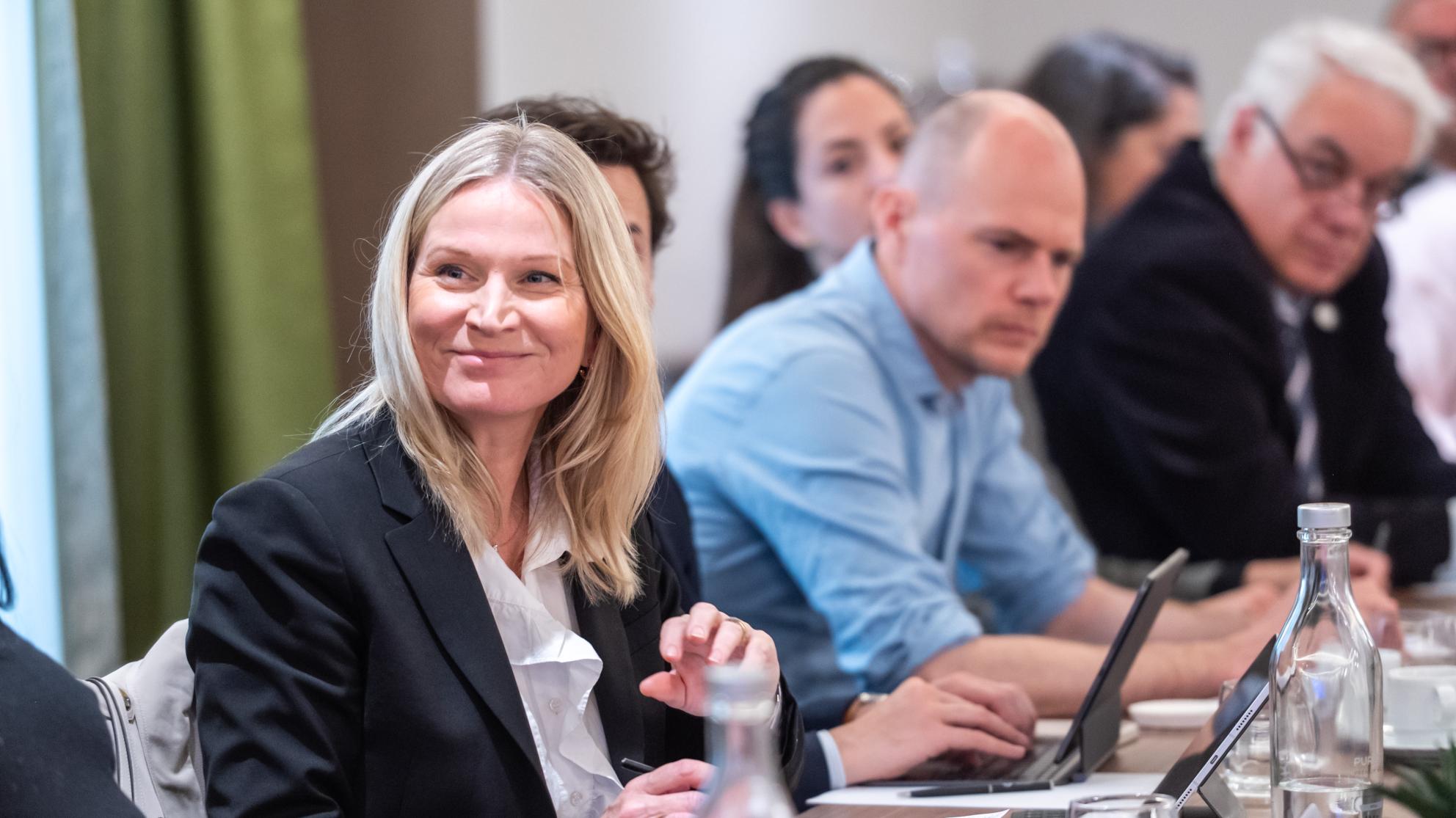
Bardram was honoured to receive the recognition. In her video message, she reflected on the opening of the University of Vaasa's Brussels office earlier this spring:
– It was wonderful to see how much the University has developed over the years, and how today its work is founded on a strong vision of internationalisation, accelerating the energy transition, renewing business, and understanding societal change.
Ostrobothnia Chamber of Commerce Award presented to Seyedehsahar Seyedbarhagh – sector coupling enhances energy system flexibility
The Ostrobothnia Chamber of Commerce has awarded University of Vaasa Project Researcher Seyedehsahar Seyedbarhagh a prize of EUR 5,000 for energy-related research. The award-winning review article examines sector coupling as a way to increase energy system flexibility. By integrating electricity, heating, gas and transport systems more closely, energy can be stored and used more flexibly as wind and solar power generation fluctuates.
Image
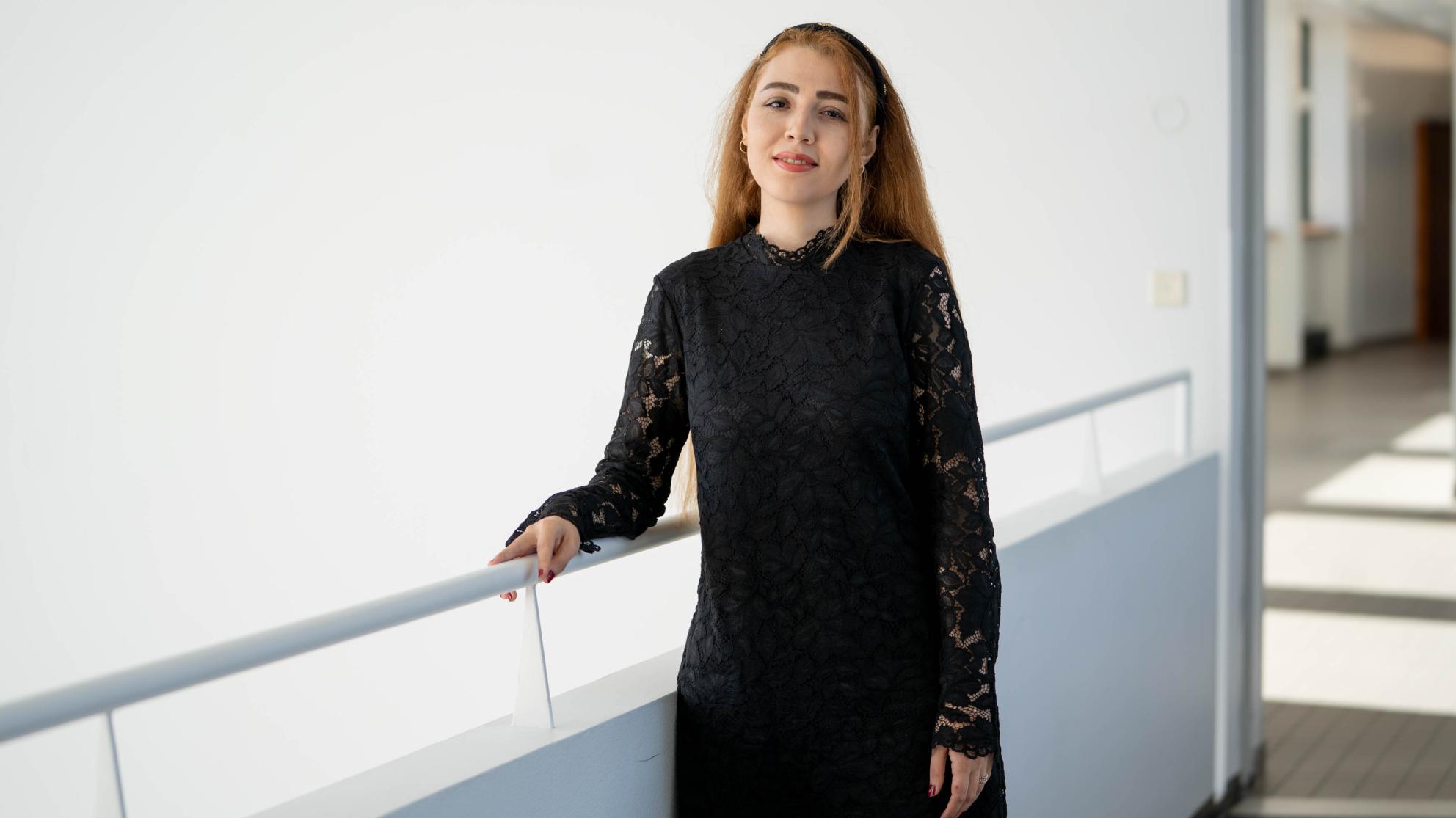
Seyedbarhagh sees particular promise in linking electricity and thermal energy systems.
– In Finland, where district heating systems are already well developed, there is considerable potential to use this existing infrastructure as part of a more flexible and integrated energy system, says Seyedbarhagh.