
The PEAK project shows how transforming regional energy systems begins with an integrated approach
Image
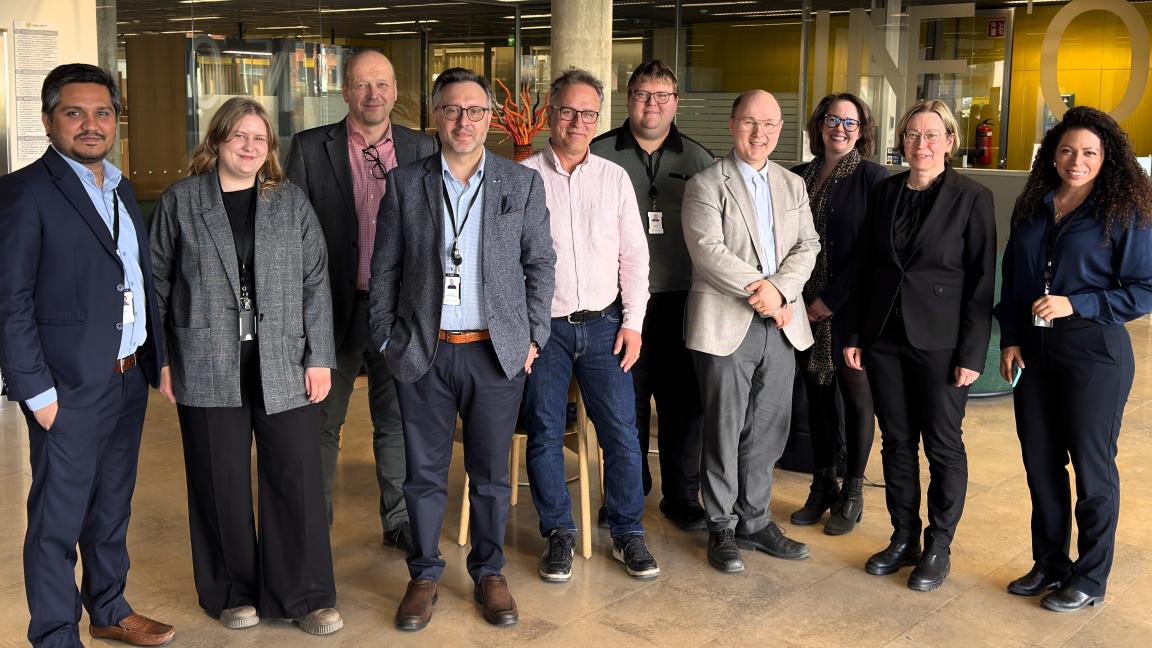


The PEAK project, coordinated by the University of Vaasa in collaboration with Aktion Österbotten, has concluded after two years of work focused on the transition towards a carbon‑neutral regional energy system in Ostrobothnia. The project combined technical analysis, stakeholder engagement and business development to produce region‑specific knowledge supporting future energy system development.
The work focused on the electricity distribution area of Esse Elektro‑Kraft, covering parts of Ostrobothnia in Pedersöre and neighbouring municipalities. The project examined the regional energy system from three complementary perspectives: technical, community‑based and business‑oriented.
– In the PEAK project, we focused on the network operation area of Esse Elektro‑Kraft in Ostrobothnia and neighbouring municipalities. By combining technical analysis with community perspectives and business model innovation, we were able to examine regional energy system transformation from several complementary angles, says Postdoctoral Researcher Giovanna Pinilla De La Cruz from University of Vaasa.
Flexibility as a key enabler of renewable energy integration
From a technical perspective, the project analysed the region’s renewable energy potential, electricity consumption patterns and the capacity of the existing electricity grid to integrate increasing amounts of renewable energy. This work was carried out through grid analyses, modelling and techno‑economic assessments, with particular focus on flexibility solutions such as demand response, energy storage and electric vehicle charging.
The results show that the region has significant potential to increase local renewable energy production, especially in rural areas. At the same time, flexibility solutions are essential for managing peak demand, balancing production and consumption, and maintaining grid reliability. When applied effectively, flexibility can reduce local grid congestion and improve security of supply, enabling renewable energy integration without immediate large‑scale grid investments.
Local actors and rural areas play a central role
From a community perspective, the project explored how local actors perceive the energy transition and what factors support or hinder its implementation. This work was based on interviews, workshops and participatory activities with residents, local businesses, communities and other regional stakeholders.
The results highlight strong interest in renewable energy and energy self‑sufficiency, particularly in rural areas, which are increasingly recognised as important drivers of future energy production and regional development. At the same time, the project shows that successful implementation depends on social acceptance, transparent communication and opportunities for participation.
To support local dialogue, the project developed a practical discussion tool and easy‑to‑understand information materials that help communities and decision‑makers engage with energy issues in their own local context.
New business models through collaboration and facilitation
From a business perspective, the project examined how new energy‑related services and cooperation models could support the regional energy transition. This work included workshops with companies and industrial actors, as well as analysis of regulatory frameworks and market conditions.
Rather than identifying a single solution, the project outlines phased and adaptable business models related to flexibility services, shared energy resources and community‑based systems. The results show that even in a highly regulated energy sector, there are opportunities for new value creation through inter-sectoral collaboration.
The project also highlights the relevance of facilitation in enabling innovation. Neutral actors, such as higher education institutions, can play a key role in connecting stakeholders, supporting dialogue and helping align technical, economic and societal perspectives.
Towards an integrated view of regional energy systems
A central outcome of the PEAK project is the integration of technical analyses, business models and community perspectives into a synthesis‑based understanding of regional energy system development. The project demonstrates that regions are not passive actors, but active players contributing to energy security, resilience and the green transition.
Resilient and carbon‑neutral energy systems require coordinated development of renewable energy production, electricity grids, flexibility solutions, viable business models and stakeholder engagement, starting from local initiatives and scaling up.
– The project aligns well overall with both the regional programme and the Ostrobothnia Just Transition Plan. The PEAK-project supports a sustainable energy system based on renewable sources as well as energy security and security of supply in the Ostrobothnian region, says Karl-Gustav Byskata, Regional Development Expert at the Regional Council of Ostrobothnia.
The results of the PEAK project provide a strong foundation for future pilot projects, investments and cooperation between energy companies, communities, authorities, and other regional actors.
Tietolaatikko
Project information
The project PEAK – Development of the regional energy system in Ostrobothnia – was carried out between May 2024 and April 2026. It was co‑funded by the European Union’s Just Transition Fund (JTF), Esse Elektro‑Kraft Ab, the University of Vaasa and Aktion Österbotten. The project was coordinated by the University of Vaasa’s research and innovation platform VEBIC and the project partner was Aktion Österbotten.