
Encounters spark insights and a sense of belonging to the work community
Image
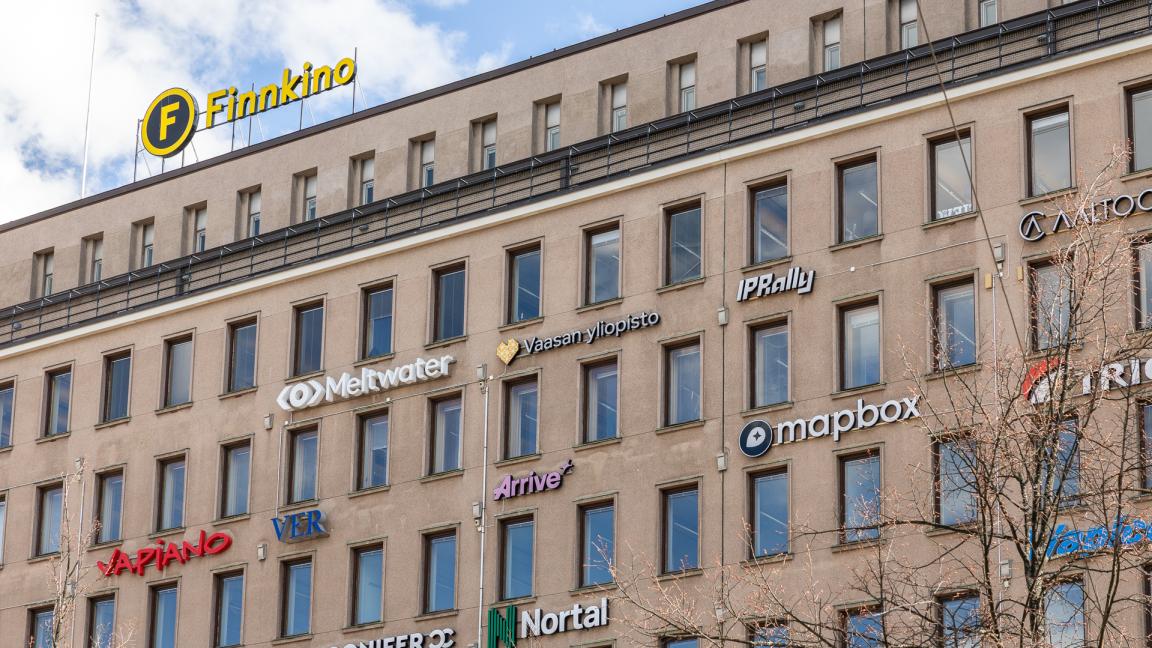
The University of Vaasa’s Helsinki campus serves as a meeting place where physical presence supports both studies and research. At the end of March, the university moved into new, larger premises in the heart of Helsinki. The Helsinki campus complements the Vaasa campus and provides a base for students, staff and partners.
– Face‑to‑face encounters continue to play an important role in building a sense of community, peer support and trust. The Helsinki campus has been designed as a flexible space for meeting and working, serving several different user groups. Our aim is to develop new ways for students and staff to connect – models that can also be utilised at the university’s other campuses, says Rector Minna Martikainen.
Image
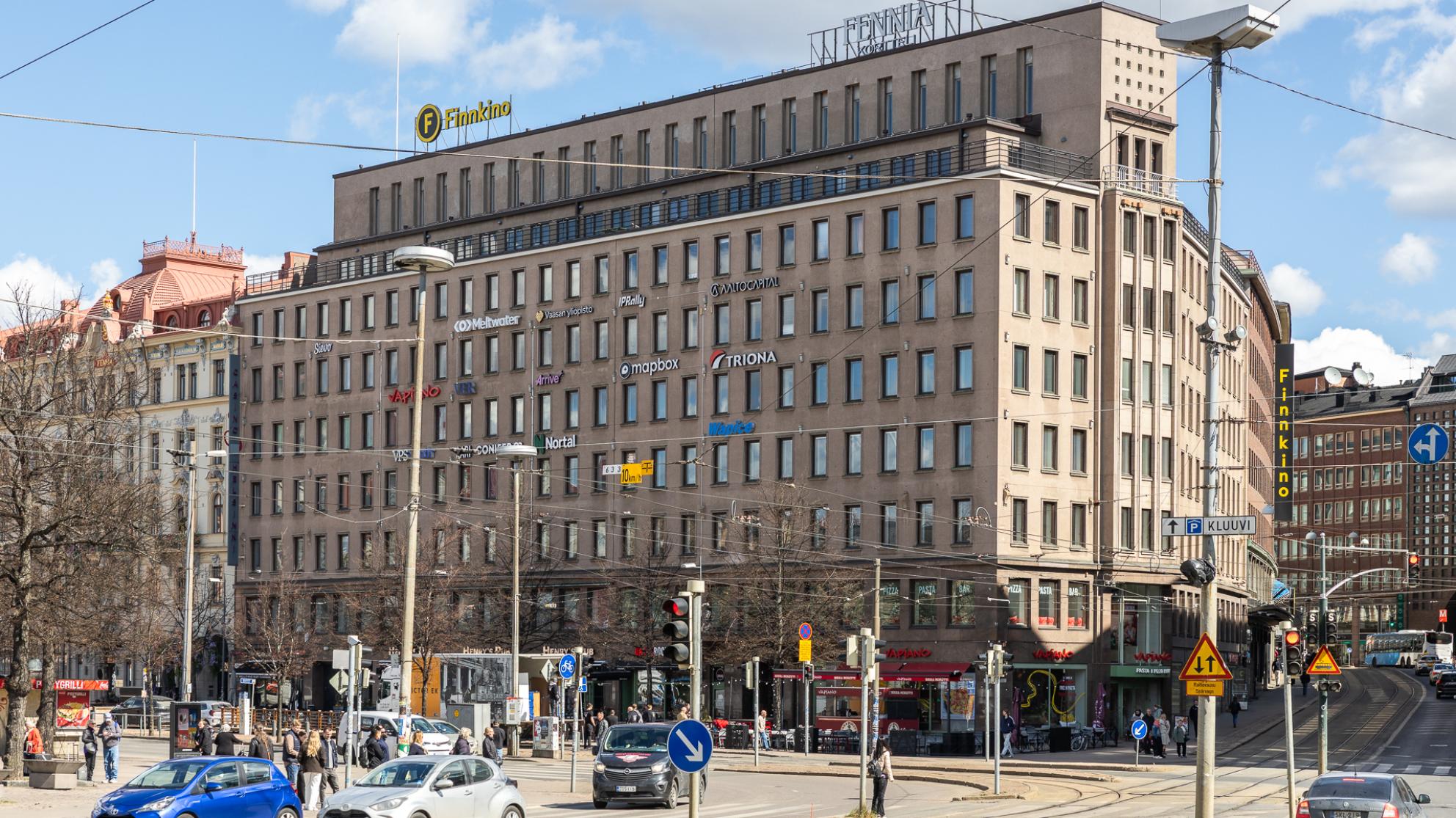
stakeholder engagement. Its central location enables closer dialogue with alumni, strategic partners, corporate collaborators, public‑sector actors, political decision‑makers, and other key stakeholders. For the university, it is essential to be visible and present where societal discussion takes place and where decisions are prepared.
– Many decisions affecting universities are made in Helsinki. It is therefore important for us to be visibly and effectively present where the foundations of these decisions are shaped every day. The Helsinki campus allows us to take part in discussions in a genuine way, build relationships, and highlight the expertise and perspectives of the University of Vaasa, Martikainen continues.
Thesis clinics bring students together
The Helsinki campus offers concrete support for degree students living in the capital region, particularly in the final stages of their studies. During the spring, the campus has hosted thesis clinics, and EXAM facilities have also been opened, enabling students to complete electronic exams flexibly.
Image
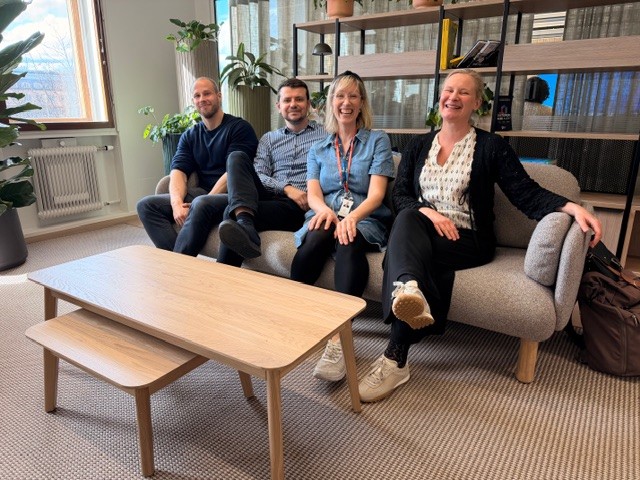
Students have gained a great deal from the face‑to‑face work at the thesis clinics, with the importance of peer support clearly standing out.
– For many students, a prolonged thesis process can lead to feelings of being left alone: work progresses at an individual pace, but discussions with others at a similar stage often remain limited. At thesis clinics, students can share experiences, support one another and realise that they are not alone with their challenges. Meeting in person and exchanging ideas is often surprisingly motivating and helps untangle the knots of the thesis process, says University Lecturer Heini Pensar, who has facilitated thesis clinic in Helsinki.
The working facilities at the campus have also sparked interest. In recent weeks, several students have taken the opportunity to work independently on their theses at the Helsinki campus. The work environment is perceived as inspiring and supportive of concentration – and it also strengthens the feeling of belonging to the academic community.
– One thesis writer described that they are able to produce, on average, three times more text here than at home in the same amount of time. At the same time, we have gained a valuable channel for receiving authentic feedback from students. Through informal discussions in the coffee area, we have gained insight – especially from students in the final stages of their studies – into how we can develop our activities in the right direction, notes Jari Jumpponen, Manager of the Helsinki campus.
– Our goal here, as in Vaasa, is that graduating students become active alumni who later turn to the University of Vaasa for collaboration, recruitment or lifelong‑learning needs – and who also recommend us within their own networks, he continues.
The importance of encounters is highlighted in research work
In addition to student services, the Helsinki campus also serves as a workspace for university staff and researchers. The larger premises provide improved conditions for activities such as preparing research projects, holding project meetings and developing collaboration.
Doctoral researcher Miia Toikka has conducted research interviews in Helsinki and has found that she gains more from the encounters when interviews are held in the University of Vaasa’s own facilities.
– I have interviewed civil servants from various ministries for my doctoral dissertation in administrative sciences, and most of them have preferred to meet at the University of Vaasa’s Helsinki premises rather than at their own workplaces. The central location, easy accessibility, and limited meeting facilities and visitor procedures in ministries make this a natural option.
Working in one’s own premises also helps create a calm and confidential atmosphere.
– I find it preferable to act as the host and influence the conditions of the interview situation. This is particularly important because the interviews address civil servants’ personal experiences in policy and legislative processes related to environmental sustainability goals. For some interviewees, it may be easier to speak openly outside their own workplace.
Community across disciplinary boundaries
Everyday life at the Helsinki campus is characterised by multidisciplinarity: experts from different fields work in the same space. Conversations with colleagues offer peer support and new perspectives on one’s work, even when research topics and disciplinary backgrounds differ. Above all, this is about presence – coming together, sharing experiences and building community through everyday encounters, regardless of campus or location.
Image
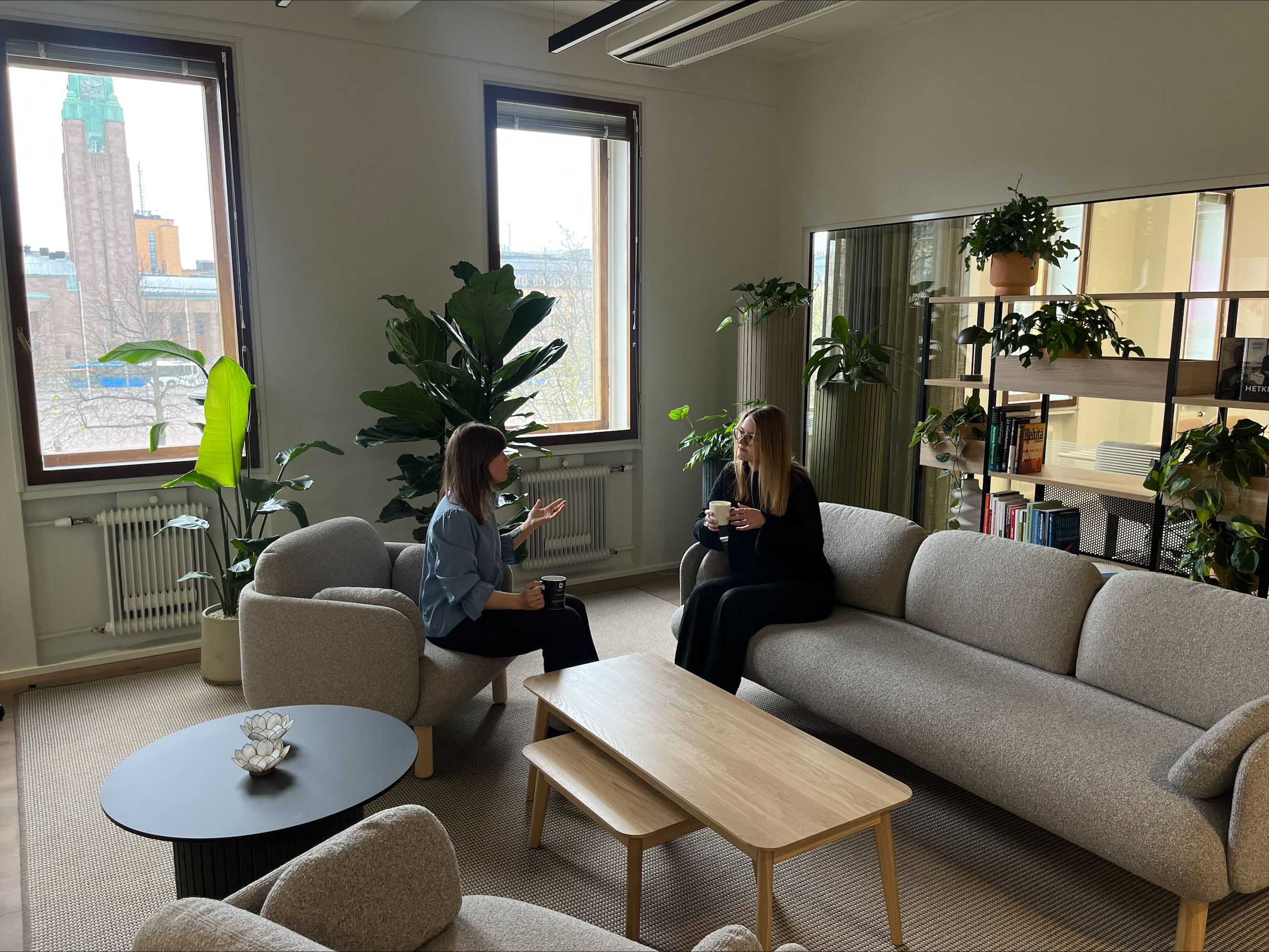
Doctoral researcher in industrial management Ella Tolonen works on her dissertation at Mikonkatu almost daily and considers the Helsinki campus her primary workplace. While remote work occasionally brings flexibility and variety, she finds that her work progresses best in an office environment.
– Täällä on erinomaiset työpisteet ja ennen kaikkea mukavat kollegat, joilta saan tarvittaessa neuvoja ja vertaistukea väitöskirjatyöhön. Kampuksen ansiosta tunnen olevani osa Vaasan työyhteisöä, vaikka en itse käy Vaasassa kovin usein.
– The workstations are excellent, and above all there are wonderful colleagues from whom I can get advice and peer support when needed. Thanks to the campus, I feel part of the University of Vaasa work community, even though I don’t visit Vaasa very often.
Marketing doctoral researcher Katariina Sorvari also highlights the importance of everyday encounters. She began her doctoral studies at the University of Vaasa in autumn 2022, and from the outset it was important to her that working on a dissertation would not be a solitary endeavour.
– I live in Helsinki but visit Vaasa regularly, and my research group organises plenty of shared moments both remotely and face‑to‑face. Still, it has been extremely important that daily work also includes encounters and informal discussions, which on‑site work at the Helsinki campus makes possible.
Katariina comes to the campus especially because of her colleagues.
– Alongside our work, we discuss the progress of our projects, exchange ideas and provide peer support for each other. These everyday encounters are inspiring and strengthen the feeling that I am part of the University of Vaasa work community. In addition, adjustable desks, monitors and meeting rooms make work more efficient and support physical wellbeing. It is great that our university offers high‑quality facilities for working in the capital region, where many of us live or visit regularly.