
From research to business: FlexiPower unlocking the energy flexibility potential of buildings
Image
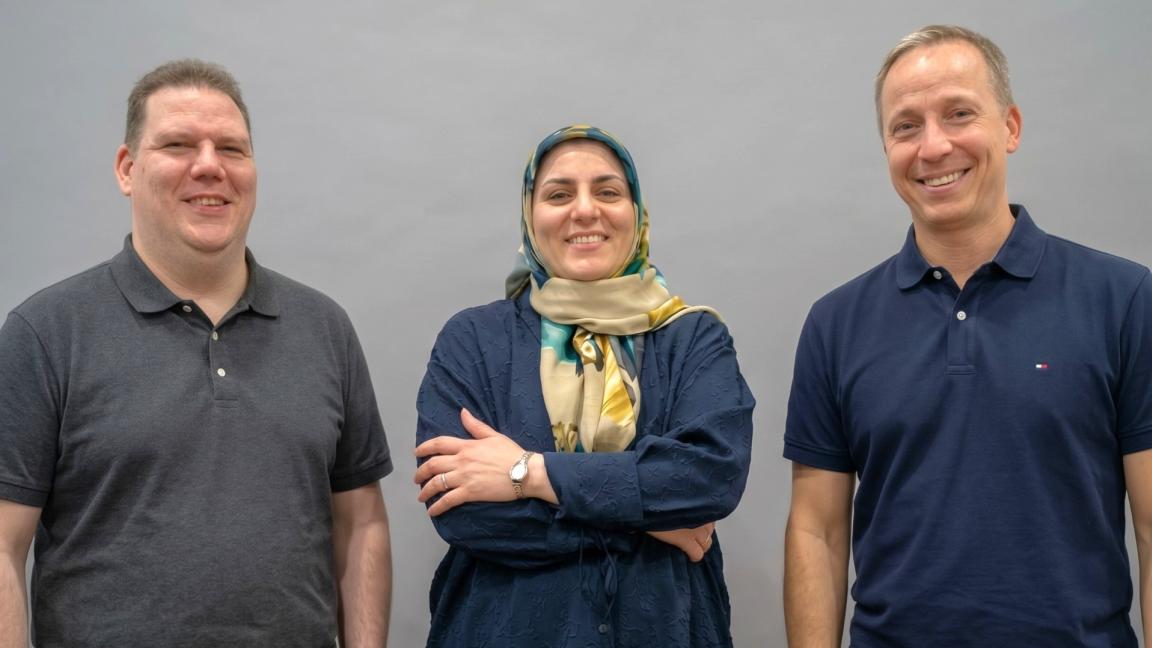


What if buildings were no longer just energy consumers, but flexible energy resources helping to create a smarter, more resilient, and more sustainable energy system? The FlexiPower research project has shown how buildings can actively support power system balancing and has led to the creation of a startup commercialising the technology.
Funded through Business Finland's Research to Business programme, the project builds on many years of research into flexible energy resources.
– Our research in Electrical Engineering’s Smart Electric Systems -research group at the University of Vaasa has focused for many years on smart grids, flexible energy resources and energy markets and the FlexiPower project is also a great combination of all these main focus areas, says Professor Hannu Laaksonen, coordinator of the project.
Buildings supporting the energy transition
The central idea behind FlexiPower is the concept of Building as a Battery. Rather than viewing buildings solely as electricity consumers, the research team investigated how existing heating and air-conditioning systems could be optimised to serve the needs of the power system.
– When we look at grid problems, we don’t usually think that consumers can be part of the solution. That was my main inspiration: how can we turn buildings into active flexibility resources for the grid, says the project’s researcher Elahe Doroudchi.
The technology enables buildings to adjust their electricity consumption according to grid conditions. When there is a plenty of renewable generation from wind and solar power and overall demand is low, buildings can increase consumption. During periods of higher grid stress, consumption can be reduced. The purpose is not to feed electricity back into the grid, but to optimise consumption based on the needs of the power system.
For building owners, participation in flexibility markets creates a direct financial incentive. By providing flexibility services, building owners can receive compensation through different flexibility markets from power system operators such as Fingrid in Finland. Additional benefits arise from shifting consumption towards periods with high renewable generation, helping to reduce reliance on fossil-fuel-based generation and lowering carbon dioxide emissions. This supports sustainable and secure energy transition.
– Our solution can also help to address congestion challenges in areas with rapidly growing electricity demand. As electric vehicle charging and electrification continue to increase consumption, local flexibility resources can help balance loads, reduce the risk of outages and limit the need for costly grid expansion investments, Doroudchi explains.
Demonstrating real flexibility
One of the project's most significant achievements was demonstrating that already existing buildings can reliably provide the amount of flexibility promised to electricity markets. The team first tested the concept through simulations and in the university’s FREESI Laboratory, before moving to real-building control demonstrations with property owners.
The project also revealed important differences between conventional demand-side flexibility solutions and the FlexiPower approach. According to the team's market analysis, most existing demand-side flexibility solutions focus primarily on energy savings or responding to spot-market prices. FlexiPower was designed to participate in multiple electricity flexibility markets (i.e. frequency control related reserve markets) that have very different technical requirements.
In some markets, assets must respond within three minutes. Traditional approaches often rely on switching devices off completely, which can be problematic for systems such as heat pumps that may require significantly longer recovery times before returning to operation. The FlexiPower approach avoids shutting equipment down entirely, enabling faster response times and access to a wider range of flexibility markets. This capability forms the core of the project's innovation, combining flexibility services with advanced load shifting and peak-shaving strategies.
The project’s main focus was on larger commercial and industrial properties, such as office buildings, shopping centres, logistics centres, and warehouses. While individual detached houses and small residential buildings can provide basic flexibility, their systems are typically limited to simple "on/off" controls. In contrast, the FlexiPower project successfully designed an advanced dynamic demand-side flexibility system tailored specifically for large-scale heat pumps and HVAC units. Because small residential buildings cannot support this level of dynamic control on their own, they were scoped outside the project.
From research to business with a real-world impact
The outcomes of the project are now being commercialised through the newly established company FlexiPower. The University of Vaasa is also a shareholder in the company.
The commercialisation process has been supported by the university's Ecosystems and Innovations team, who helped the team evaluate market opportunities, find networks and prepare for future business development.
– FlexiPower is an excellent example of what can happen when strong research is combined with market validation and entrepreneurial commitment. From the very beginning, the team has been focused on solving a real-world challenge and creating tangible impact. We are proud to have supported this journey and look forward to following the company’s continued growth, says Manager Philipp Holtkamp.
Turning deep-tech research into a viable commercial product requires translating complex algorithms into tangible customer value. As commercialisation lead for the project, Edvard Sandblom spearheaded the effort to map target customer segments and evaluate market potential.
– Taking cutting-edge research and building a viable business around it requires bridging two very different worlds, says Sandblom.
– Our focus was on proving not just that the technology works technically in buildings, but that it delivers concrete value to grid operators who pay for flexibility, while creating clear financial incentives for property owners.
A patent application related to the technology is currently pending.
The next phase focuses on connecting more buildings to the FlexiPower platform and increasing participation in Fingrid's balancing markets. The long-term ambition is to expand into additional flexibility markets like congestion management markets.
For Elahe Doroudchi, one of the most rewarding aspects of the project has been the opportunity to take research results beyond publications and test their impact in the real world.
– Research becomes more meaningful when it is connected to industry and real-life challenges. Collaboration creates motivation and makes the work more effective, she says.
Tietolaatikko