
The mastery of human factors can improve the safety of high-speed workboats
Image
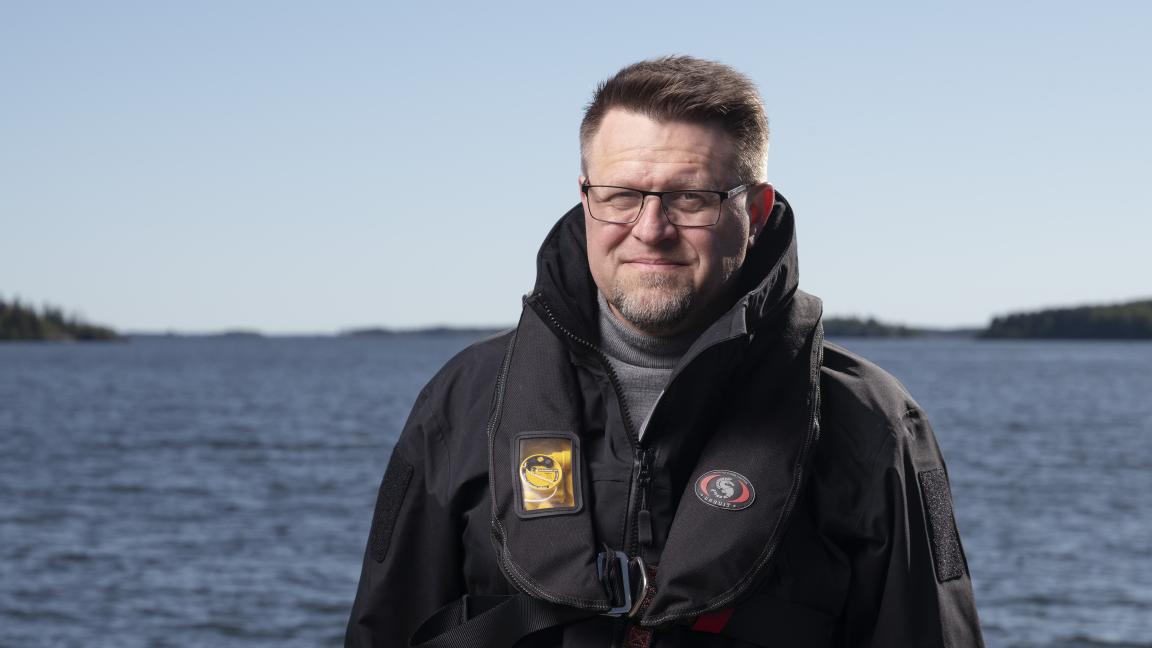
Successful cockpit operations in high-speed workboats are not achieved by overemphasising the technical skills of individual crew members. Instead, safety and performance are built on the proactive mastery of human factors and the functionality of the operating system, according to a doctoral thesis by Mikko Lehtimäki at the University of Vaasa.
Increasingly fast workboats are used in areas such as rescue, defense, and law enforcement, as well as in the maintenance of maritime infrastructure. Higher vessel speeds and more complex operating environments have increased the cognitive load on crews and the demands of decision-making.
According to the research in public management by Mikko Lehtimäki (MSc), incident and accident analyses still focus too heavily on errors made by individuals. This often leads to overlooking other factors that influence safety, such as crew cooperation, resource management, technology, and operating procedures.
– Safety cannot be developed by looking only at the actions of a single individual. We need an understanding of how people, technology, and the organisation work together, Lehtimäki states.
Analysis of accidents and incidents
The doctoral study modeled the competencies and behavioral markers of high-speed workboat crews and analysed the management of mental workload. The research data consists partly of analyses of accidents and incidents, as well as field research. The framework utilised includes the Finnish HF Tool concept and international civil aviation training standards.
– The results of the study can be applied to the development of high-speed workboat and vessel operations, as well as to cooperation across safety-critical sectors, says Lehtimäki.
The findings highlight the importance of technology usability, cockpit solutions, and standardised operating procedures. Additionally, the research emphasises the need for a proactive safety culture and decision-making based on research data.
Dissertation
Lehtimäki, Mikko (2026). Supporting the high-speed workboat cockpit work operations with the mastery of human factors: how to ensure the system performance and safety? Acta Wasaensia 588. Doctoral dissertation. University of Vaasa.
Public defence
The public examination of M.Sc. (Admin.) Mikko Lehtimäki’s doctoral dissertation ”Supporting the high-speed workboat cockpit work operations with the mastery of human factors: how to ensure the system performance and safety?” will be held on Tuesday 16 June 2026 at 12 at the University of Vaasa, auditorium Kurtén.
It is possible to participate in the defence also online:
https://uwasa.zoom.us/j/63535878086?pwd=yqicDLmzKeBaKm9B9sGLXJDqFevqmc.1
Password: 384541
Senior Lecturer, PhD Cecilia Österman (Linnaeus University) will act as opponent and Docent, Research Professor Anna-Maria Teperi as custos.
Tietolaatikko
Further information
Mikko Lehtimäki, tel. +358 40 514 7155, e-mail: mikko.lehtimaki@netikka.fi
Mikko Lehtimäki (MSc) is an HF specialist with a lengthy background in maritime search and rescue operations, system design and national development projects. He currently serves as a senior researcher at the Vaasa University of Applied Sciences.