
International students deepen their Finnish skills in Vaasa
Image
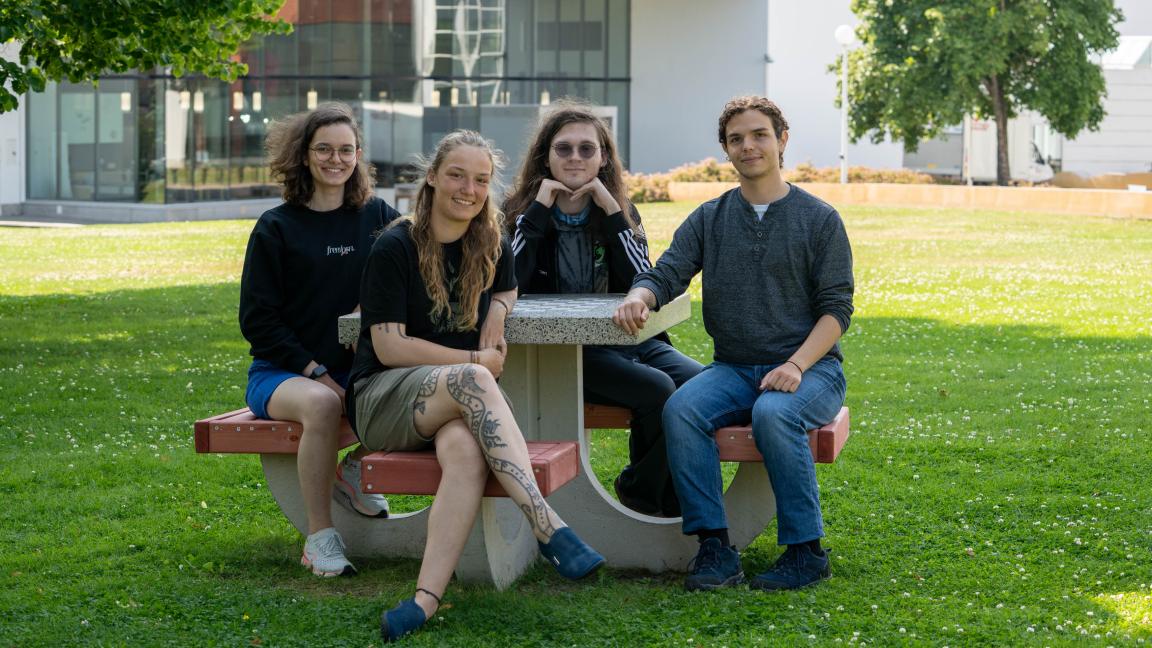

The Finnish language and culture summer course, organised jointly by Linginno, the language centre of the University of Vaasa, and the Finnish National Agency for Education, has once again brought international students to the campus in July. A total of 30 students from 13 different countries are taking part in the course, and they study Finnish at their home universities either as a major or a minor subject.
Organised for more than 20 years, the summer course combines deepening Finnish language skills with cultural experiences and opportunities to meet fellow Finnish-language students from around the world. In addition to language studies, the students explore Finnish culture and Ostrobothnia through visits to places such as Svedjehamn and the Ostrobothnian Museum. The course tutors also organise various free-time activities and events where students can get to know one another and spend time together.
The three-week course makes versatile use of different teaching methods. Students take part in workshops in two groups, one focusing on texts and writing and the other on speaking and presentations. Lessons include a great deal of pair and small-group exercises, discussions, practising speaking in various everyday situations, and reading and writing in Finnish. Grammar is taught through practical examples, and students are encouraged to actively use new structures. The shared activities, meanwhile, provide opportunities to practise using Finnish outside the classroom as well, and to become familiar with Finnish culture, history and nature.
We have had an open and encouraging atmosphere where students have felt confident practising and using Finnish boldly.
– University Teacher Sanna Machaal
Course Director and University Teacher Sanna Machaal says that this year’s course has got off to an excellent start. According to her, the students have been active, sociable and supportive of one another.
– We have had an open and encouraging atmosphere where students have felt confident practising and using Finnish boldly.
University Teacher Susanna Mantila has also noticed the students’ progress, particularly their growing confidence in speaking. Many now use Finnish much more naturally than they did at the beginning of the course. According to Mantila, it has been especially nice to see that the group has also become enthusiastic about fairly complex grammar topics and has been active outside lessons as well.
– Our visit to the Ostrobothnian Museum generated a great deal of interest. It was wonderful to see how language learning connected so naturally with the local culture and environment.
Machaal hopes that students will continue using Finnish confidently after the course and that they will leave with positive memories of their time at the University of Vaasa and in Finland.
– Above all, I hope that after the course the students are excited about studying and learning Finnish, and that they have confidence to use the language boldly. I also hope that they will have warm memories of Vaasa, Finnish culture and new friends from around the world.
Finding the confidence to speak Finnish
Image
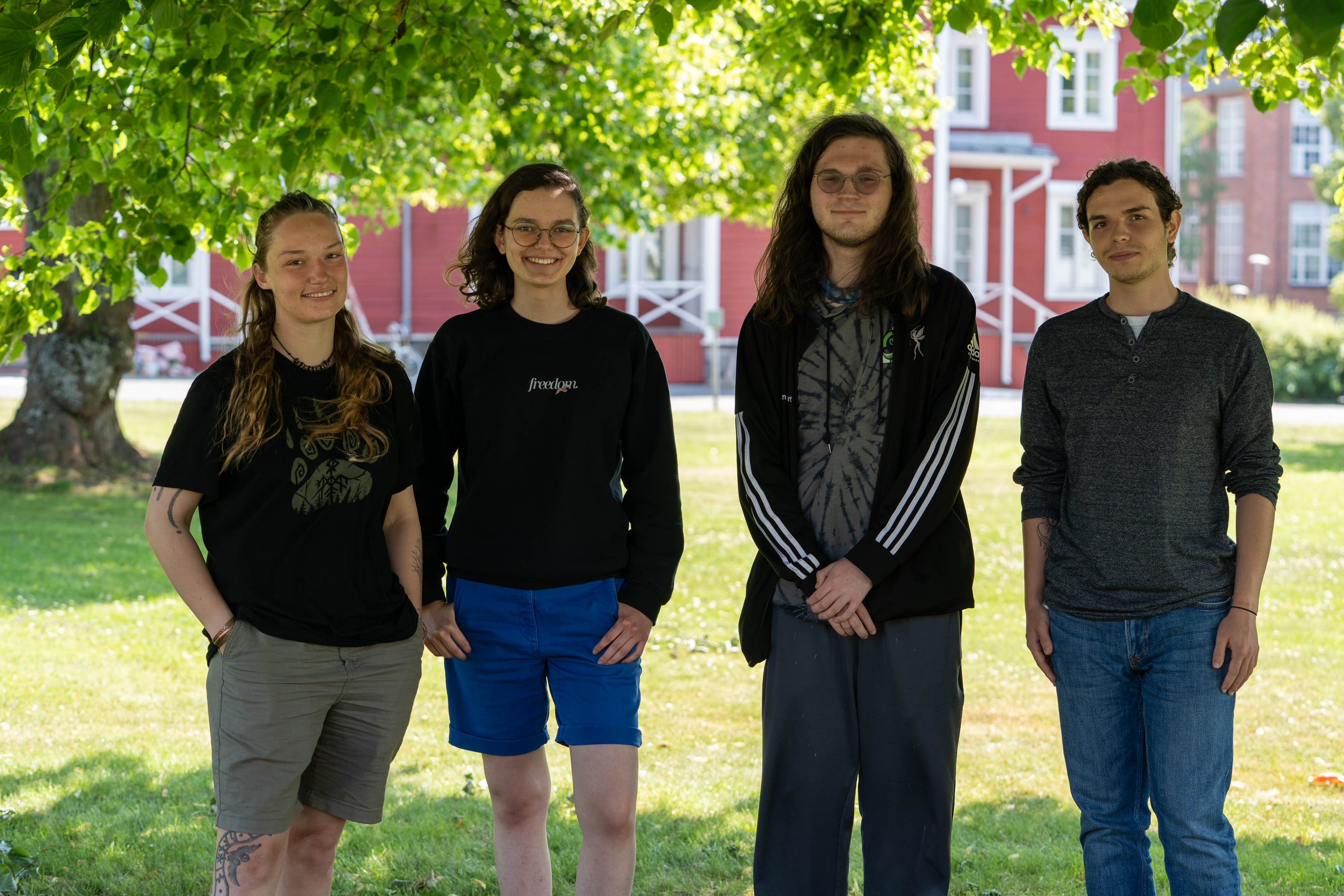
The course has improved my confidence. I dare to speak more boldly than before. Previously, I hesitated to speak Finnish with other people, but now I’m happy to give it a try Previously, I hesitated to speak Finnish with other people, but now I’m happy to give it a try. I feel more confident, for example, when I’m shopping.
– Annika Küpper
Ryan Ryckaert, originally from the United States, has been studying Finnish for around a year. Coming to Finland has long been a dream of his, and he also dreams of the possibility of moving to Finland in the future. His goal is to become a more fluent speaker, improve his language skills and get to know Finnish culture.
– What fascinates me about Finnish is the number of rules. In some other languages I have tried to learn, there are lots of exceptions to the rules that you simply have to memorise. In Finnish, there don’t seem to be quite as many exceptions, but there are certainly plenty of rules, Ryan says with a laugh.
Annika Küpper began studying Finnish independently four years ago and now studies Finnish language and literature in Greifswald, Germany. She says that her main reason for taking part in the course was her desire to deepen her skills, revise grammar, and use and absorb the language in an authentic environment.
– The course has improved my confidence. I dare to speak more boldly than before. Previously, I hesitated to speak Finnish with other people, but now I’m happy to give it a try Previously, I hesitated to speak Finnish with other people, but now I’m happy to give it a try. I feel more confident, for example, when I’m shopping.
Rajmond Tornyi ended up in Finland and Vaasa following a tip from his teacher. Interested in a career as an interpreter or translator, Tornyi says that the course has provided him interesting experiences and that he is pleased to have had the chance to try using Finnish in different situations.
– The most memorable moments have been the visits to the museum and the beach, but for me it is already enough that I can speak with Finnish people,” says Tornyi, who came from Hungary.
Emma Göncző, who studies electrical engineering at university, has enjoyed the opportunity to speak Finnish just as much as the other participants. In her view, writing and reading are easier than speaking. Originally from Hungary, Göncző describes both the students and teachers as friendly and says she has thoroughly enjoyed her time in Vaasa. What motivates Göncző in her language studies is the desire to be able to make use of Finnish in different ways in the future.
– This autumn I will start an exchange period in Finland, and I hope to use Finnish as much as possible then. I have thought that after my exchange studies I might perhaps even move to Finland. I also have a few Finnish friends, and I want to be able to speak Finnish with them.