Data centres’ energy needs could create export opportunities for Finland
Image
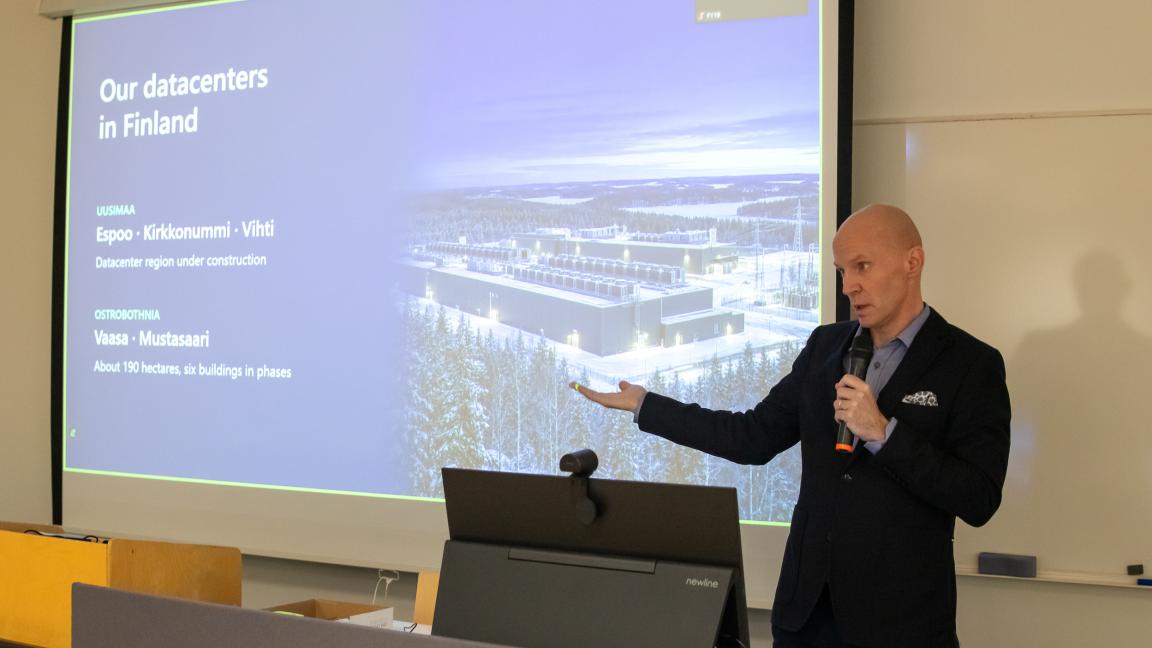
Microsoft Finlandin toimitusjohtaja Teemu Vidgren


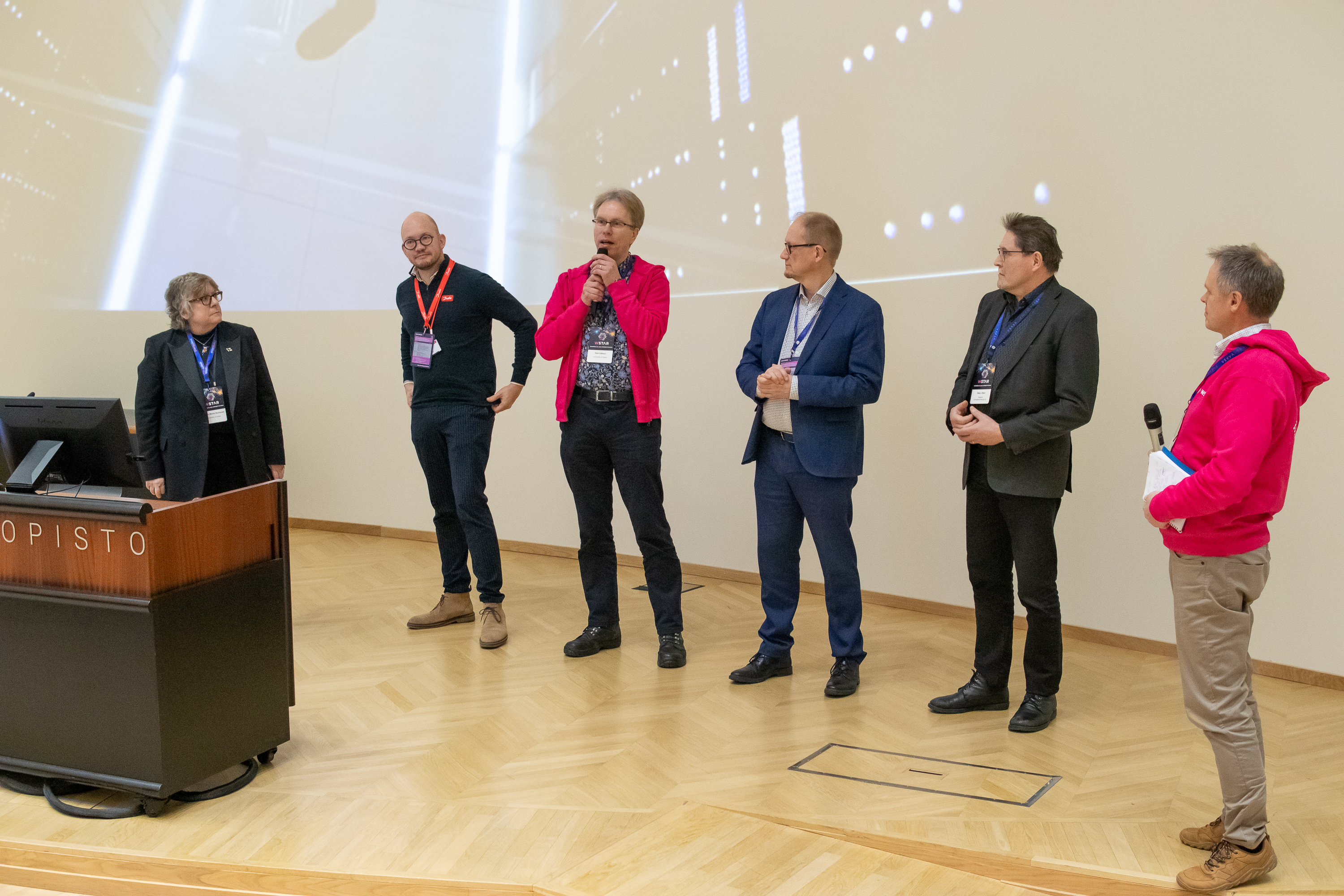
Growing energy demand from data centres could create export opportunities for solutions developed in Finland, said Teemu Vidgrén, General Manager of Microsoft Finland, at the WSTAR Networking Event at the University of Vaasa. He highlighted energy storage and flexibility in energy use, among other topics.
The University of Vaasa, Åbo Akademi University, Novia University of Applied Sciences and Vaasa University of Applied Sciences organised the WSTAR Networking Event at the University of Vaasa on 25–26 November. The event’s main partners were Business Finland, Danfoss, Microsoft, VASEK and Wapice. It brought together businesses, researchers and other industry stakeholders to discuss data centre energy use, financing and opportunities for collaboration.
WSTAR (Wasa Zero Emission Data Centre) is a research facility for developing solutions to improve data centre energy efficiency. It allows researchers to study air and liquid cooling for servers, the use of waste heat and the integration of data centres into local energy systems.
Vidgrén discussed Microsoft’s data centre project in Vaasa and Mustasaari. He said a building permit had been granted for the Mustasaari part of the project and that the application for the Vaasa part was still under review. Vidgrén said Microsoft aims to use power purchase agreements to procure enough electricity from new clean generation in Finland to match its data centres’ electricity consumption.
– We need to hear from the local community, Vidgrén said. He stressed the importance of being a good neighbour both during construction and after the data centres open.
Vidgrén also discussed Microsoft’s projects in the Helsinki region. A company study found that around 950 businesses provided services for a single data centre building. Vidgrén said 80 per cent of the subcontracting companies working at Microsoft’s data centre construction sites in the Helsinki region were Finnish.
.
Image
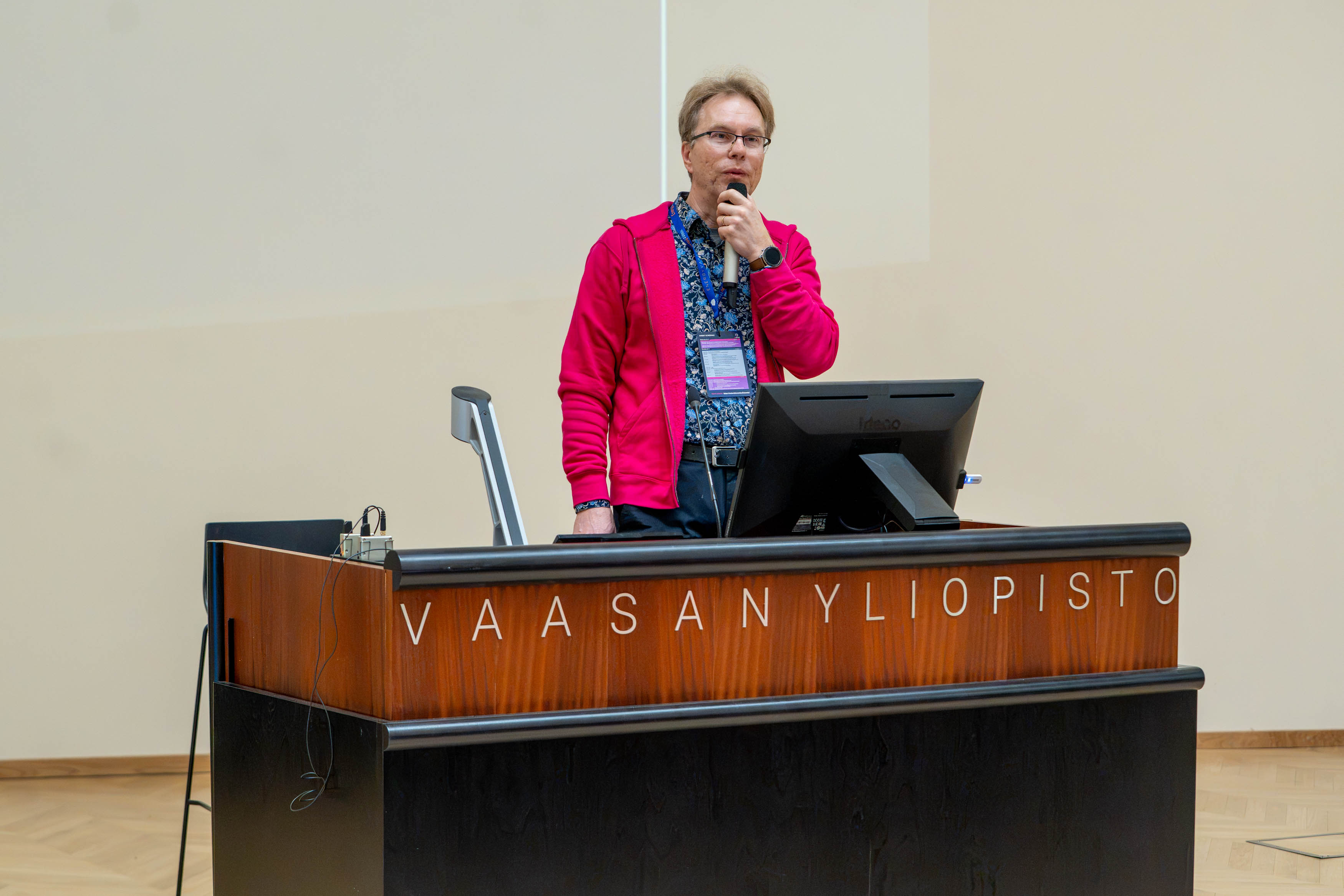
Professor Petri Välisuo of the University of Vaasa highlighted the central role of data centres in enabling AI-driven development. He said the sector’s future growth would depend on sustainable solutions that improve energy efficiency, increase flexibility and make better use of waste heat. He also stressed the need for greater openness and transparency to strengthen public acceptance of data centres.
– These data centres are kind of the steam engine of the fourth industrial revolution, Välisuo said.
Image
Välisuo said a project proposal for a data centre playbook was being prepared as part of the work at the WSTAR data centre laboratory. The aim is to define technical requirements for data centres jointly, bring the best technology into use and improve the competitiveness of Finnish industry in the sector. Välisuo said Finland has advanced technology to address data centres’ energy and power needs.
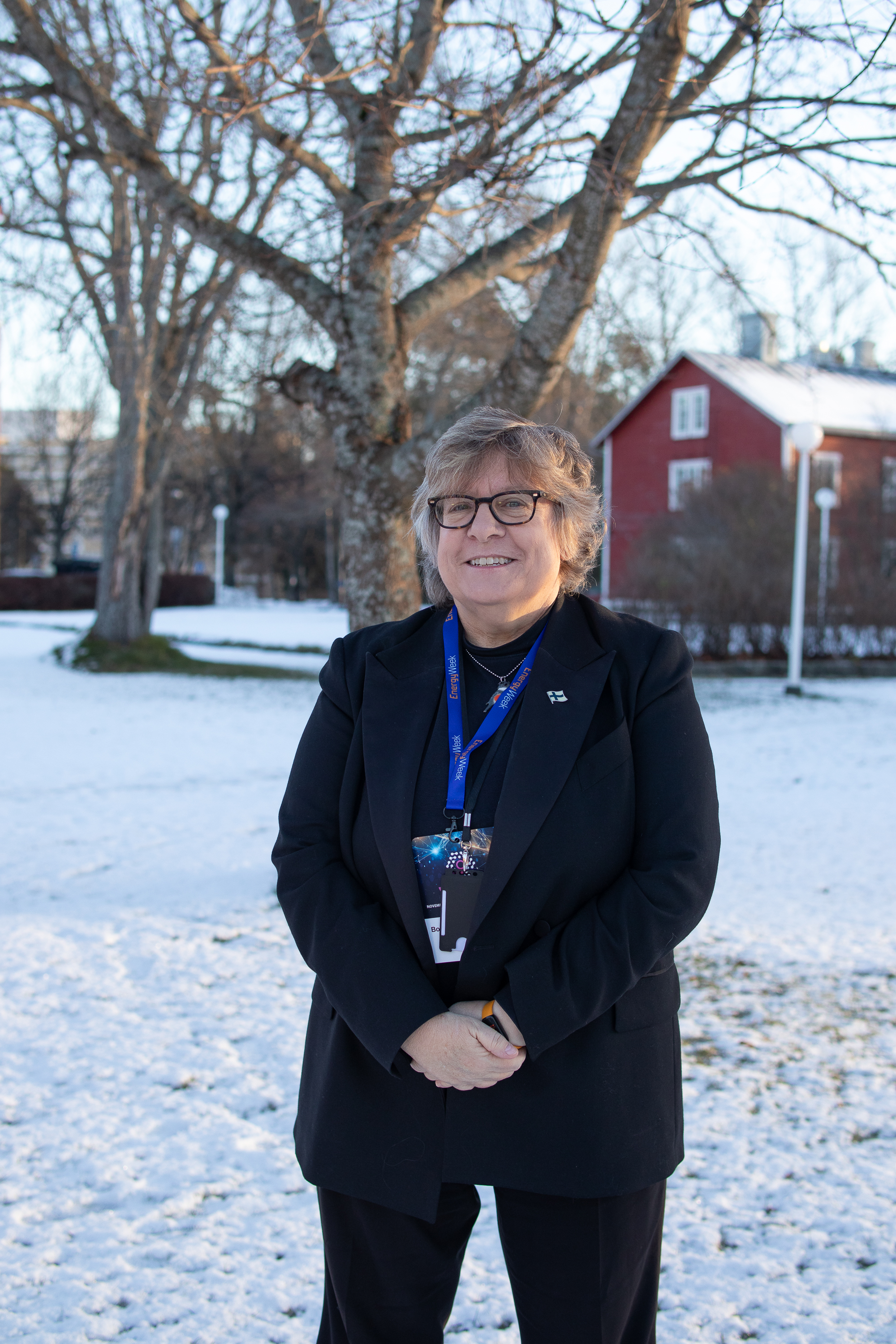
Professor Bonnie Buchanan discussed how data centre investment is financed. She said major cloud providers could no longer fund growing investment from their own cash flow alone. Buchanan pointed to private credit and asset-backed securities as options to consider and stressed the importance of credit quality in securing external finance.
Buchanan said the Finland Investment Institute is developing a hybrid financing framework. She used data centres as an example of how it could be applied.
Jerker Björkqvist of Åbo Akademi University opened Thursday’s programme. Risto Oikari of Kajaani University of Applied Sciences discussed data centre education and the development of industry collaboration in Kajaani.
Kristoffer Jansson of VASEK spoke about how the EnergyVaasa cluster helps create favourable conditions for data centres. Jari Kuusisto of Wapice discussed city data platforms, local data centres and the use of data in services.
Jussi Åkerberg of Business Finland examined the business opportunities that data centre investment could create for Finnish companies. Niels Albert van Dulmen of Danfoss discussed how collaboration, innovation and wider adoption of new solutions can strengthen industrial competitiveness.
Image