
How can grid reliability be secured in the future? Professor Hannu Laaksonen emphasises flexible energy solutions
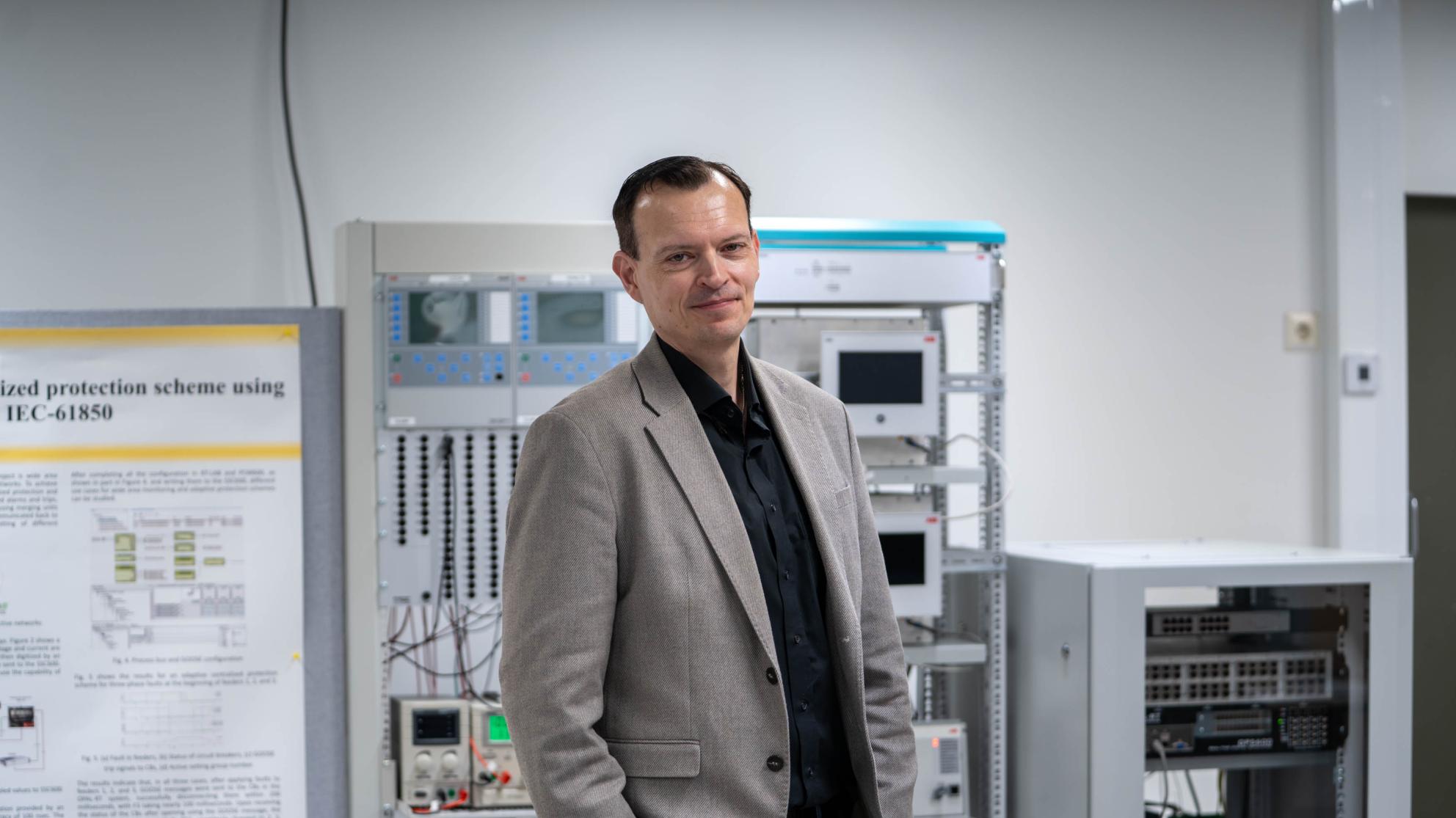


– Energy storage, demand-side flexibility, flexible engine power plants and microgrids will all play a major role in the electricity system of the future, says Professor Hannu Laaksonen from the University of Vaasa.
Electricity demand is forecasted to grow rapidly in the coming years as number of data centres increases and transport, heating solutions and industry become increasingly electrified. At the same time, an ever-larger share of electricity generation will be based on weather-dependent sources such as wind power.
How can we ensure the performance and reliability of the electricity system when demand is rising and power generation is becoming more variable?
In other words, will the grid be able to cope, and will there be sufficient capacity and protection systems in place?
– Ensuring sufficient electricity supply and maintaining power balance could become a significant challenge, especially during cold and low-wind winter periods, unless preparations are made well in advance, says Laaksonen.
Laaksonen is Professor of Electrical Engineering at the University of Vaasa. His expertise includes active distribution network management, the protection impacts of distributed energy generation, microgrids and flexible energy resources.
– Power systems are very complex with numerous interdependencies. Maintaining power balance across the electricity system will require an increasing range of flexible energy resources of different types and scales to meet the growing needs of both transmission and distribution networks. One thing is certain: we cannot rely on a single solution.
Microgrids play a key role
Today, the reliability and resilience of power systems are also challenged by threats like cyberattacks and extreme weather events, including storms, floods and wildfires.
– These risks must be taken into account in grid protection and automation solutions, as well as in network planning.
In emergency and disruption scenarios, various types of microgrids could help to ensure continuity of electricity supply. This is also a topic that Laaksonen would like to see receive more public attention when discussing grid resilience, that is, the ability of the electricity system to recover from major disturbances.
A microgrid can operate connected to the main power grid and, when necessary, disconnect and continue operating independently in so-called island mode. This helps to ensure uninterrupted electricity supply for the microgrid customers during outages and exceptional circumstances.
According to Laaksonen, microgrids using backup power systems and energy storage solutions have so far been deployed mainly by customers that are very dependent on reliable electricity supply, like hospitals, industrial facilities, data centres and telecommunication network base stations. Under normal conditions, these microgrids remain connected to the main power grid.
– Traditionally, permanently islanded microgrids have also been used on ships, in holiday cottages, on islands and in many developing countries. In the future, wider adoption of vehicle-to-grid (V2G) technology could, in principle, enable microgrids to be utilised more broadly in households as well.
In microgrids, electricity can be generated and managed using technologies like engine-based power generation, solar panels, battery energy storage and flexible demand. Microgrids of different sizes, together with their flexibility resources, can increase the flexibility of the entire power system during both normal operation and emergency situations.
– Microgrids are important when discussing the grid’s ability to withstand major disruptions. More broadly, energy storage, demand-side flexibility, flexible engine power plants and microgrids will all play a significant role in the electricity system of the future.
Flexible energy resources will be crucial
According to Laaksonen, reliably meeting growing and increasingly variable electricity demand will require greater use of flexible energy resources across all voltage levels of the power system. The most important investments of the next decade, from a security-of-supply perspective, are closely linked to such flexibility solutions.
– These flexibility resources may include demand response measures such as smart charging of electric vehicles, new transmission interconnections both within and between countries, and various rapidly controllable short-term energy storage solutions, most notably battery energy storage systems, he explains.
Laaksonen also highlights longer-term energy storage and conversion technologies that can help to manage seasonal fluctuations, as well as environmentally sustainable, weather-independent flexible electricity generation solutions. These include, for example, engine power plants fueled by synthetic hydrogen-based fuels or biofuels.
– Modular engine power plants, in particular, can be deployed very quickly.
Without a diverse and intelligent use of flexibility resources, substantially greater investments would be required in backup generation capacity and electricity transmission infrastructure.
– That, in turn, would significantly increase electricity costs for household and industrial customers.
A distributed electricity system is the most resilient
According to Laaksonen, operation of future electricity networks should increasingly be planned based on the active utilisation of distributed and flexible energy resources.
More effective use of digitalisation and real-time measurement data would enable electricity networks to be operated in the most efficient way possible, maximising the use of existing capacity and helping to keep customers’ electricity prices as inexpensive as possible.
– The more distributed our electricity system is, the better it will be in terms of reliability and resilience. Greater system flexibility, combined with intelligent management and protection solutions, can also help prevent disruptions from occurring in the first place.
Can Finland’s power system meet increasing electricity demand in the 2030s, Professor Hannu Laaksonen of the University of Vaasa?
Electricity demand is forecasted to grow rapidly in the coming years due to the increased number of data centres and the electrification of transport, heating and industry. At the same time, an increasing share of electricity generation is based on weather-dependent energy sources. What will be required from the power system to avoid the risk of power shortages? How can Finland’s power system maintain its performance and security of electricity supply at a time when electricity consumption is rising and generation is becoming more variable?
Is there a real risk of electricity or power shortages in Finland during the 2030s?
– Electricity demand is expected to increase by as much as 40–50% in the coming years as number of data centres increases and transport, heating solutions and industry become increasingly electrified. At the same time, an increasing share of electricity generation is based on weather-dependent energy sources, such as wind power. Ensuring a sufficient electricity supply and maintaining power balance, meaning the real-time balance between electricity generation and consumption, could become a significant challenge during cold, low-wind winter days and prolonged periods of such weather unless preparations are made well in advance.
How significant a risk do cold and low-wind winter periods pose to the electricity system?
– Without proper preparation, they can pose a considerable risk and we can’t rely only on any single solution. Maintaining the power balance of the electricity system will require an increasing range of flexible energy resources of different types and scales to meet the growing flexibility needs of both transmission and distribution networks. From a security-of-supply and resilience perspective, the electricity system must also be prepared for a wide range of threats, including cyberattacks and extreme weather events. All these growing requirements and risks must be considered in the protection and automation solutions of both current and future electricity networks, as well as in grid planning.
What does the electricity system need in order to reliably meet growing and increasingly variable demand? And what are the most important investments for security of supply over the next decade?
– Reliably meeting growing and variable electricity demand will require more flexibility resources across different voltage levels of the electricity network. These flexibility resources may include various demand response solutions, such as smart charging of electric vehicles, new transmission interconnections both within and between countries, and rapidly controllable short-term energy storage solutions like battery energy storage systems as well as longer-term energy storage, conversion and flexible power generation technologies. The most important investments for electricity security of supply over the next ten years are closely linked to these solutions
What role could energy storage, demand-side flexibility and microgrids play in the power system of the future?
– Energy storage, demand-side flexibility, flexible engine-based power plants and microgrids will play an increasingly important role in the power system of the future. A microgrid can operate connected to the main power system and, when necessary, disconnect from it and continue operating in so-called island mode. This enables the microgrid to maintain a continuous electricity supply for its customers during outages and other exceptional situations. Within a microgrid, electricity can be generated and power balance managed using technologies such as engine-based power generation, solar panels, battery storage and flexible demand. Microgrids of different sizes, together with their flexibility resources, could also enhance the flexibility of the entire power system during both normal and disturbance situations.
How much difference could demand-side flexibility from consumers and businesses make in preventing power shortages?
– Households, energy communities, businesses, shopping centres, industrial facilities and data centres, together with their different flexibility resources, are all highly promising participants in balancing the electricity system. Such flexibility resources can include, for example, solar panels, air conditioning systems, heating systems, electric vehicle charging solutions and battery storage systems of various sizes.