
Tatiana King and Vanja Piljak appointed Professors at the University of Vaasa – research highlights sustainability and the transformation of financial markets
Image

New professors Vanja Piljak and Tatiana King.


Two new professors started at the University of Vaasa in June. Their research addresses current sustainability challenges from the perspectives of accounting and finance. Professor of Accounting (ESG reporting and sustainability) Tatiana King studies sustainability reporting and climate risks, while Professor of Finance (international financial markets) Vanja Piljak focuses on sustainable finance and investment.
Tatiana King, Professor of Accounting: “We’re now being asked to measure carbon and nature”
Doctor of Science (Economics and Business Administration) Tatiana King specialises in corporate sustainability reporting, financial and non-financial reporting supporting managerial decision-making, as well as the assessment of intangible assets and firm performance.
– Accounting has spent a century perfecting how we measure money. We're now being asked to do the same for carbon and nature, but in a fraction of the time, and under far more scrutiny, King says.
Image
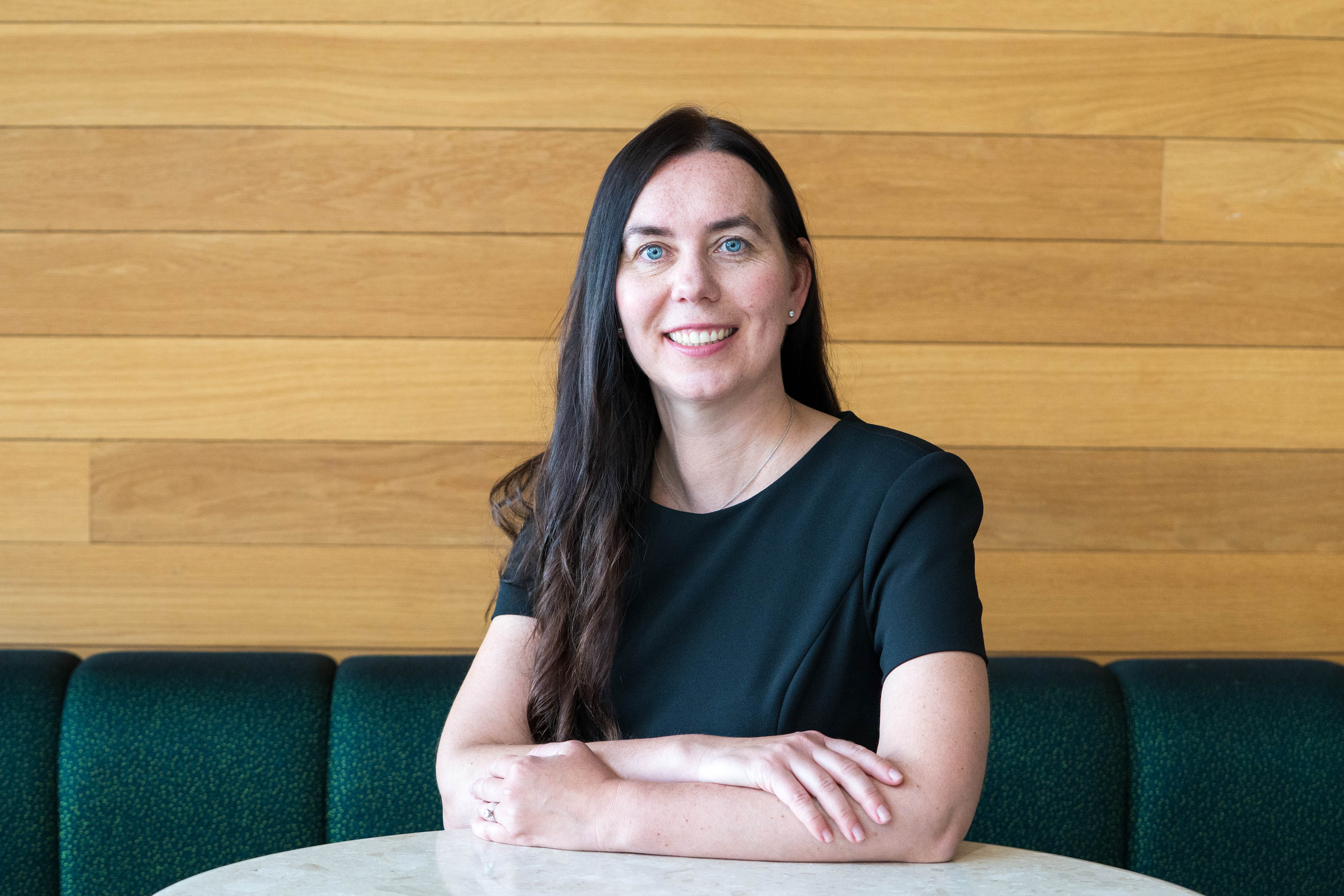
King’s research focuses on ESG and sustainability reporting, particularly how companies and banks disclose, and are held accountable for, climate- and biodiversity-related risks and how governance structures shape the quality of that disclosure. Her work contributes to understanding whether sustainability disclosure reflects genuine accountability or merely symbolic compliance. Her research also examines how accounting practices are evolving to better capture environmental impacts such as climate change and biodiversity loss.
– What draws me to this area is that financial reporting was never designed to measure carbon or biodiversity loss. Understanding how it needs to adapt is both challenging and highly consequential, King says.
– The topic is increasingly important as banks, investors and regulators rely on ESG and climate data when making financing decisions. If such data is unreliable, capital may be misallocated and issues like greenwashing remain undetected, she adds.
King’s research provides empirical evidence on whether current reporting and governance mechanisms function as intended.
Before her appointment, King served as Associate Professor at the University of Vaasa and advanced to full professor through the tenure track system. She joined the university in 2018.
King holds the title of Docent (Adjunct Professor) at LUT and has a broad international career in teaching and research at several universities. She is a member of the International Advisory Board at Krakow School of Business (Poland) and CESA Business School (Colombia).
King holds a PhD in Economics from St. Petersburg University, where her doctoral research examined intellectual capital as a factor of company value creation. In addition to her research, she serves as Editor-in-Chief of the Multinational Finance Journal and is actively involved in international academic collaboration. She also has substantial experience of accreditation work in relation to EFMD and AACSB.
Vanja Piljak, Professor of Finance: “Sustainable and climate finance are shaping the future of global markets”
Doctor of Science (Economics and Business Administration) Vanja Piljak focuses on international financial markets, with a particular emphasis on sustainable, green, and climate finance.
– Climate-related risks are significant and complex challenges for economies, financial stability, and global markets. Green and climate finance research plays an important role in supporting sustainable development and the transition towards climate-resilient societies, says Piljak.
Piljak’s research examines how different risks and uncertainties shape financial markets. Her work has evolved from financial crises and political risks to emerging topics such as climate and geopolitical risks, alongside developments in global financial markets.
– I am particularly interested in how green financial instruments, such as ESG thematic bonds, can help address climate change and how sustainability can be incorporated into investors’ decision-making, she explains.
Image
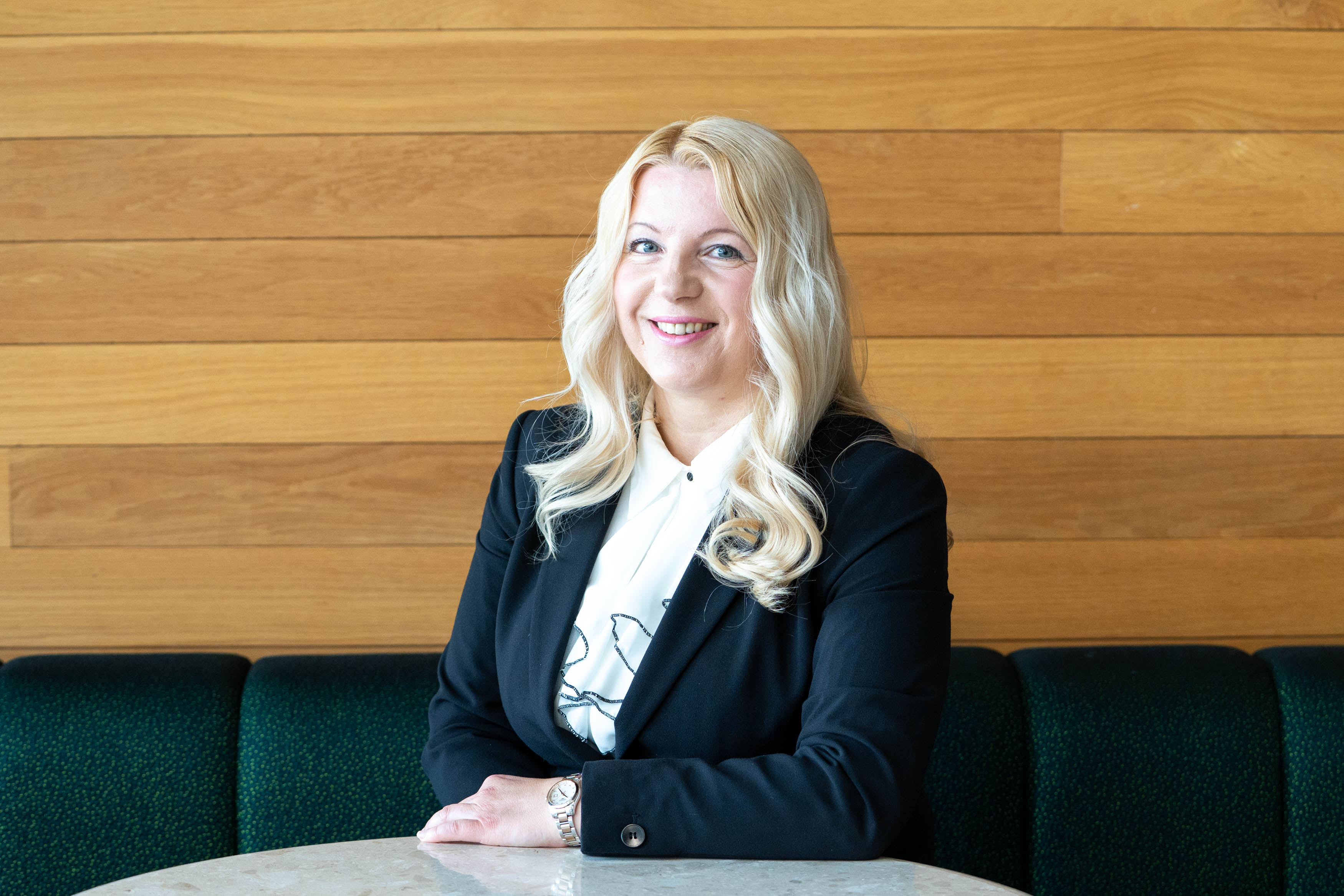
Research on climate finance and sustainable investing has become increasingly important for governments, companies, and investors. Piljak’s work addresses themes such as energy transition, carbon markets, and climate-related risks. It also improves understanding of how risks and uncertainty affect the pricing of sustainable assets and investment decisions. Her research has informed policymaking and has been cited by organisations such as the European Systemic Risk Board and the International Monetary Fund.
Before her appointment, Piljak worked at the University of Vaasa as Associate Professor of Finance and advanced to Professor through the tenure track system. Piljak earned her doctoral degree in finance from the University of Vaasa, majoring in international financial markets, in 2013. She holds the title of Docent (Adjunct Professor) at the University of Jyväskylä and has held visiting scholar positions at universities in Switzerland, France, Cyprus and the United States. She also has several years of experience in the international banking industry.
Piljak is actively involved in international research collaboration, and her research has been widely published in leading international academic journals in finance. She serves as Editor in Multinational Finance Journal, and as Associate Editor in several international journals. She has been awarded several grants supporting her research on climate finance and financial markets. She is also actively contributing to the development of teaching by serving as a member of the Steering Committee for the EFMD Master Programmes Conference.
– My research aims to raise awareness of the urgent need to respond to climate change and to provide insights that support financial stability and regulation. By conducting research in green and climate finance, we are also contributing to global efforts to combat climate change and to build a more sustainable future for the next generations, says Piljak.