
International student group explored Finland’s comprehensive security model and U.S. Intelligence
Image
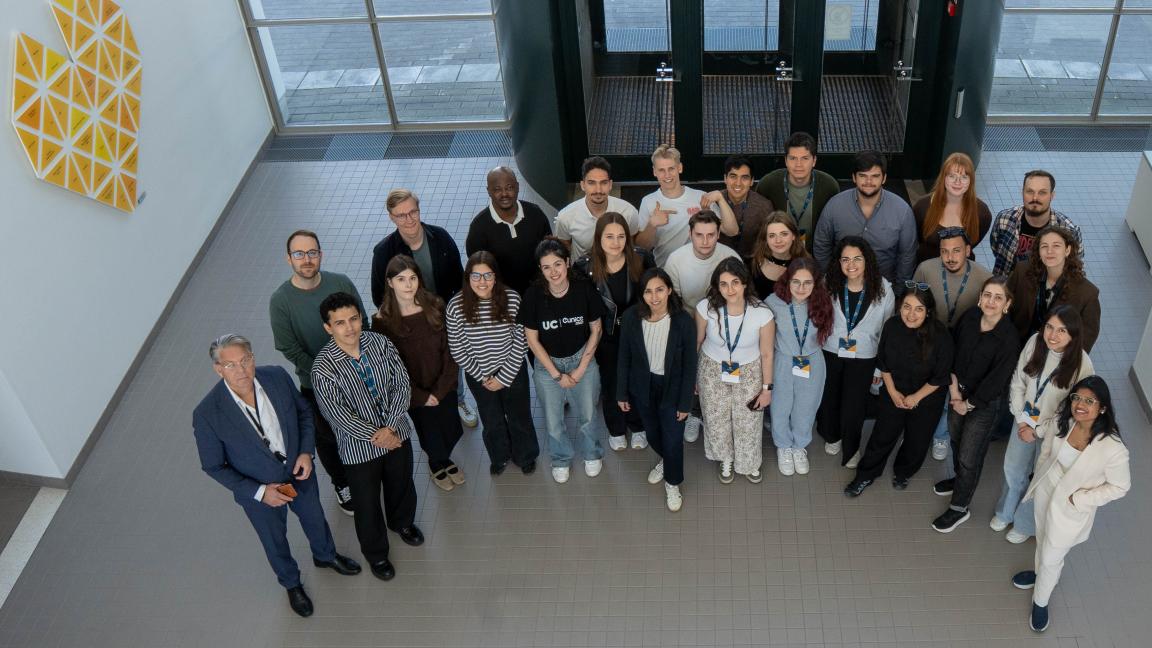

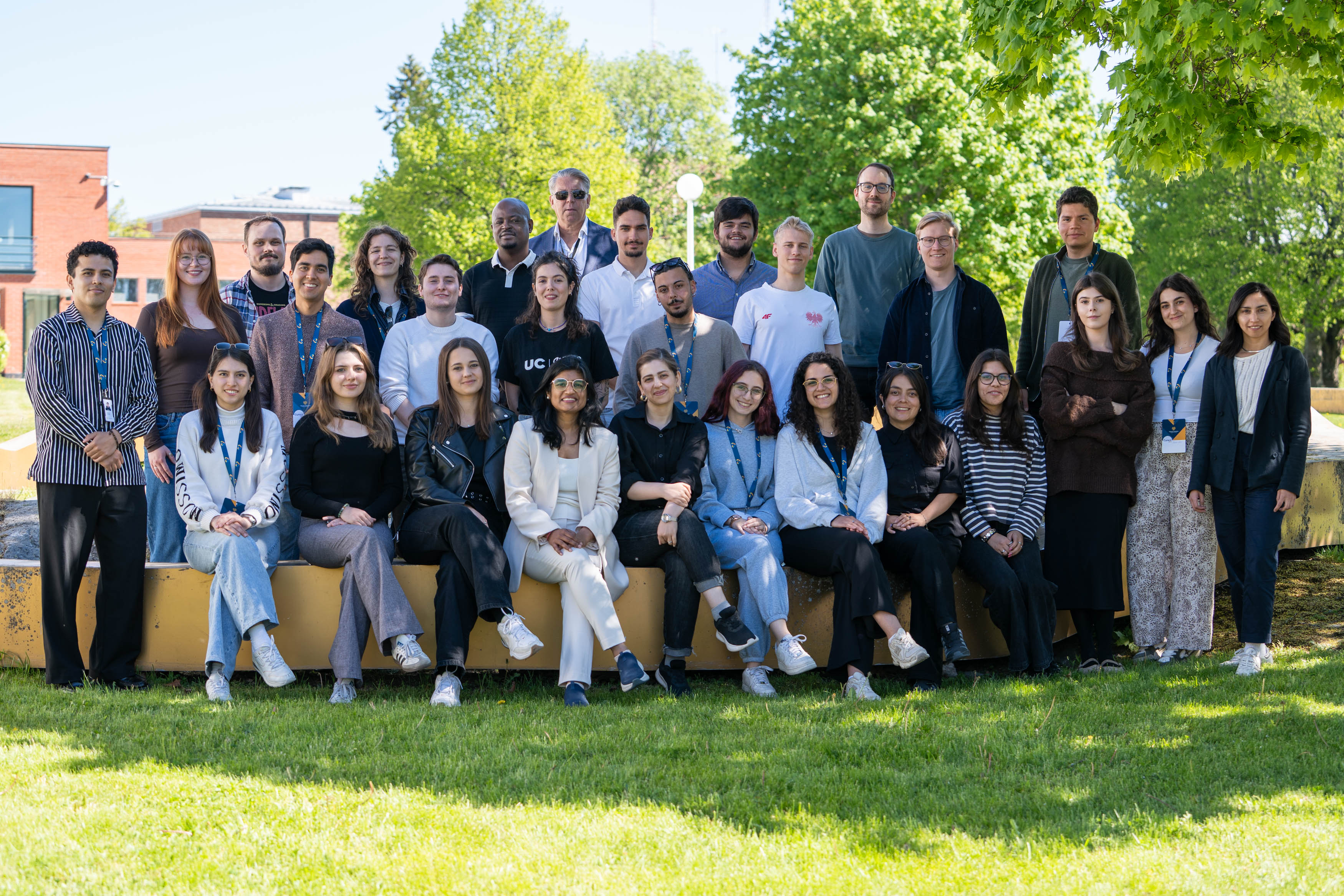
The EUNICE network organised the summer school Strengthening Resilience in the Times of Polycrises, with the University of Vaasa leading its organisation in Vaasa and Helsinki. Over the course of the week, 20 students from across Europe had the opportunity to familiarise themselves with Finland’s comprehensive security model. The programme also featured a visit from internationally renowned intelligence expert, Professor Jan Goldman from the United States.
– It was a pleasure to bring students and experts together around such a timely and internationally relevant theme. The summer school is closely linked to the activities of our Preparedness and Resilience Research Platform as well as to our new Master’s Programme in Preparedness and Resilience, which will launch this autumn, says Research Director Petri Uusikylä from the University of Vaasa.
Students from nine European countries participated in the course: in addition to Finland, participants came from Sweden, Poland, Spain, Germany, France, Greece, Italy and Portugal.
Image
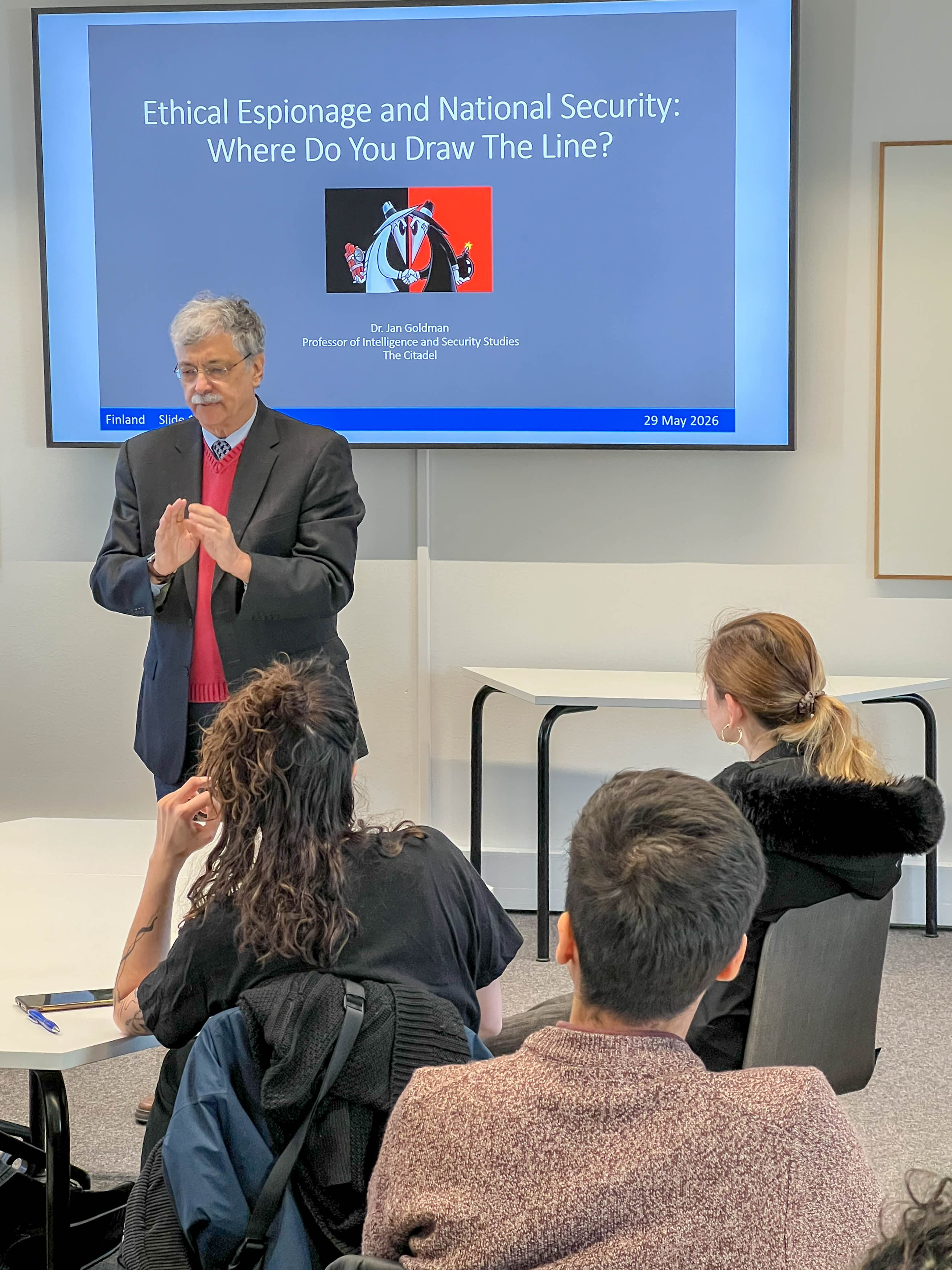
Participants had the opportunity to visit both the Vaasa and Helsinki campuses. In Helsinki, they visited, among other institutions, the Security Committee and learned more about the work of the future committee of the Finnish parliament in a meeting with MP Mikko Ollikainen. In Vaasa, the theme was explored in greater depth from multiple perspectives, guided by university experts and guest lecturers. One of the lecturers was the internationally respected intelligence expert, Professor Jan Goldman of The Citadel, who addressed intelligence and ethics in his lectures.
Students praised the course for its diverse and comprehensive approach to security and resilience.
Image
– We have learned a lot, mainly about the limits and opportunities to implementation of the Finnish resilience system. Maybe the most interesting thing has been the level of interaction with the institutions here in Finland, and especially the last lecture from Professor Goldman. This is the perfect context to have a high-level discussion around topics such as security and resilience, says Miguel Angel Lobo Rueda from the University of Cantabria, Spain.
– I’ve learned a lot about different views on resilience and polycrisis, everything from heritage to national intelligence. As a Swedish person, I found it really interesting to learn more about our shared history and the Finnish culture, says Ina Dahl from Karlstad University, Sweden.
The growing importance of short-term exchange programmes
The studies were delivered as a blended intensive programme (BIP), combining online learning with in-person periods in Helsinki and Vaasa. The importance of such programmes is increasing, as students do not always have the opportunity to participate in semester- or year-long exchange studies.
– All in all across EU international learning opportunities should be accessible to a wider range of students. Not everyone is in a position to take part in a long-term exchange and statsistically the 4-6 months mobilities have decreesed. That is why programmes like this create important and meaningful opportunities for students, says Development Manager Ivanka Capova.
Within the EUNICE network, there has been a focus on developing new kinds of internationalisation opportunities. In addition to short, flexible courses, the network offers its students, for example, high-quality joint online courses, thereby broadening the range of courses available for students to choose from.
Tietolaatikko
EUNICE – European University for Customised Education
EUNICE, the European University for Customised Education, is designed to solve social and economic challenges by strengthening education, research and internationalisation. Together, EUNICE universities from ten European countries are working towards flexible study pathways across national borders.
EUNICE is one of the European Universities receiving Erasmus+ funding from the European Commission.
In addition to the University of Vaasa, the EUNICE partner universities are:
- Poznan University of Technology (PUT), Poland
- Brandenburg University of Technology Cottbus- Senftenberg (BTU), Germany
- University of Cantabria (UC), Spain
- University of Mons (UMONS), Belgium
- University of Catania (UNICT), Italy
- Polytechnic University of Hauts-de-France (UPHF), France
- University of the Peloponnese (UoP), Greece
- Polytechnic Institute of Viseu (IPV), Portugal
- Karlstad University (KAU), Sweden