
Europe’s preparedness depends on stronger connections between institutions, expertise and resources
Image
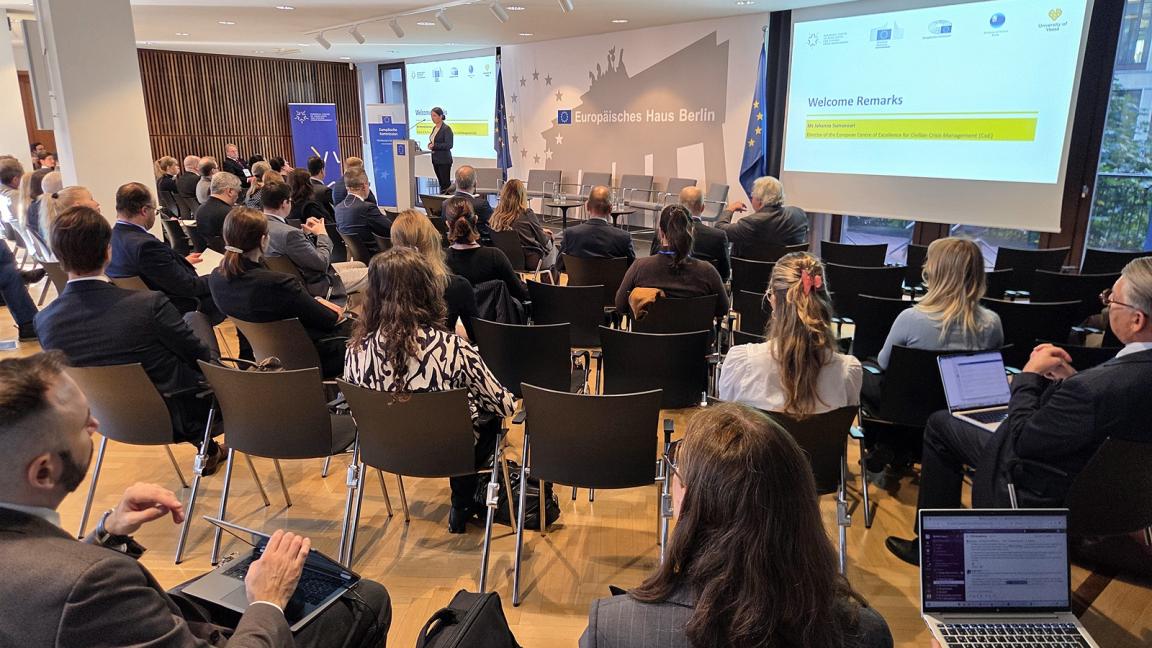
The conference Strategic Preparedness in Times of Polycrisis: A European Perspective brought together political, societal and academic stakeholders to examine how Europe can strengthen its preparedness and resilience in a changing security environment.
Finnish and German approaches to strategic resilience
Using Finland and Germany as case studies, the conference explored how EU Member States address internal and external security challenges within the broader EU policy framework. Discussions highlighted the role of the EU’s Civilian Common Security and Defence Policy (CSDP), civilian missions and the emerging Preparedness Union Strategy in strengthening resilience against new threats.
Image
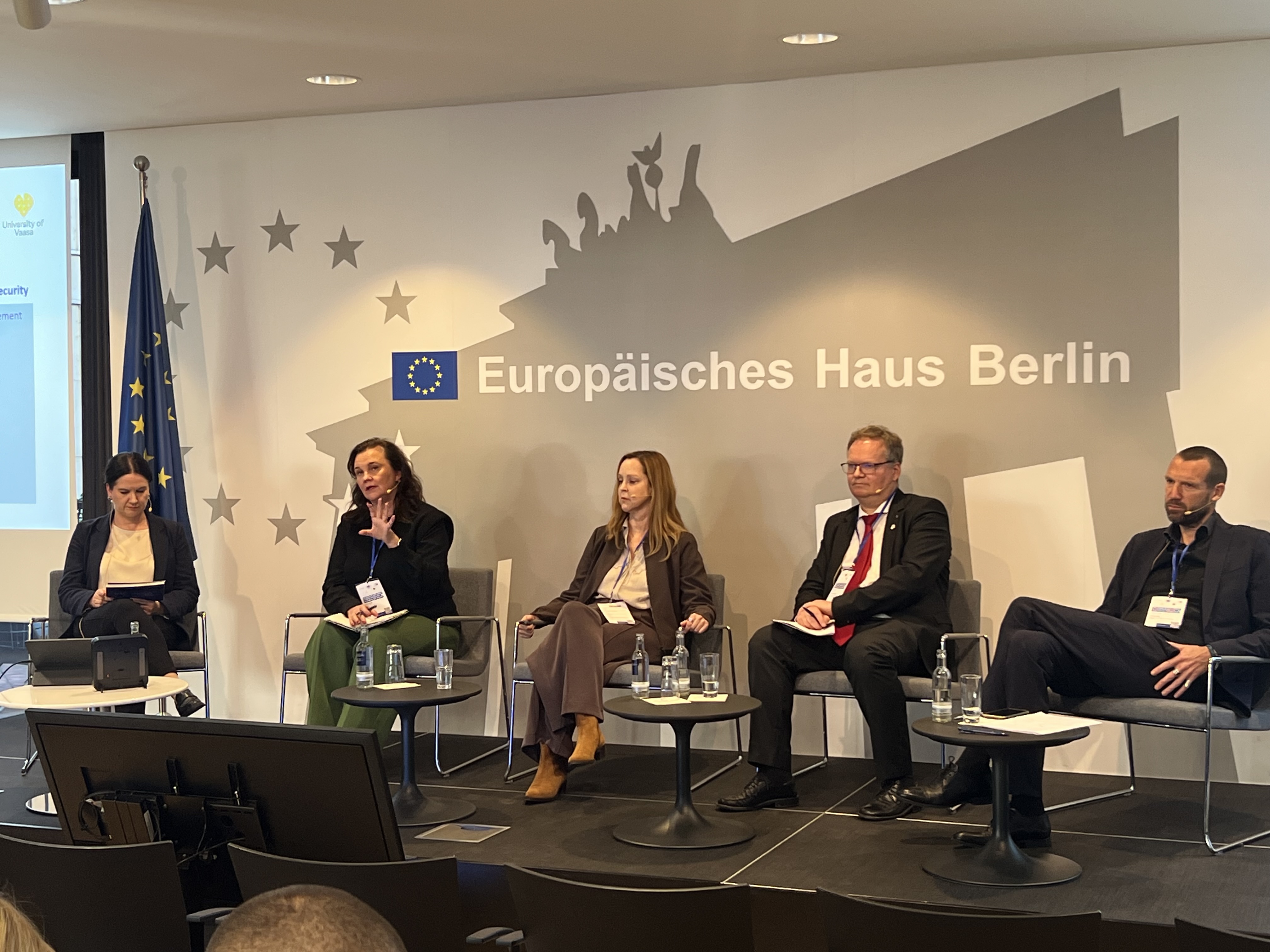
Participants included policymakers and practitioners at local, regional, national and EU levels, as well as representatives of research institutions, civil society organisations and the private sector. Discussions focused on Finnish and German approaches to strategic resilience, European preparedness and the connection between internal and external security.
The conference aimed to lay the foundation for a longer-term platform through which EU Member States and stakeholders can exchange experiences, identify transferable practices and jointly advance preparedness across Europe.
Connectivity is key to effective preparedness
The most significant takeaway was that Europe’s main preparedness gap is not a lack of institutions, expertise or resources, but insufficient connectivity between them. Effective preparedness requires nationally adapted systems to work together through European interoperability, shared risk awareness and credible solidarity. Trust, citizen agency and systematic learning are operational capabilities alongside infrastructure, reserves and professional expertise. Ultimately, preparedness depends on converting distributed knowledge and responsibilities into coordinated action through communication, coordination and cooperation.
Image
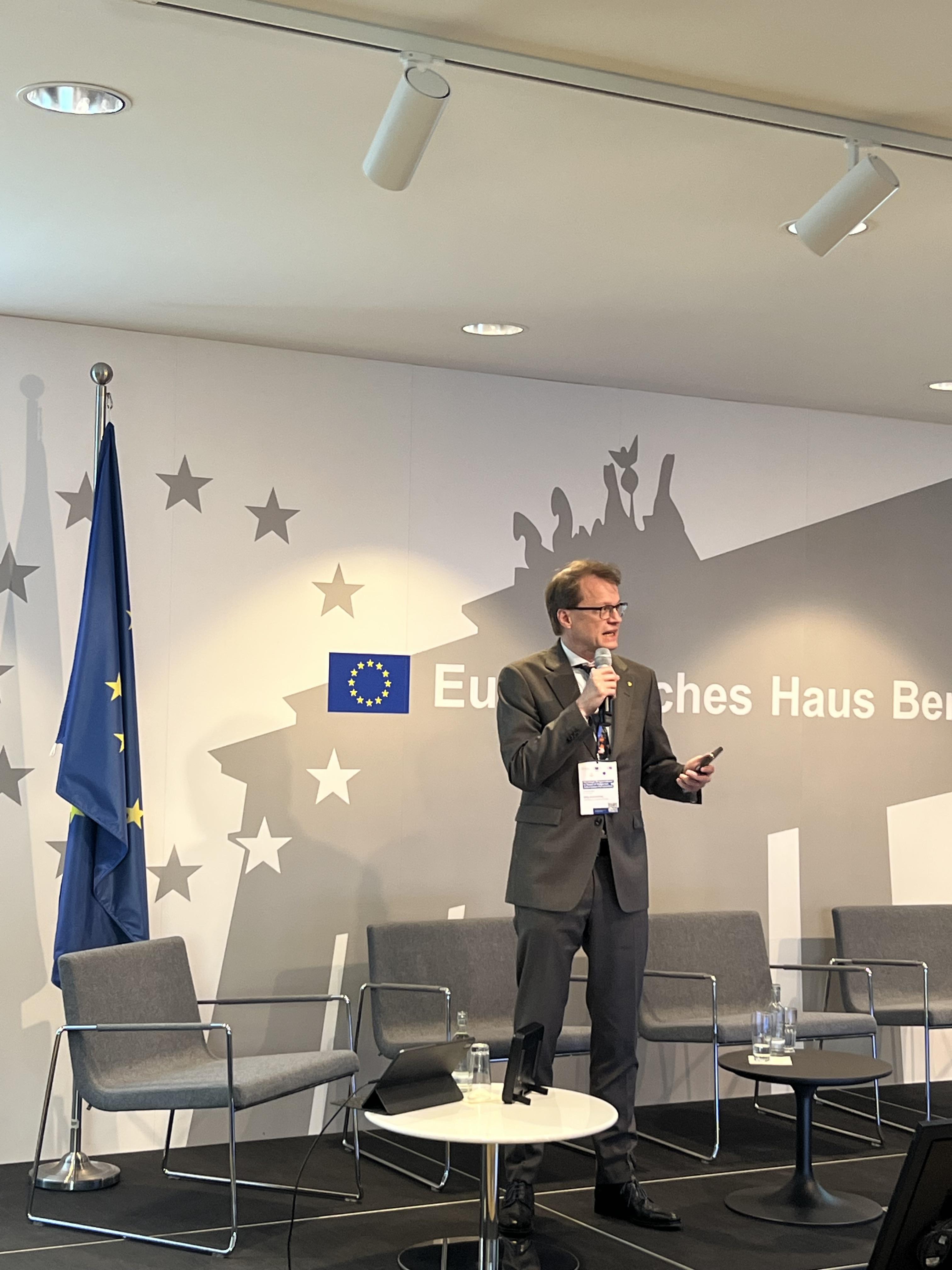
The event was organised by European Centre of Excellence for Civilian Crisis Management (CoE), European Commission and University of Vaasa with the support from the Embassy of Finland in Berlin. The University of Vaasa was represented by Hanna Smith, Professor of Practice in preparedness and resilience research, while the closing remarks were delivered by Mika Grundström, Vice Rector of the University of Vaasa.
The event relates to all three strategic focus areas of the University of Vaasa: sustainable business through business continuity and public-private preparedness, energy through security of supply and resilient infrastructure, and society through whole-of-society resilience, institutional trust, citizen preparedness and European cooperation.
Watch the video for highlights from the conference.