




Energy Transition & Comprehensive Resilience
Image

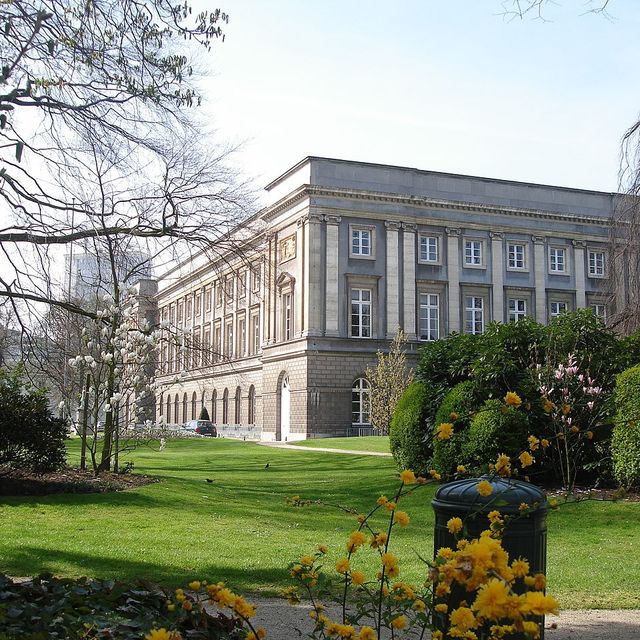
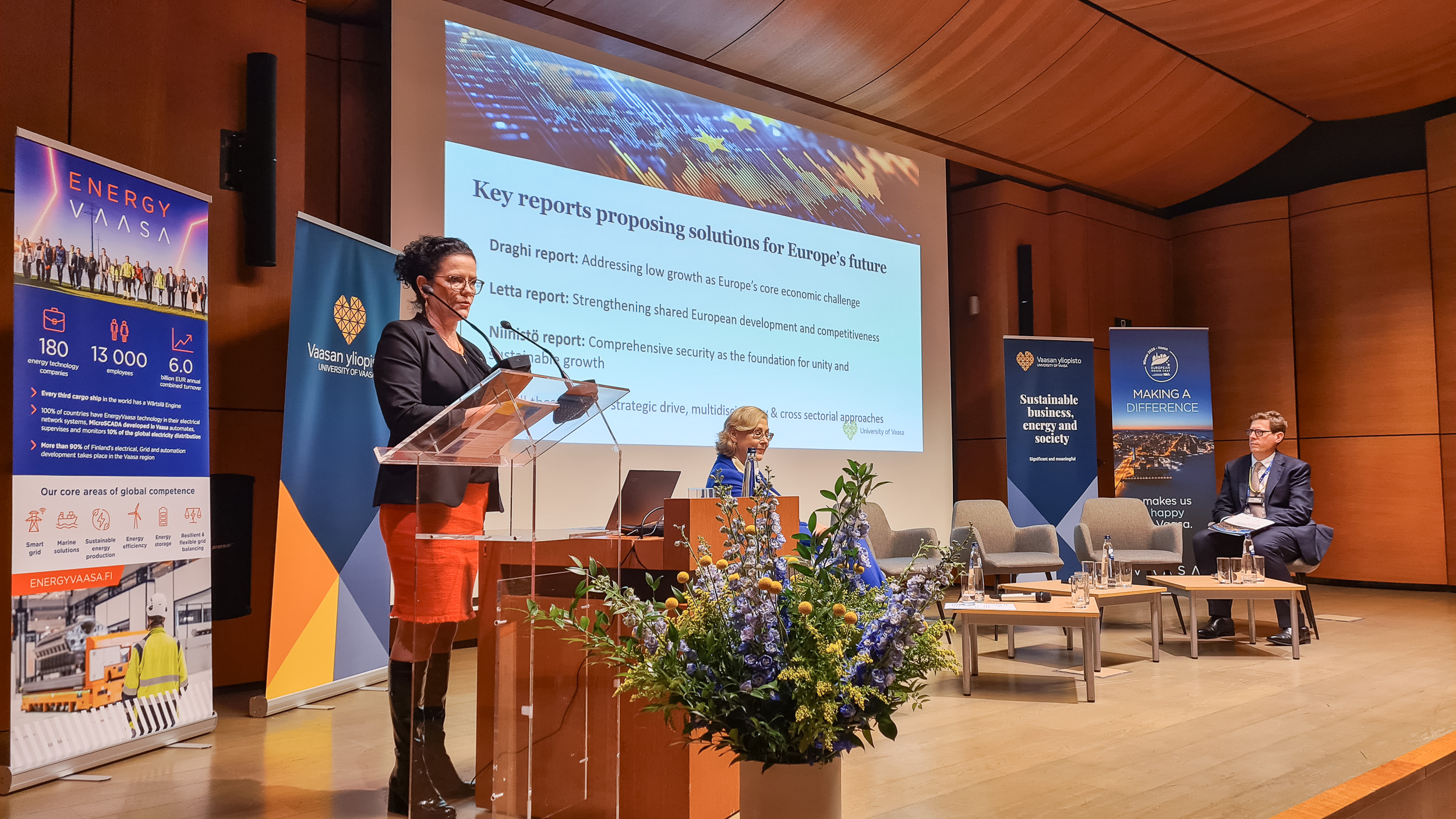
The conference Energy Transition & Comprehensive Resilience hosted by the University of Vaasa,will take place on Monday, November 3, 2025 at 14:00, at the Royal Academy of Sciences of Belgium in Brussels.
Europe and its democracies are facing significant challenges in these unstable times. The complexity of modern threats necessitates a departure from conventional approaches; we need to embrace innovative, out-of-the-box thinking with a strong focus on foresight. As contemporary issues evolve and traditional threats persist, this juncture presents a pivotal opportunity to enhance our capabilities in energy transition and system resilience.
To effectively counter global instability and systemic risks, a comprehensive approach is paramount—one that encompasses the whole-of-government and whole-of-society principles. This is essential for fostering comprehensive resilience, particularly in the energy sector, where integration of diverse perspectives and expertise is crucial.
The University of Vaasa and its partners have recently established a new multi-disciplinary Preparedness and Resilience research platform dedicated to exploring resilience, particularly through public-private partnerships and innovative solutions. This initiative highlights the critical local and regional dimensions needed for meaningful discussions surrounding energy transition and preparedness.
Time: Monday, November 3, 2025 at 14:00-18:15
Venue: "Palais des Académies" Royal Academy of Sciences of Belgium in Brussels, Rue Ducale 1, Brussels
Programme
Programme:
Registration: 13:00
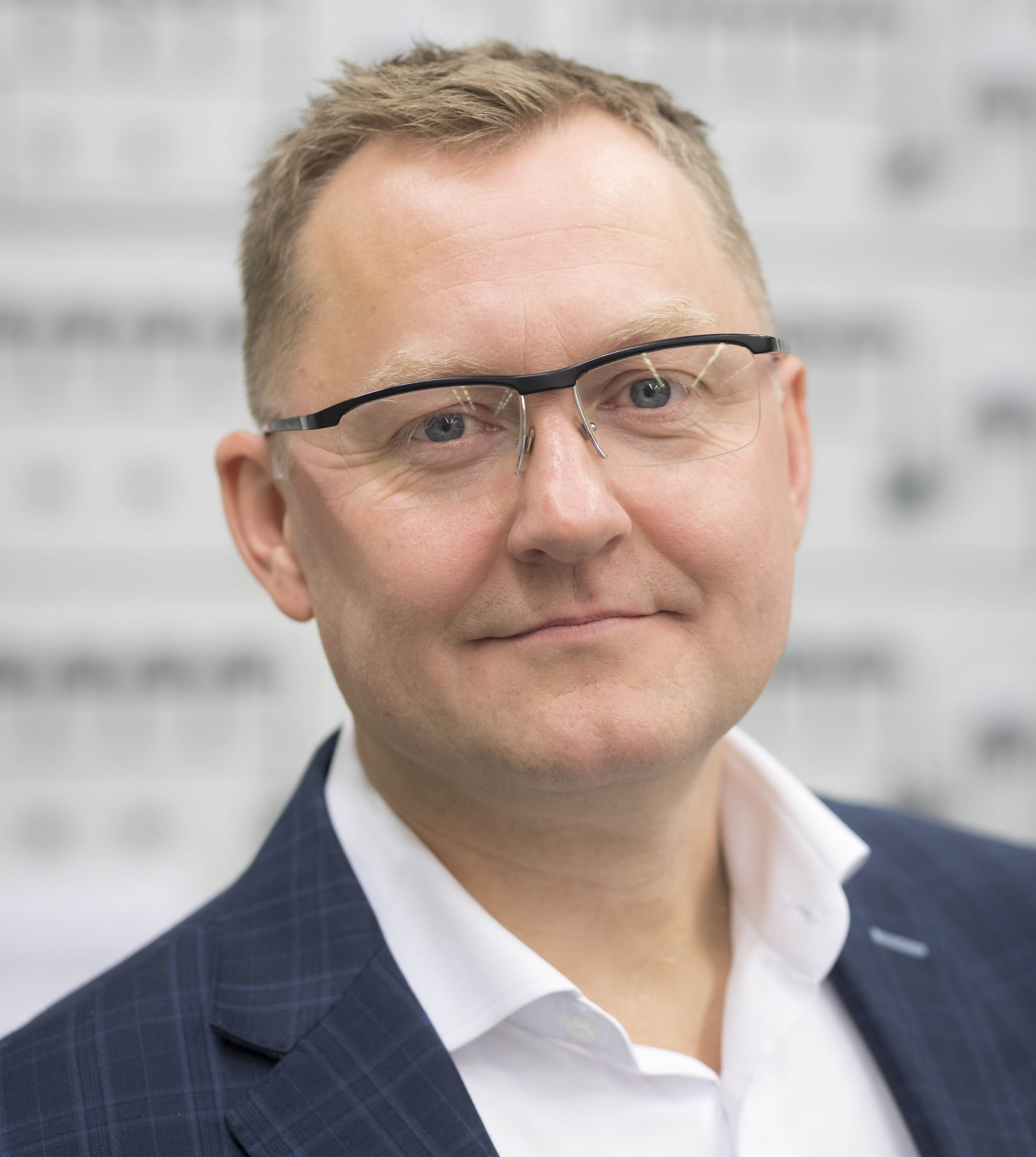
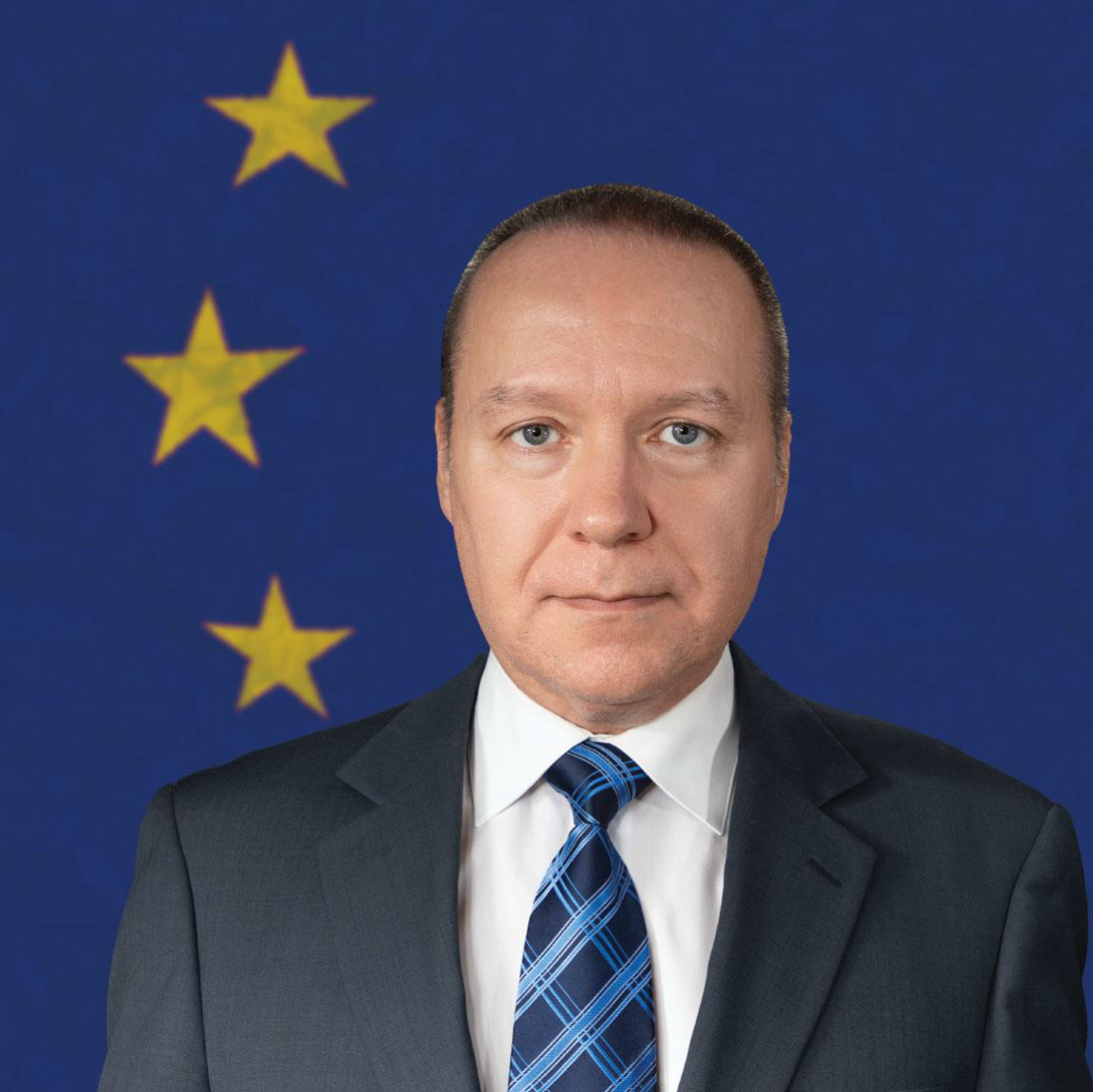
Facilitated by Philippe Vanrie, EU Senior Advisor - Brussels Representative, University of Vaasa.
| 14:00 | Opening & keynote addresses | |
| Minna Martikainen, Rector, University of Vaasa Signe Ratso, Deputy Director-General, Directorate General for Research and Innovation, EC Hugues Parmentier,Head of Unit for Strategy, Interinstitutional Relations & Security, DG DEFIS, EC | ||
| 14:45 | Panel discussion: Energy security, resilience and innovations | |
| Malin Östman, Vice-President Strategy & Business development, Wärtsilä Energy Georgios Giannopoulos, Head of the Space, Connectivity & Economic Security Unit, DG JRC, EC Adel El Gammal, Secretary General of EERA, European Energy Research Alliance Mónika Zsigri, Head of the Energy Security & Safety Unit, DG ENER, EC Knut Samdal, Vice-President Energy Research, SINTEF Moderated by Hanna Smith, Professor of Practice, University of Vaasa | ||
| 16:00 | Coffee & networking | |
| 16:30 | Panel discussion: Geopolitical realities and sustainability transformation | |
| Kari Renko, Executive Vice-President of Patria Corporation Johanna Sumuvuori, Director, EU Centre of Excellence for Civilian Crisis Management Suvi Aho, Strategy Manager, City of Vaasa Luciana Mendes, Global Business Developer for Water & Hydrogen, Alfa Laval Florin Urseanu, Adviser for Preparedness and the EU Integrated Political Crisis Response Moderated by Petri Uusikylä, Research Director, University of Vaasa | ||
| 17:45 | Conclusions & closing | |
Matthieu Delescluse,Head of Unit Research and Deployment Strategy and Programme Coordination, DG Connect, EC
| ||
| 18:15 | Reception & networking | |
| Kristoffer Jansson, Communications & Brand Manager, EnergyVaasa Andrea Barbagelata, SME Counsellor, ASD | ||
We reserve the right to make changes to the programme.
- Event summary
-
Europe and its democracies are facing significant challenges in these unstable times. The complexity of modern threats necessitates a departure from conventional approaches; we need to embrace innovative, out-of-the-box thinking with a strong focus on foresight. As contemporary issues evolve and traditional threats persist, this juncture presents a pivotal opportunity to enhance our capabilities in energy transition and system resilience.
To effectively counter global instability and systemic risks, a comprehensive approach is paramount—one that encompasses the whole-of-government and whole-of-society principles. This is essential for fostering comprehensive resilience, particularly in the energy sector, where integration of diverse perspectives and expertise is crucial.
The University of Vaasa and its partners have recently established a new multi-disciplinary Preparedness and Resilience research platform dedicated to exploring resilience, particularly through public-private partnerships and innovative solutions. This initiative highlights the critical local and regional dimensions needed for meaningful discussions surrounding energy transition and preparedness.
Energy security has emerged as a primary target for malign actors, further exacerbated by climate change and unpredictable global markets. While we have technical solutions at our disposal, there is an urgent need to innovate further and rethink our dependencies and interconnections in the energy landscape. Today, energy security must transcend technology; it is fundamentally intertwined with our broader economic and social resilience, as well as comprehensive security.
Economic growth and a secure business environment are essential for enhancing deterrence against emerging threats. However, hard security measures alone are insufficient. A thriving economy requires an atmosphere of trust, innovation, and entrepreneurial spirit—qualities that malign forces seek to undermine. By fostering stronger public-private partnerships and embracing a shared vision for the future, we can enhance our economic and energy resilience.
Innovative technological solutions are being developed daily, and while they enhance efficiency and everyday activities, they also introduce new vulnerabilities and challenges. We must leverage these technologies strategically to bolster both deterrence and resilience, particularly in the context of energy transition. The integration of artificial intelligence in foresight analysis, dependency mapping, and trend tracking will be critical in navigating this complex landscape and ensuring a resilient energy system.
Conference Highlights: The conference will feature a mix of public and private, Finnish and European speakers and panellists, including industry leaders, universities, policymakers, and EU officials. Participants will gain fresh insights, hear perspectives from top-level experts, and have the chance to discuss directly with decision-makers shaping Europe’s energy and security agenda. The event also offers excellent opportunities for networking and building new partnerships across sectors.
- Event content
-
The programme of the conference
Opening & keynote addresses
The conference will be officially opened by the President of the University of Vaasa, Rector Minna Martikainen. In her opening remarks, she will highlight the importance of accelerating Europe’s efforts to become a global leader in the energy transition – driven by strong public and private investments, excellent research teams and technological infrastructures, and a collaborative, multi-stakeholder ecosystem approach. Signe Ratso, Deputy Director-General of DG RTD, will outline how the European Union is providing the strategic vision, policy framework and financial instruments to catalyse this transition towards decarbonisation and enhanced economic competitiveness.
Achieving and strengthening Europe’s sustainable prosperity requires advancing technological sovereignty and ensuring that comprehensive security systems and resilience mechanisms are firmly in place. This is particularly relevant for the global energy sector and should also include comprehensive preparedness aspects. Timo Pesonen, Director-General of DG DEFIS, will share the EU perspective on how security and defence, technology and autonomy, as well as societal, industrial and energy resilience, come together to reinforce Europe’s long-term resilience and competitiveness.Panel discussions:
Energy security, resilience and innovations
The discussion focuses on how societies can strengthen energy security and resilience in the face of global disruptions such as the pandemic, geopolitical conflicts, climate change and rapid technological change. It explores how to secure energy systems and supply while promoting economic growth and innovation.
The panel gathers perspectives from Wärtsilä, SINTEF, the European Commission’s Joint Research Centre and DG Energy, as well as the European Energy Research Alliance. With participants representing both policy and industry, the discussion highlights the need for new kinds of innovation – not only technological, but also legal, structural and organisational – and considers how public and private actors can work more effectively together to build a resilient energy future.
Geopolitical realities and sustainability transformation
This panel focuses on the profound impacts of geopolitical uncertainty and the transformation towards sustainability and resilience at European, national and local levels. It considers how Europe can align preparedness goals with sustainable development and the energy transition, while managing the effects of shifting alliances, political instability and ecological crises.
Participants represent defence, diplomacy, local governance and international business, with insights from Patria Corporation, the EU Centre of Excellence for Civilian Crisis Management in Berlin, the City of Vaasa, Alfa Laval, and Conflict Management Consulting in Vienna. The discussion highlights the importance of effective crisis management frameworks and broad collaboration among governments, companies and civic actors, aiming to inspire strategies that strengthen societal resilience and support both security and long-term transformation.
Conclusions & closing
The conference will end by emphasizing the critical role of digital technologies and transformation in the journey of energy transition towards improved comprehensive resilience. DG Connect will highlight some of the strategic EU priority areas, highly relevant to energy transition, such as AI, BlockChains, Cloud Computing, HPC and Quantum Computing, and of course Cybersecurity. Before the conclusion address, the role of the deeptech start-ups and scale-ups, and highly innovative firms, as providers of novel solutions, new frontier concepts, and disruptive business models, for the energy transition actors, often in open collaboration with tech industry leaders and VCs, will be re-affirmed by the Director of the European Innovation Council (EIC). - Speakers
-
Event facilitated by Image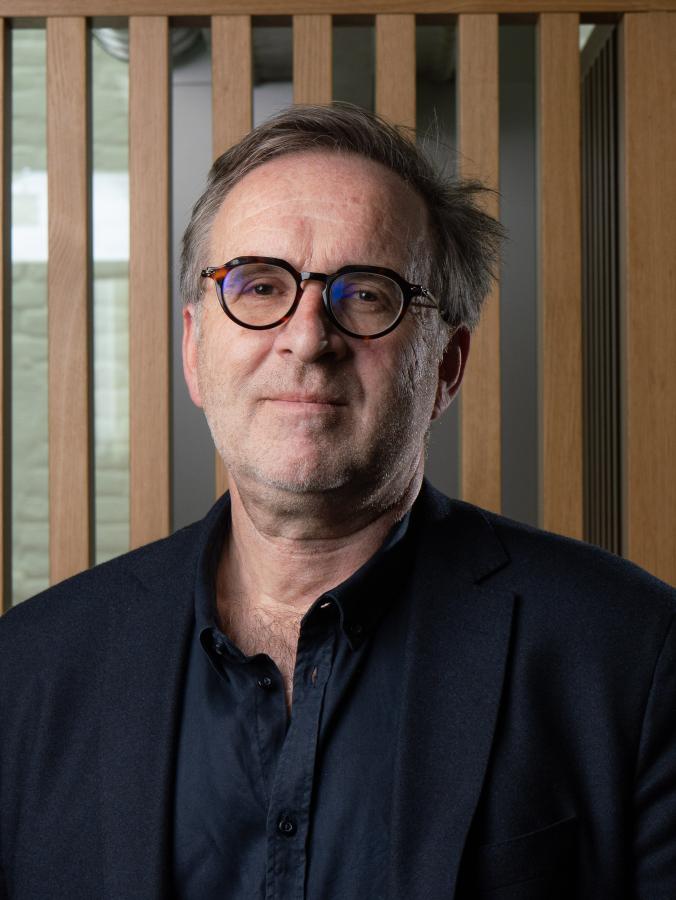
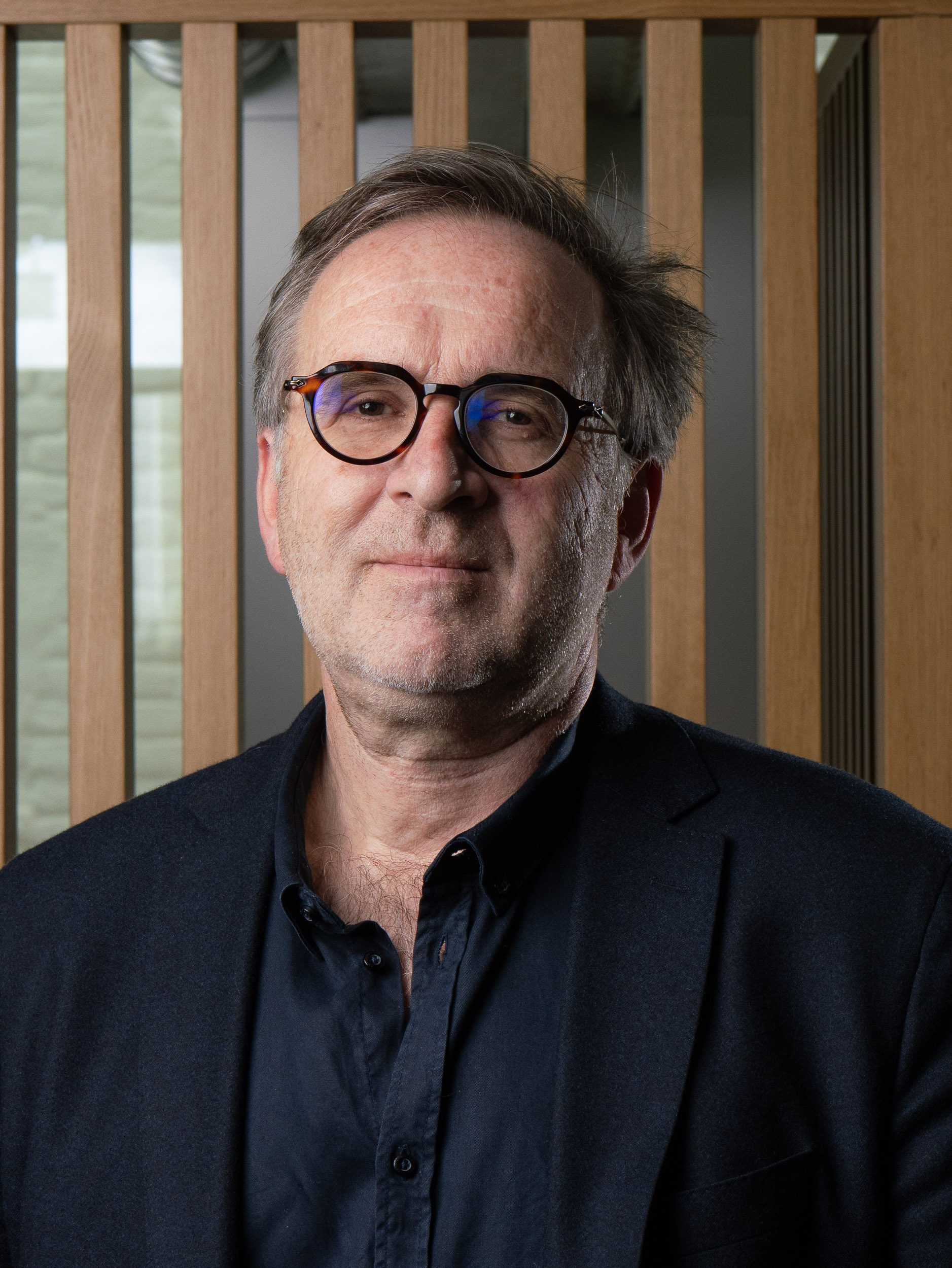
Philippe Vanrie
EU Senior Advisor - Brussels Representative, University of VaasaEngineer by education, Philippe currently works as Senior EU Advisor & Brussels representative for the University of Vaasa (FI), and as Investment Manager for the Noshaq Investment Fund (BE). He regularly collaborates with Mecatech, the Walloon Advanced Manufacturing Cluster, and with Deloitte Belgium on various EU inititives. He recently chaired the Horizon Europe Mutual Learning Exercise on Knowledge Valorisation (EC).
During 25+ years, Philippe was CEO of two European Innovation Networks: EBN (the European Network of Business & Innovation/Incubation Centers), and EUREKA (the inter-governmental Innovation Network developing publicly-funded mechanisms for highly-innovative SMEs).
Opening & keynote addresses Image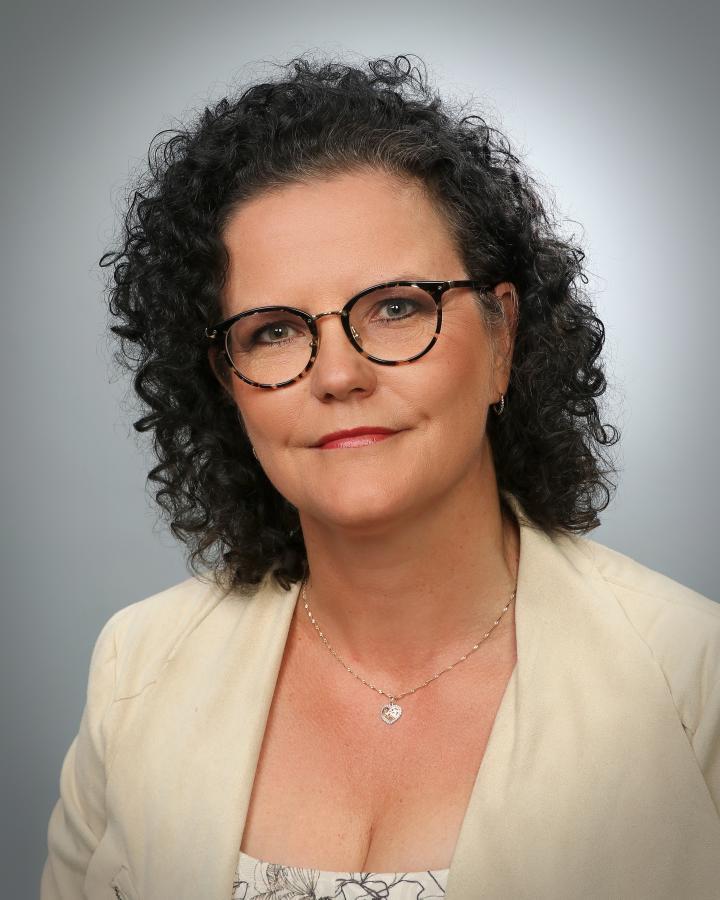
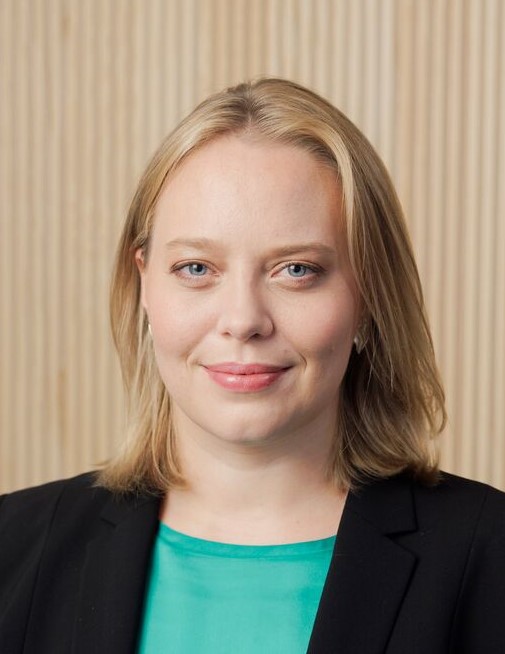
Minna Martikainen
Rector, University of VaasaMinna Martikainen is the rector of university of Vaasa since 2024. She has previously worked as the vice-rector responsible for research at the University of Vaasa. Before this, she worked as a professor of financial accounting and dean for education at Hanken School of Economics (Finland). Martikainen has also worked as a professor at Aalto University School of Business, vice-rector for international affairs and professor of business finance and accounting at Lappeenranta University of Technology (LUT), researcher at the University of Vaasa, and visiting researcher at Louisiana State University, USA. In addition, Martikainen has extensive experience in the business sector through board memberships and expert assignments.
Image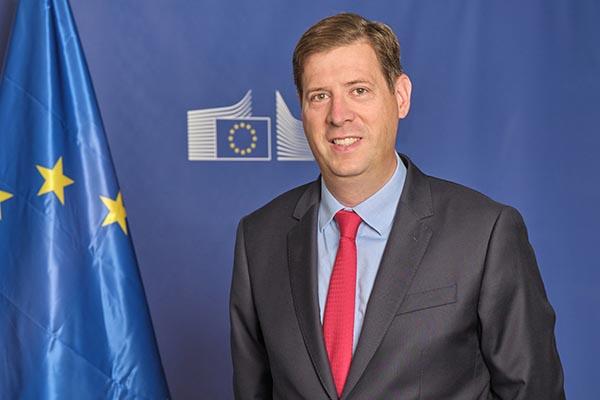
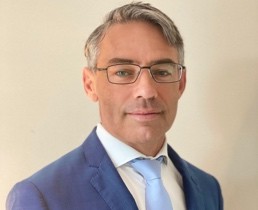
Hugues Parmentier
Head of Unit 01 – Strategy, Interinstitutional Relations and Security, European Commission, DG DEFISHugues Parmentier is Head of Unit 01 – Strategy, Interinstitutional Relations and Security at the European Commission's Directorate-General for Defence Industry and Space (DG DEFIS), a position he assumed in April 2025. From 2022 to 2025, he served as Assistant to the Director-General of DG DEFIS and Head of Sector "Security of Information".
Prior to joining DG DEFIS, Mr. Parmentier served in different DGs of the European Commission (DG Competition 2016-2022, DG Financial Stability, Financial Services, and Capital Markets Union 2013-2015, and DG Internal Market 2011-2013).
Mr. Parmentier began his career as an attorney with Gide Loyrette Nouel in Brussels (2007-2011) and Darrois Villey Maillot Brochier in Paris (2005-2006), specializing in competition and internal market law.
He is a graduate of HEC Paris, holds a PhD in Law from University Paris-Est, and degrees from King's College London and Sorbonne University in law and history. He also studied at Sciences-Po Paris and was an Auditor of the European Session for Armament Representatives (SERA) at IHEDN.
Image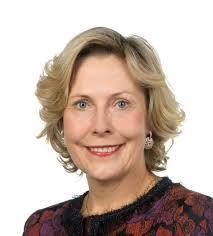
Signe Ratso
Deputy Director-General, European CommisssionSigne Ratso is Deputy Director-General and a member of the Management Board of the Directorate General for Research and Innovation of the European Commission. She is the Chief negotiator for Horizon Europe Association. She is also responsible for Open Innovation and for citizens’ engagement in research and innovation policy and for overall coordination on international cooperation.
Panel 1 Energy security, resilience and innovations Image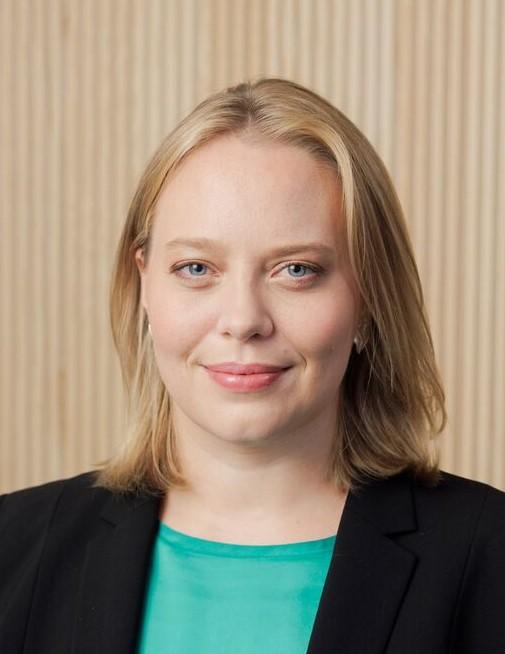
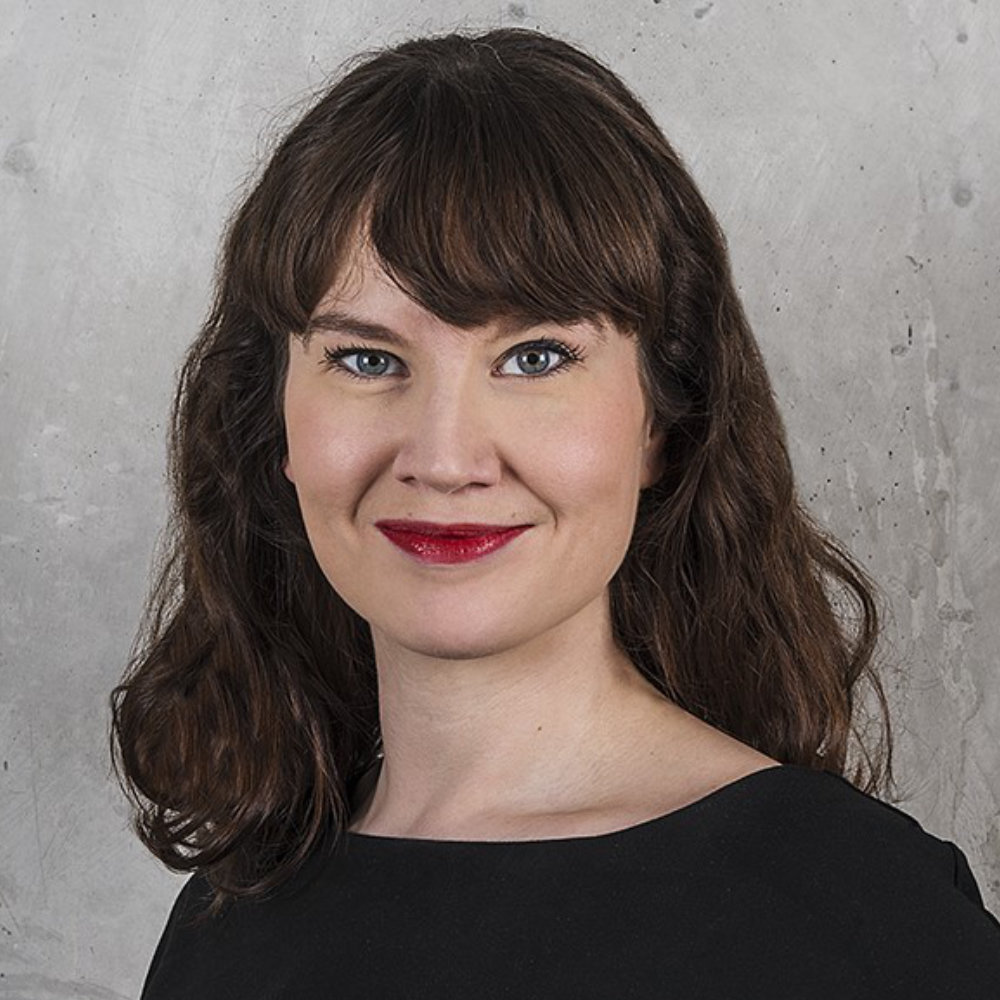
Malin Östman
Vice-President Strategy & Business development, Wärtsilä EnergyMalin is leading Wärtsilä Energy's global strategy and growth, and heading functions including strategy and business intelligence, innovation, digital development, power system modelling, and marketing & communications. Since joining Wärtsilä in 2013, Malin has been in market-facing development and leadership roles, working with project development, market entry, content creation and advocacy, strategy execution, growth strategy, and business model innovation. In her earlier career Malin worked as a management consultant with The Boston Consulting Group. Malin holds a M.Sc. in Industrial Engineering and Management from Aalto University.
Image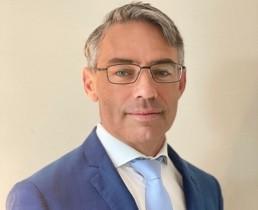
Georgios Giannopoulos
Head of the technologies for space, security and connectivity unit, JRC
Mr. Georgios Giannopoulos holds a degree in Mechanical and Aeronautical Engineering, a PhD in Engineering from Vrije Universiteit Brussel and the Royal Military Academy of Belgium and a Management degree from Solvay Brussels School in Economics and Management.He is currently the Head of the Technologies for Space, Security and Connectivity Unit working on security related topics such as critical infrastructure risk and resilience, CBRNE Hybrid Threats, Galileo and 5G applications and he is also the Deputy Director of the Space, Security and Migration Directorate at the Joint Research Centre of the European Commission.
He is the author of more than 50 publications and book chapters and he has trained officials in several European countries in order to support their efforts on improving the protection of their technological systems and critical infrastructures as well as countering Hybrid Threats.
Image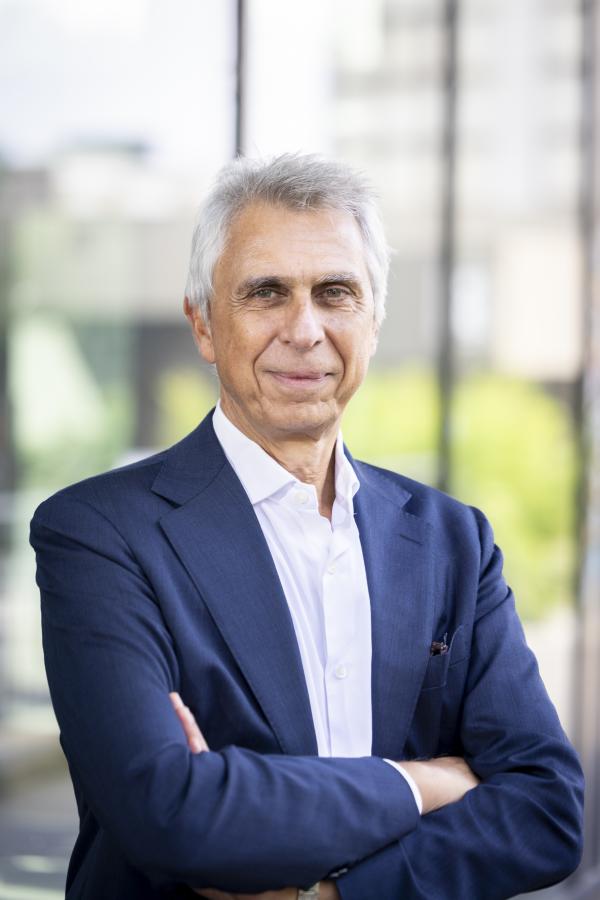
Adel El Gammal
Secretary General, EERAAdel is secretary general of the European Energy Research Alliance (EERA), professor of Energy Geopolitics at the Free University of Brussels (U.L.B.) and fellow expert at Veblen Institute for Economic Reforms. He is member of The Club of Rome EU Chapter. He is a recognized international expert in the fields of geopolitics of energy, energy policy and clean energy transition, in
Europe and in the context on international climate negotiations. Adel regularly speaks and writes in national and international media and is a regularly invited keynote speaker at leading
international energy conferences. He authored several reference studies on the Clean Energy Transition and leads EERA advisory activities to the European Commission pertaining to its Climate/Energy strategy and more recently to EU’s response to the fast geopolitical
transformation.
Beyond geopolitical and techno-economic aspects, he focuses on the societal dimension of the energy transition and to the compatibility of our growth model with the planetary boundaries. He is member of several strategic advisory boards (public and private sectors) as international expert on the energy, and its related impacts on environment, water and biodiversity. Adel holds a master’s degree in engineering from Ecole Polytechnique de Bruxelles (U.L.B), graduated in Business Administration from Solvay Brussels School of Economics and Management (U.L.B.) and INSEAD (France) and in environment management (U.L.B.).
Specialities: Climate Change, Clean Energy Transition, Sustainable Development Goals, Geopolitics, Marco-economics, Natural Resources, Low carbon technologiesImage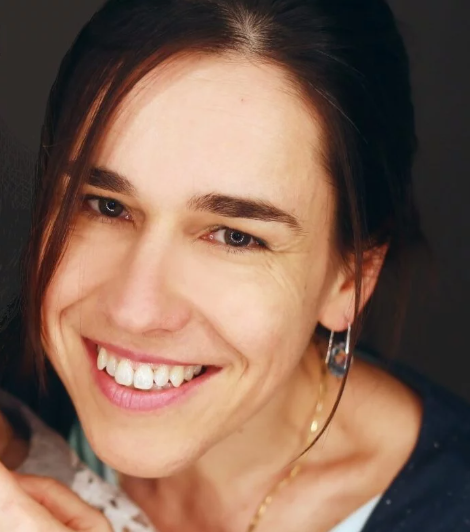
Mónika Zsigri
Head of the Energy Security & Safety Unit, DG ENER, European Commission
Mónika Zsigri works for the European Commission as Head of Unit of Energy Security and Safety. Previously she was Head of Unit in the Energy Platform Task Force, focusing on joint purchasing of gas and international outreach in support of the EU’s diversification strategy. She has experience of over a decade on different aspects of EU energy policy, including the reduction of methane emissions, LNG and storage, as well as energy security, energy infrastructure and regional cooperation. In the past, she has worked in the area of cohesion policy in support of the twin transition to a green and digital economy. Before joining the Commission, as management consultant, she worked on different assignments in the energy and telecommunications sectors helping clients optimizing their business processes or developing successful business strategies.
Ms Zsigri holds a Master’s degree in Business Administration.Image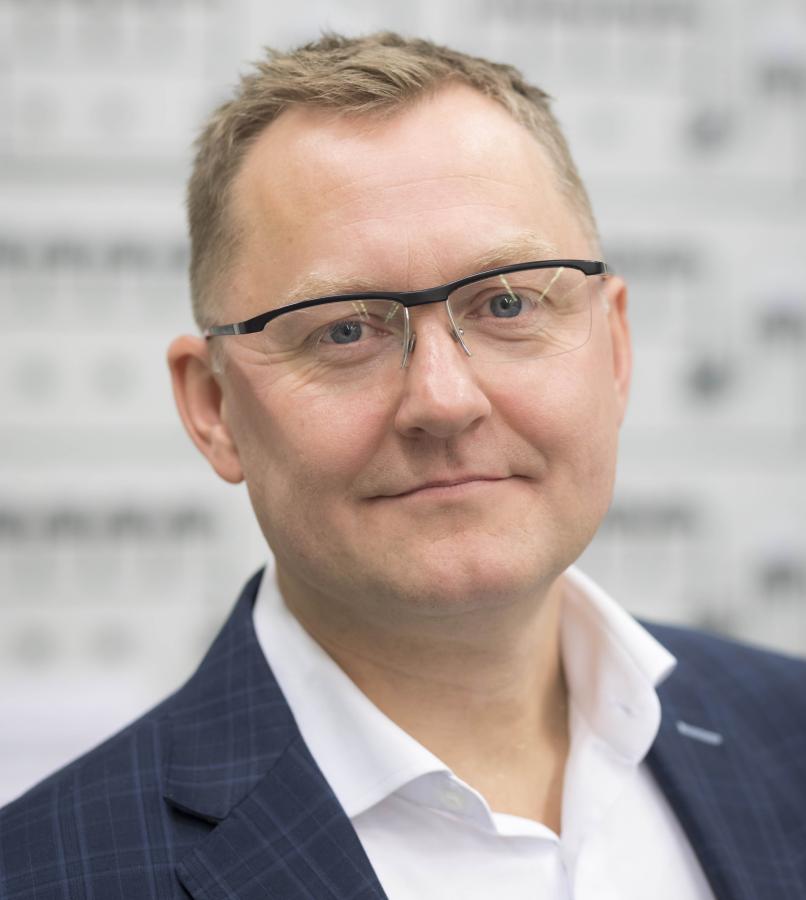
Knut Samdal
Vice-President Energy Research, SINTEF, Norway
Knut Samdal is Vice President Research at SINTEF Energy, dedicated to strengthening European collaboration and influence in energy research and innovation. Based in Brussels, he focuses on energy security, the green transition, and the shaping of EU programs such as Horizon Europe and FP10.He holds two master’s degrees from NTNU: one in Electrical Power Engineering and another in Organization and Management. With more than 20 years of leadership experience, including 15 years as Research Director for the Energy Systems department at SINTEF Energy, Knut has led a team of 100+ full time professionals in developing and delivering large-scale programs on power systems, renewable energy integration, transport electrification, and smart grids. Throughout his career, he has built strong partnerships with industry, academia, and policymakers to advance sustainable energy solutions.
Image
Hanna Smith
Professor of Practise, University of Vaasa
Dr Hanna Smith is Professor of Practice in preparedness and resilience research at the University of Vaasa. She is an internationally recognised expert on hybrid threats, Russia, and security policy. In addition to her university role, she works as Senior Strategic Adviser at the Organisation for Security and Co-operation in Europe (OSCE).Before joining the University of Vaasa, Smith served as Director of Research and Analysis at the European Centre of Excellence for Countering Hybrid Threats (Hybrid CoE) and held several positions at the University of Helsinki’s Aleksanteri Institute. She holds a Doctor of Social Sciences degree from the University of Helsinki and a master’s degree from University College London.
Panel 2 Geopolitical realities and sustainability transformation Image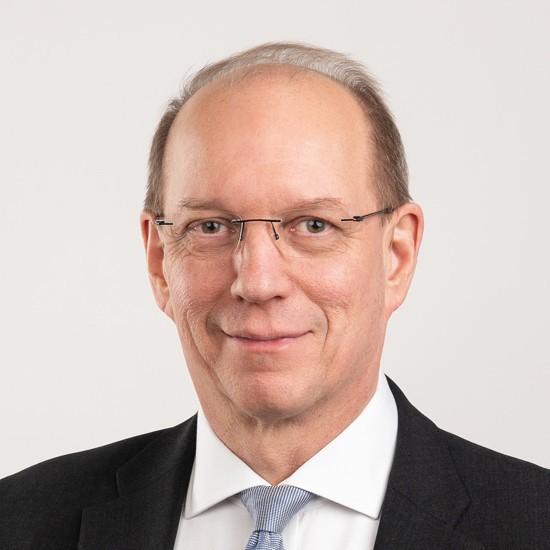
Kari Renko
Executive Vice-President of Patria Corporation
Major General (Eng.) Kari Renko retired from the position of the Chief of the Finnish Defence Forces Logistics at the end of June 2022. He has had a prominent career in various positions in the Finnish Defence Forces, in particular in the Finnish Air Force, both in Finland and in the U.S. In addition to the Finnish Defence Forces Logistics Command, Kari Renko has held management positions at the Air Force Materiel Command, Air Force Headquarters and Karelia Air Command as well as he has served as Deputy Defence Attaché in Washington D.C. Kari Renko has a Master of Science in aeronautical engineering.Image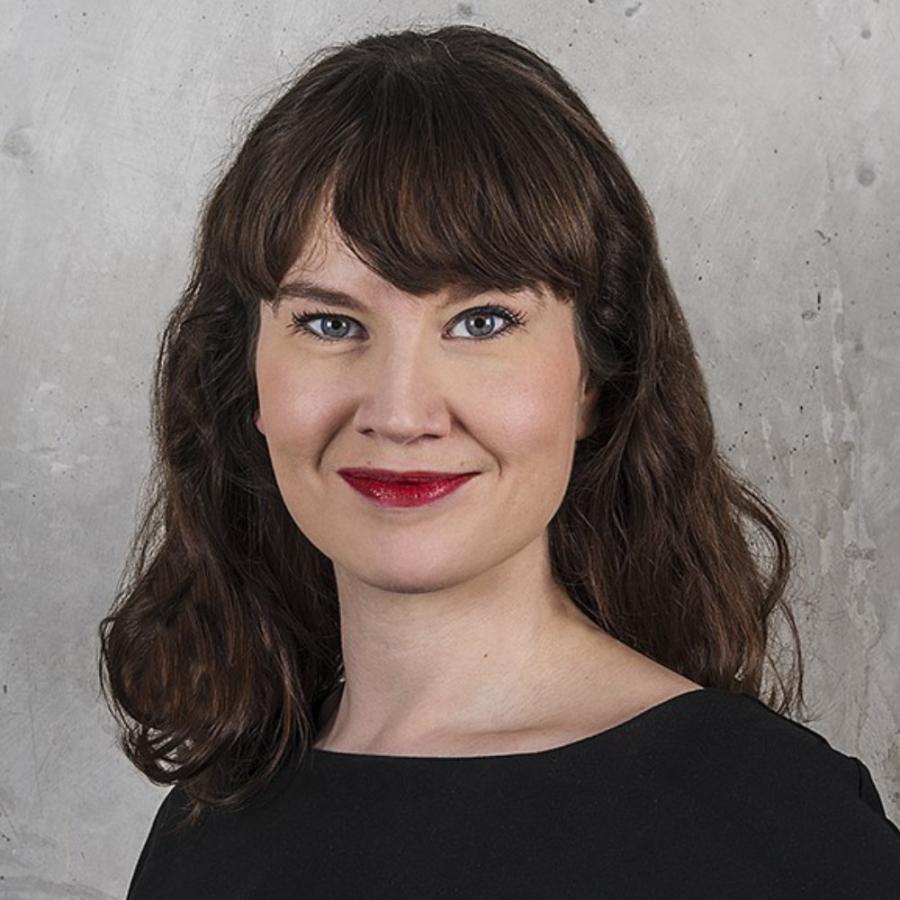
Johanna Sumuvuori
Director, European Centre of Excellence for Civilian Crisis Management
Johanna brings over two decades of expertise in international affairs, policy making, and diplomacy. Her extensive experience includes serving as State Secretary to the Minister for Foreign Affairs of Finland and as Senior Advisor at the United Nations Population Fund (UNFPA) in New York. She has also held leading positions in civil society organisations focused on peace and security. Her prior experience includes roles as a Member of the Finnish Parliament and Helsinki City Councillor, as well as positions at the Finnish Embassy in London and the Finnish Institute in the UK and Ireland.Image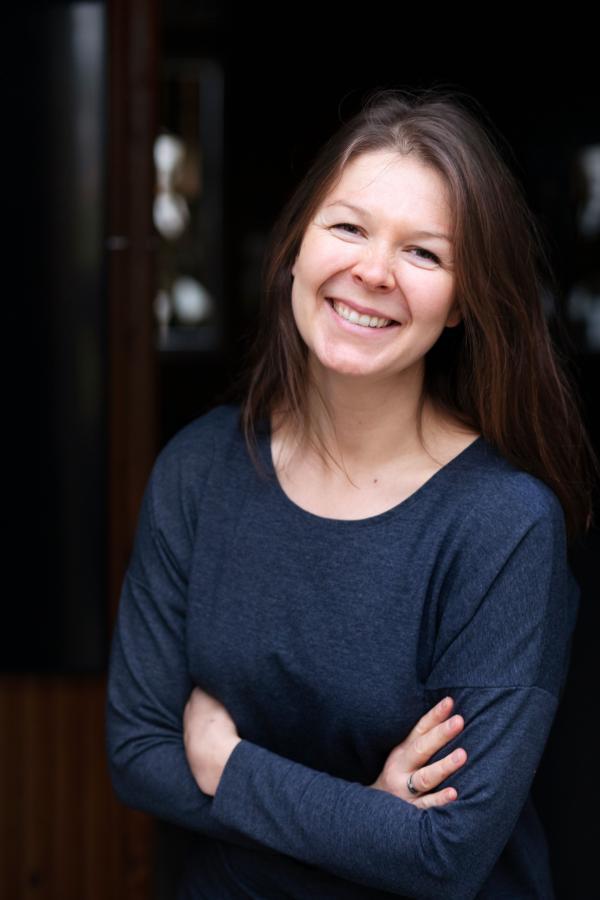
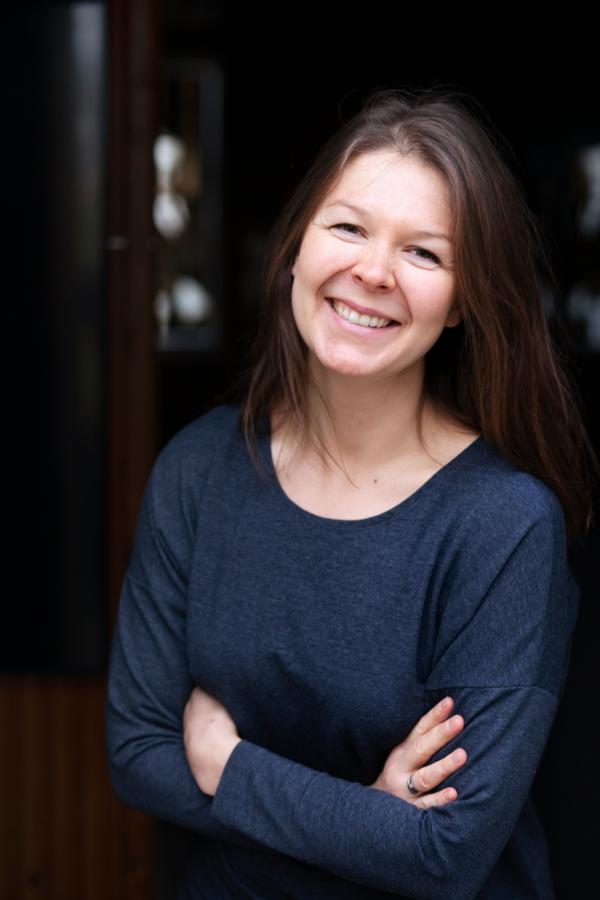
Suvi Aho
Strategy Manager, City of Vaasa
With 14 years of experience in co-creation, network leadership, citizen engagement, EU and project financing, and sustainable urban and rural development, she serves as the Strategy Manager for the City of Vaasa. She is passionate about building ecosystems and driving the urban energy transition.Image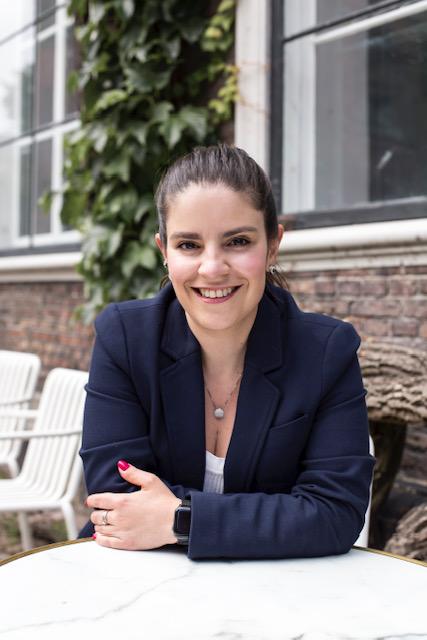
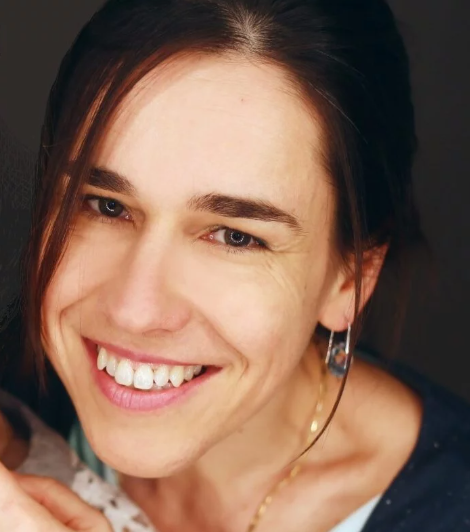
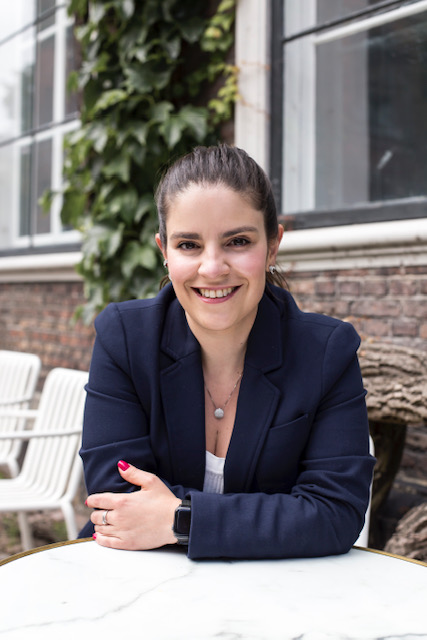
Luciana Mendes
Global Business Developer for Water & Hydrogen, Alfa Laval, Copenhagen
With over 14 years of experience in industrial application, including water solutions for Offshore Energy and Green Hydrogen, I have been dedicated for the last 5 years to advancing sustainable and innovative technologies. I focus most of my time on optimizing already existing water solutions to support strategic objectives for sustainable energy development.Image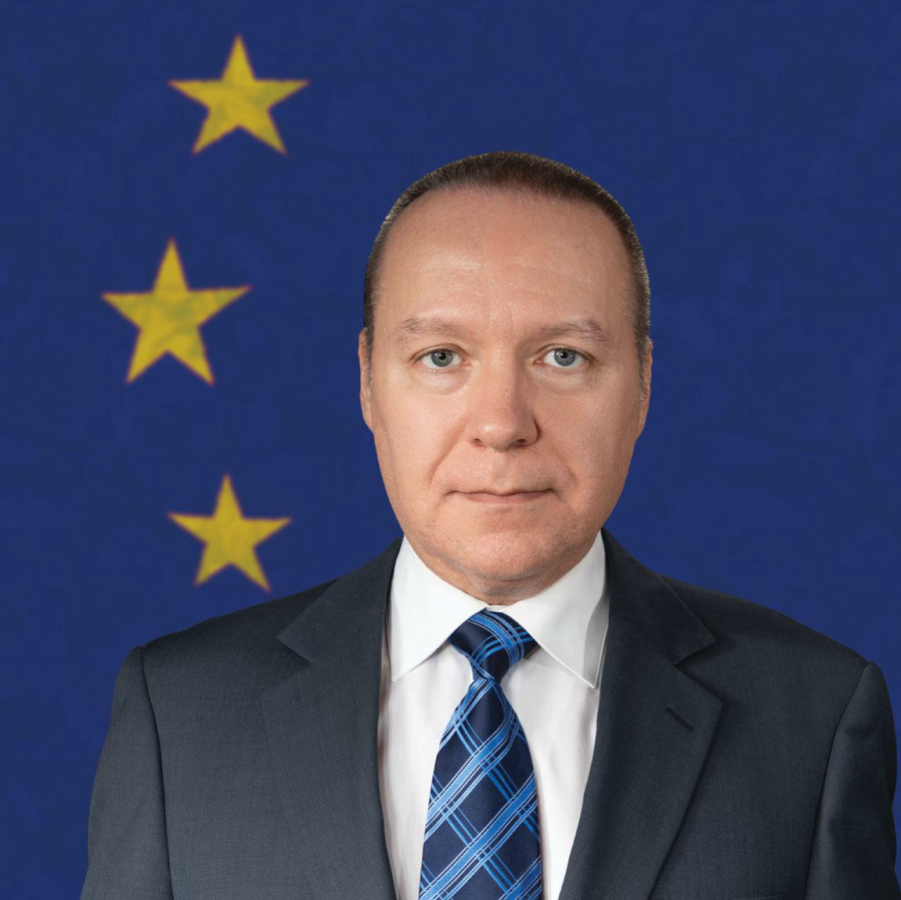
Florin Urseanu
Adviser for Preparedness and the EU Integrated Political Crisis Response
Florin Urseanu is the Adviser for Preparedness and the EU Integrated Political Crisis Response in the Secretariat-General of the European Commission. He has been working for the European Commission for more than 20 years and had the chance to serve in several Directorates-General on different positions. In his current and previous positions, he has been dealing with the coordination of the EU’s response to major cross-sectoral crises, including migration, COVID-19, Russia’s war of aggression on Ukraine, or the situation in the Middle East. He represents the European Commission in the Integrated Political Crisis Response arrangements and the Ad-hoc Working Party on preparedness, response capability and resilience to future crises of the Council of the EU. He is also overseeing the internal crisis response coordination mechanism of the European Commission.Image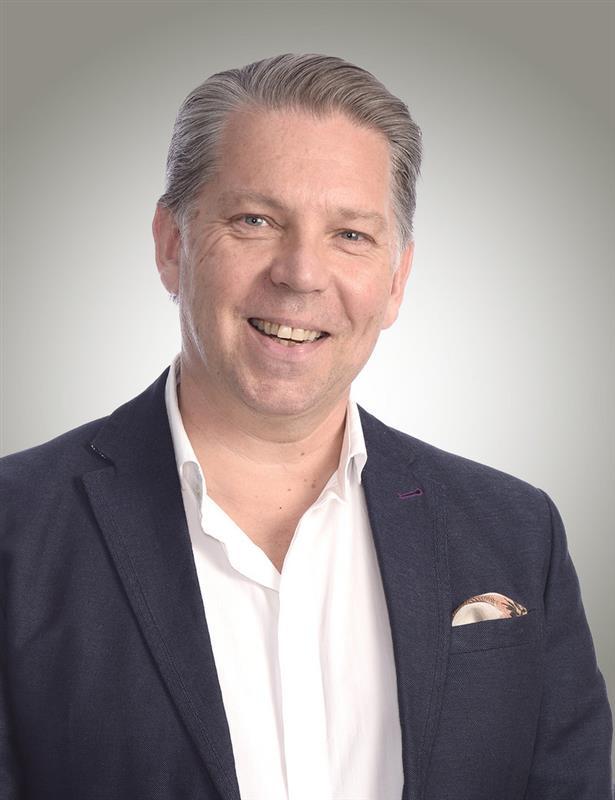
Petri Uusikylä
Research Director, University of Vaasa
Petri Uusikylä is Research Director at the University of Vaasa, Adjunct Professor at the University of Eastern Finland in the field of legislation and legislative policy research. He is coordinating the Preparedness and Resilience Research Platform at the University of Vaasa. Previously, Dr. Uusikylä has worked as Senior Advisor at the Finnish Ministry of Finance, as EU Twinning Adviser (law harmonisation and public management reforms) in Latvia, Lithuania, Poland, the Czech Republic, Georgia and government policy adviser to several other countries. He is also a Board Member of the Finnish Evaluation Society and former President of the IIAS/Finnish Section. Dr. Uusikylä has over 25 years of experience in evaluation and applied social science research. He has a comprehensive list of publications in the fields of comprehensive security, resilience,legislative process, innovation policy, public budgeting, policy evaluation and European Union policy-making and public managements reform. His new book co-edited together with Professor Harri Jalonen and Professor Annukka Jokipii “Information Resilience and Comprehensive Security - Challenges and Complexities in Wicked Environments” was published in December 2024 by Palgrave Macmillan.Conclusions & closing Image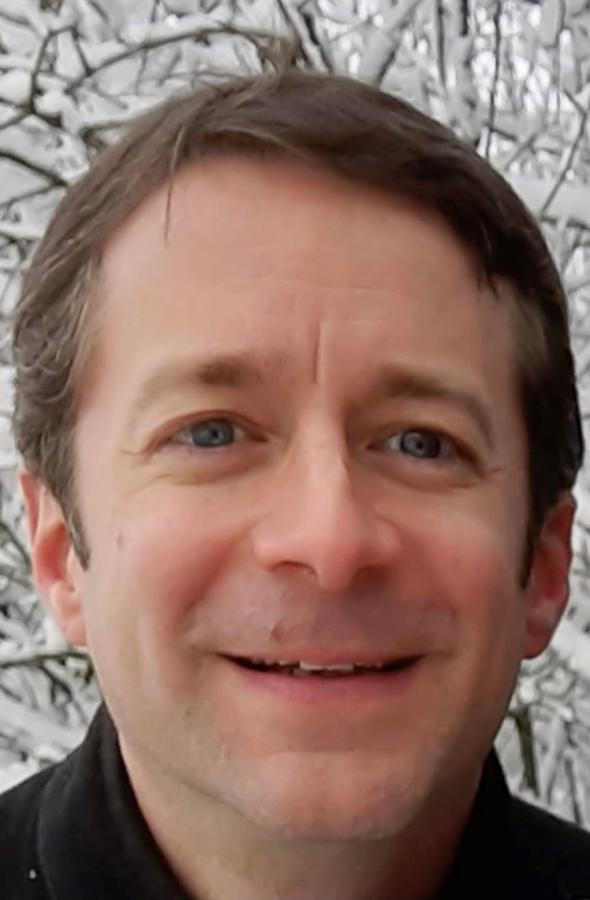
Matthieu Delescluse
Head of Unit Research and Deployment Strategy and Programme Coordination, DG CNNECT, EC
Matthieu Delescluse is currently Head of the Unit ‘Research and deployment strategy and programme coordination’ in DG CNECT, European Commission. His unit coordinates the preparation of the Work Programmes for Horizon Europe and Digital Europe. His unit is also involved in the preparation of the next Multiannual Financial Framework and in the EU’s Economic Security Strategy. Before that, Matthieu worked in the electronic communications sector in DG CNECT, in particular on the abolition of the roaming surcharges in the EU. He holds a PhD in Neurosciences.Image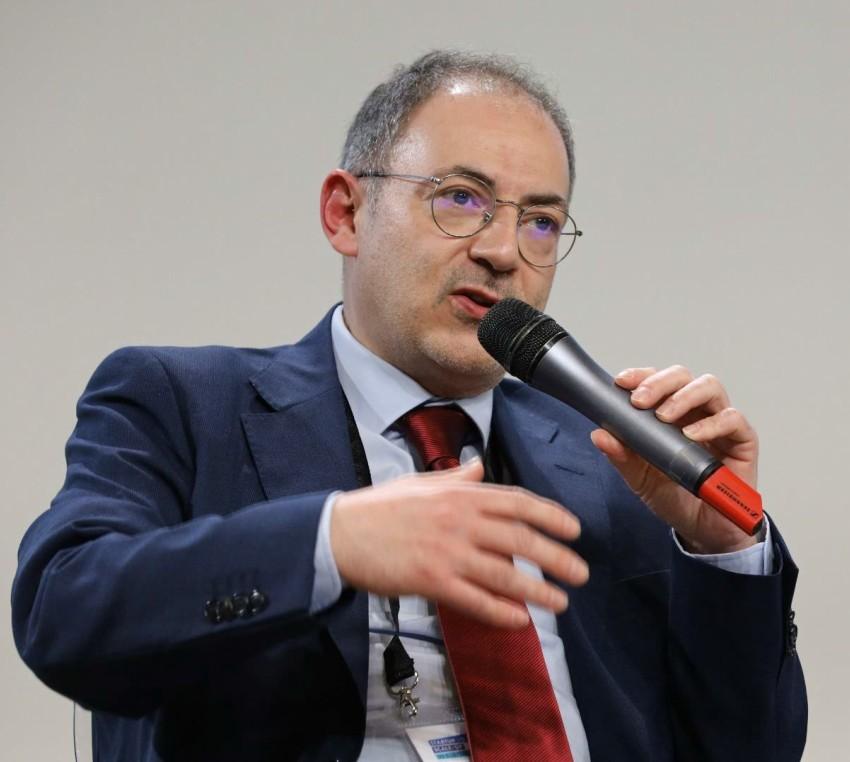
Stéphane Ouaki
Head of the European Innovation Council (EIC) and acting Director, EISMEA
Stéphane Ouaki, the Head of Department of the European Innovation Council (EIC) and the Acting Director in the European Innovation Council and SMEs Executive Agency. In his role, he ensures
effective and efficient implementation of the EIC from the emergence of new technologies having the potential to generate game changing innovation up to the scaling up of deep-tech enterprises (mainly startups and SMEs).
Previously, he was the head of unit for Financial Instruments in DG Research and Innovation at the European Commission. Before joining DG R&I, he was the head of unit for the Connecting Europe Facility and investment strategies in DG MOVE. Beforehand, he was Deputy Head of Cabinet of
Commissioner Vladimír Špidla, responsible for employment, social affairs, and equal opportunities (2004-2010). Previously, he was part of the Commission’s team negotiating with the Czech Republic its terms of accession to the EU (2001-03), and then moved on to be part of the team coordinating the enlargement strategy (2003-04).Image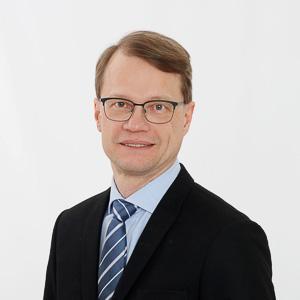
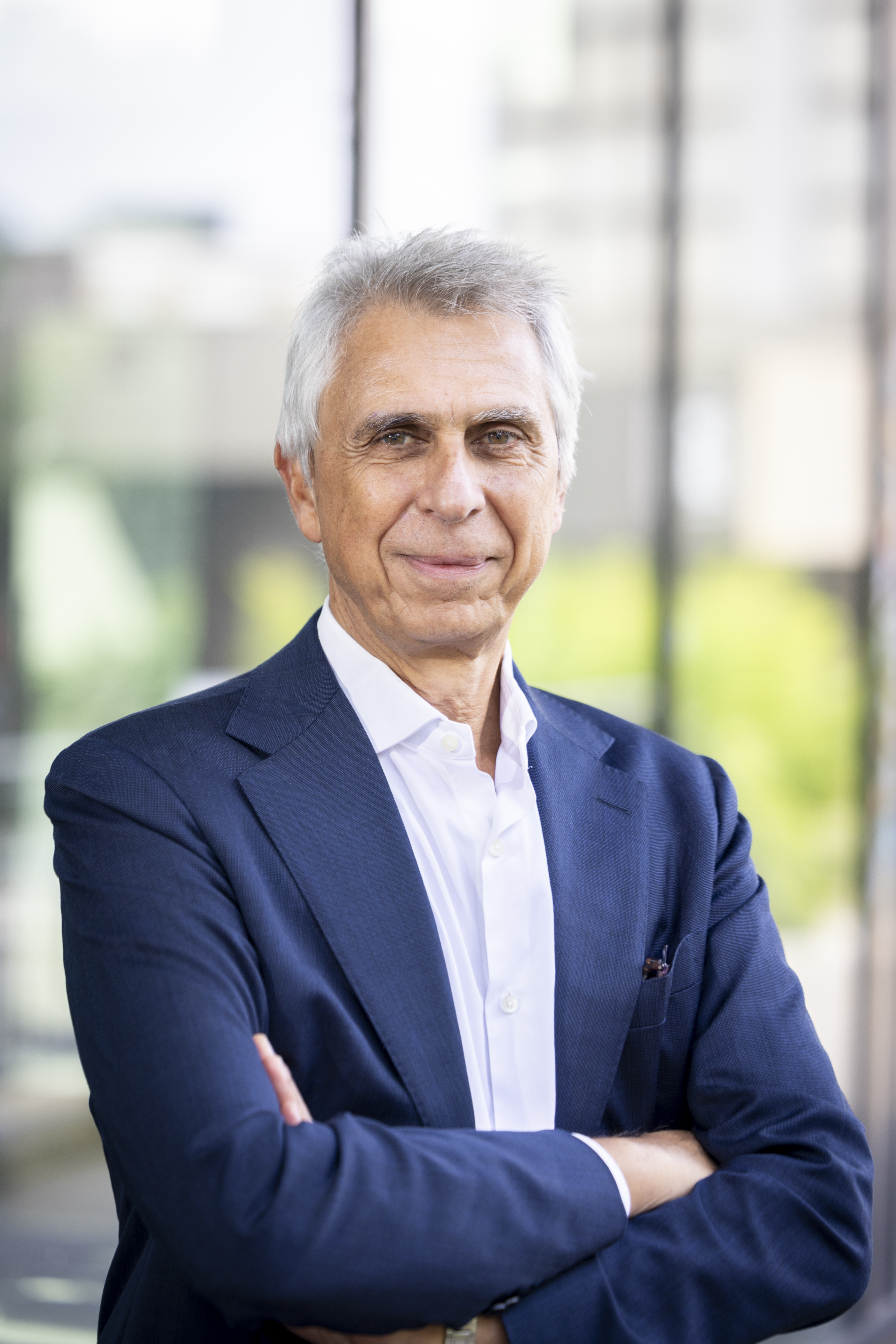
Mika Grundström
Vice-rector, University of VaasaThe vice-rector of research at the University of Vaasa is Ph.D. Mika Grundström.Grundström has a doctorate in engineering, and his main area of focus is telecommunications technology and signal processing.
The vice-rector of research is responsible for the strategic development of research, innovation and commercialisation activities, and doctoral education. He promotes the principles of responsible and open science, international research activities and the international and national development of research funding. He actively follows the research policy and related legislation and is responsible for their implementation at the university. The vice-rector also actively represents the university in national and international research networks. The vice-rector acts as the rector's deputy and is a member of the university's management team.
Reception & networking Image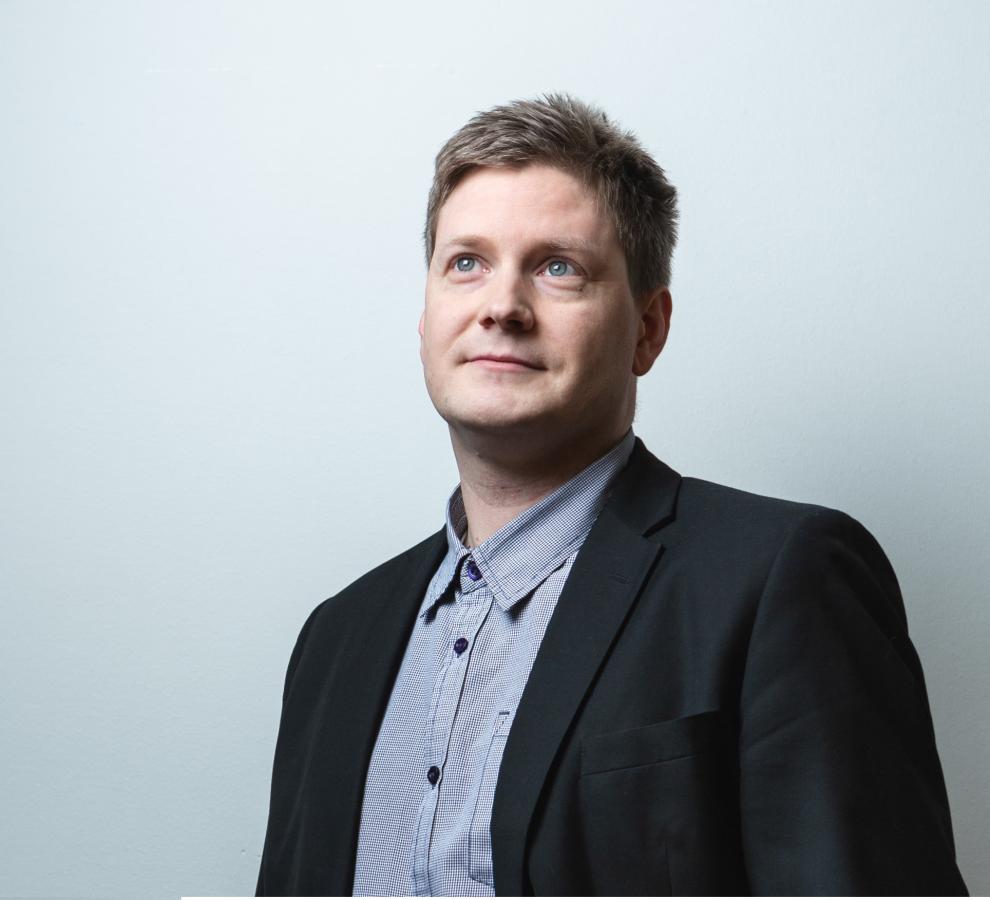
Kristoffer Jansson
Communications & Brand Manager, EnergyVaasa & VASEK
Kristoffer is responsible for the marketing of the energy cluster in Vaasa, the Nordic Energy Capital. He is also the main organizer of EnergyWeek, an international annual energy networking event.Image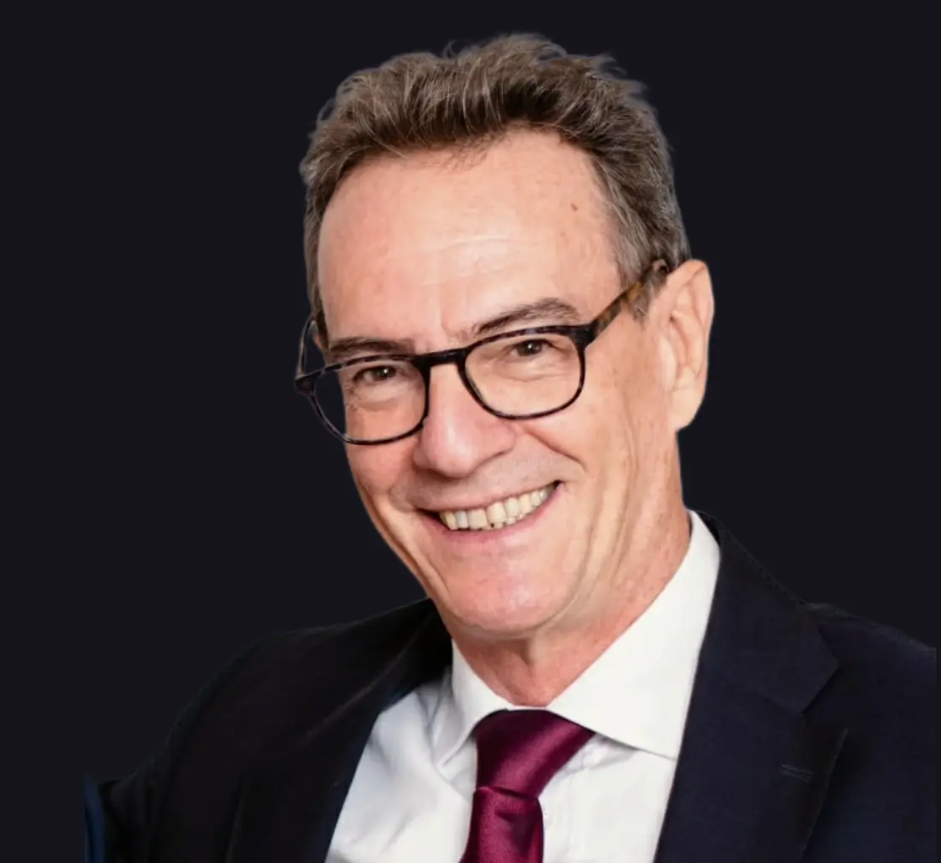
Andrea Barbagelata
SME Counsellor, ASD
Andrea has a long-standing track record in the fields of aerospace, defence and security, both in Europe and in the Middle East. He has an engineering degree from the University of Genoa, and a master of science from Carnegie Mellon. Andrea was vice president of Leonardo for fifteen years. During his time with Leonardo, he also held a number of key positions within ASD, in particular as vice-chairman of the Defence Business Unit and chairman of the Naval Working Group. - The University of Vaasa - Internationally impactful research university
-
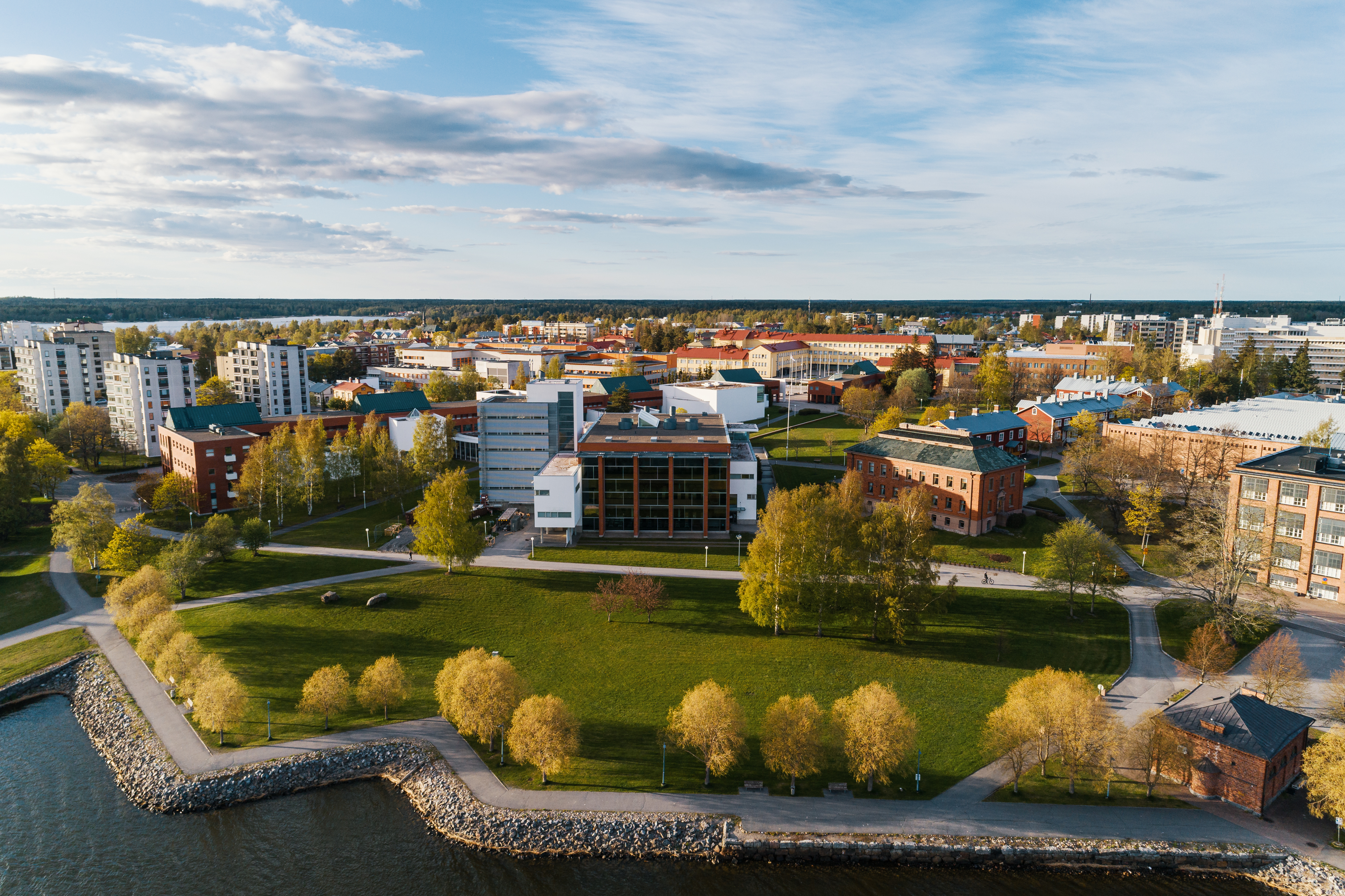
The University of Vaasa is an international and multidisciplinary research university focused on sustainable business, energy, and society. Our strategic focus areas – the energy transition, business renewal, and societal transformation – guide our research and education towards impactful solutions.
We work in close collaboration with businesses and society at the heart of the Nordic region’s largest energy technology hub. Through research, innovation, and partnerships, we promote the use of clean energy, responsible consumption and production, and sustainable economic growth.Image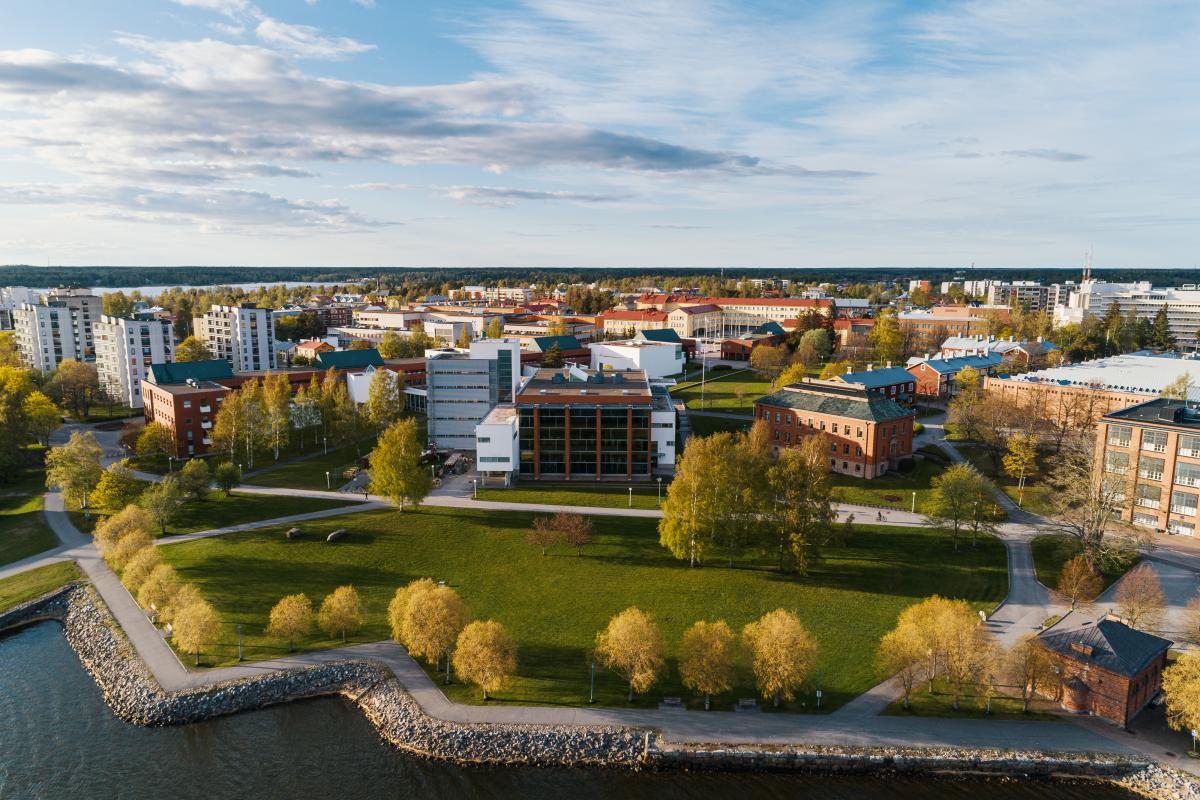
Via our research platforms, we conduct challenge- and phenomenon-driven, interdisciplinary research that makes a difference in the real world, addressing global societal challenges. We emphasise the importance of engaging collaborators from industry and society. Given our location at the heart of Northern Europe's largest energy and environment cluster, it is especially our responsibility to spearhead the promotion of sustainability. The Vaasa region's community-based innovation and economic impact is recognised both nationally and internationally. Our cooperation with the region's global exporters is exceptionally close and impressive, as our education and research activities add value to the surrounding international and national ecosystem.
Our location at the heart of Northern Europe’s largest energy and environmental technology hub strengthens our mission: to drive the energy transition, mitigate climate change, and promote sustainable business. This mission is also reflected in how we build partnerships and engage internationally – with purpose, responsibility, and impact.
For additional information of the University of Vaasa, please visit our website.
- The Preparedness and Resilience Research Platform (PREP)
-
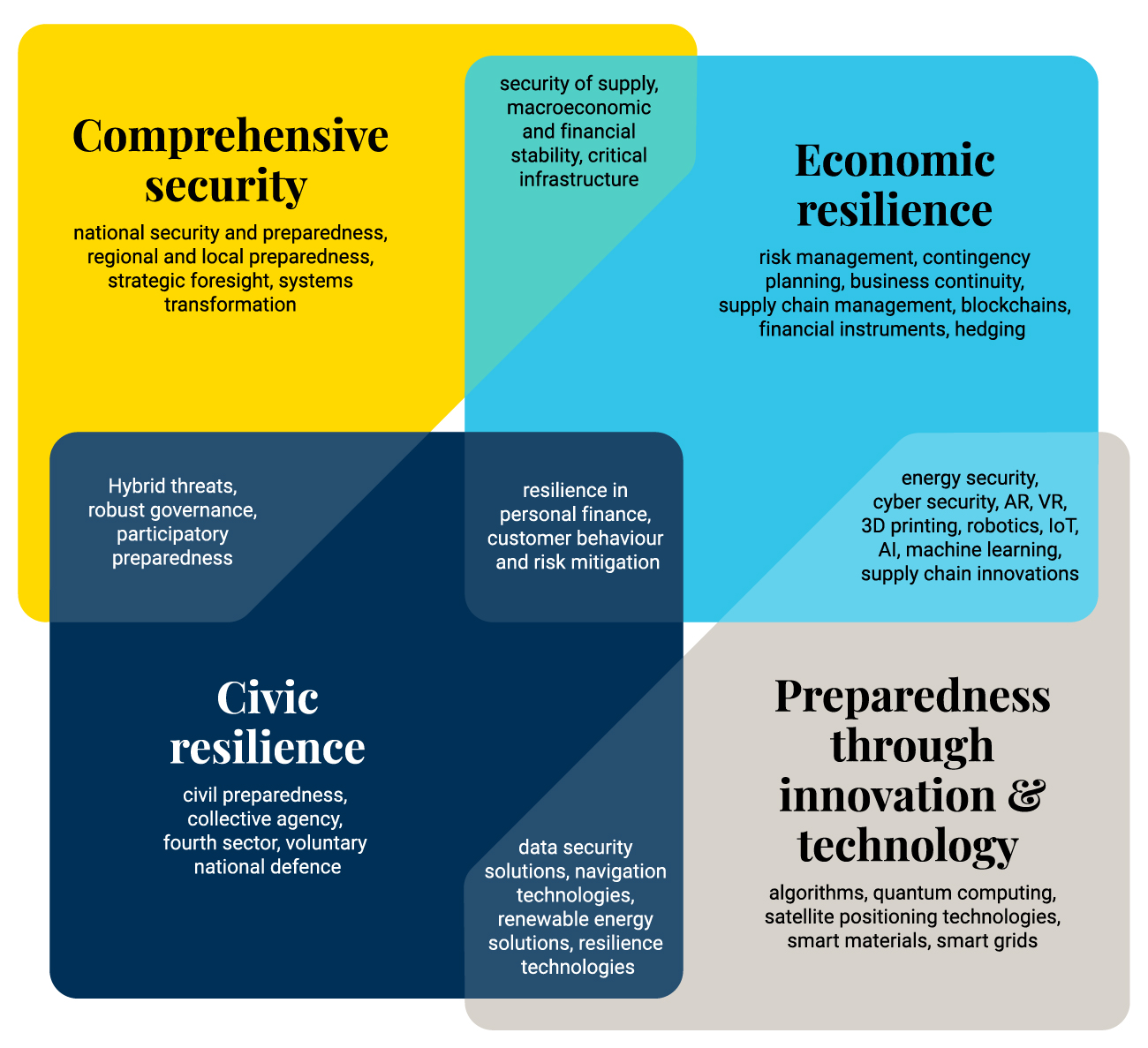
The Preparedness and Resilience Research Platform (PREP) is an open, multidisciplinary research environment at the University of Vaasa. The platform will enhance research on economic and societal resilience, as well as comprehensive security and preparedness.
Research themes
Geopolitical tensions, a changing security environment, and growing uncertainties are posing challenges to economies and societies. The research conducted within the platform helps to address these challenges and provides science-based information and insights to support decision-making.
The research includes a wide range of topics related to resilience and preparedness, as well as their intersections.
Image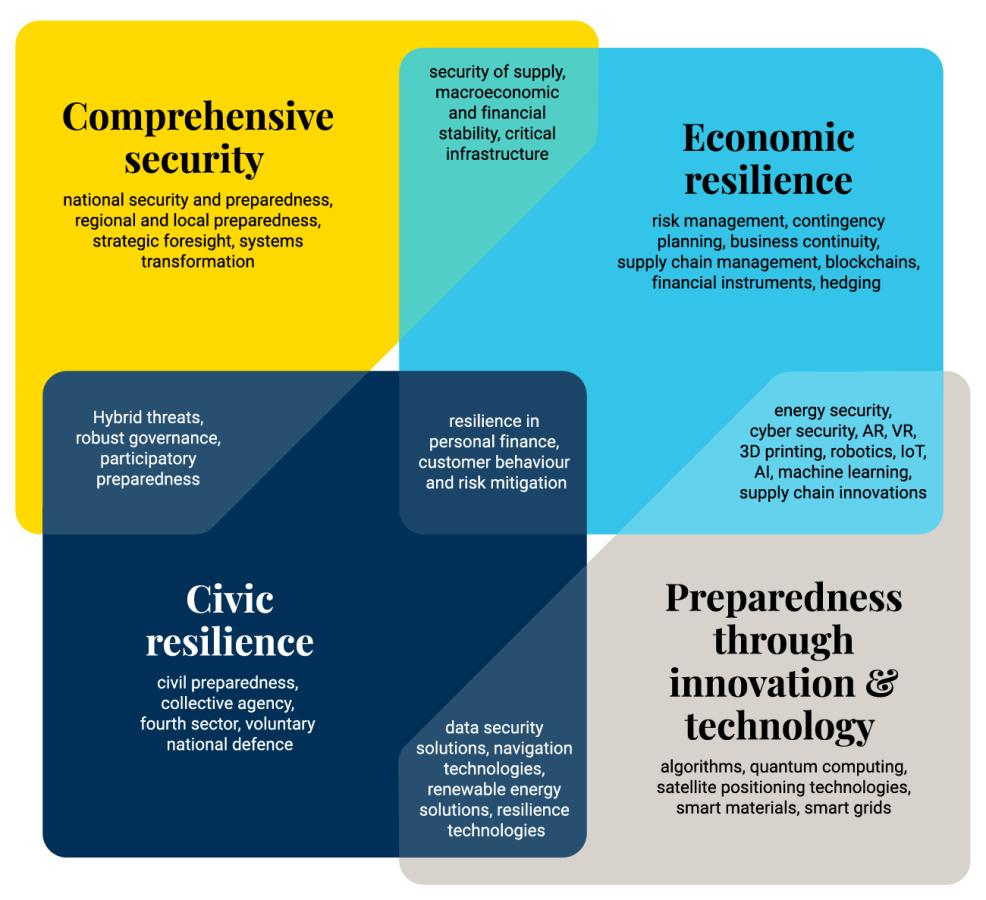
The platform receives support for the development of research and operations from a multidisciplinary Advisory Board, which brings together influential representatives from business and society.
For more information of the Preparedness and Resilience Research Platform, please visit the platform's website.
- Practical information & the venue
-
The conference will take place in Brussels, at the Royal Academy of Sciences (“Palais des Académies”).
Académie royale des Sciences, des Lettres et des Beaux-Arts de Belgique
Adresse postale : Rue Ducale 1, 1000 Bruxelles - Belgique
For further information about the event, you may contact Philippe Vanrie in Brussels (philippe.vanrie@uwasa.fi) or Malin Wikstedt in Finland (malin.wikstedt@uwasa.fi).
Image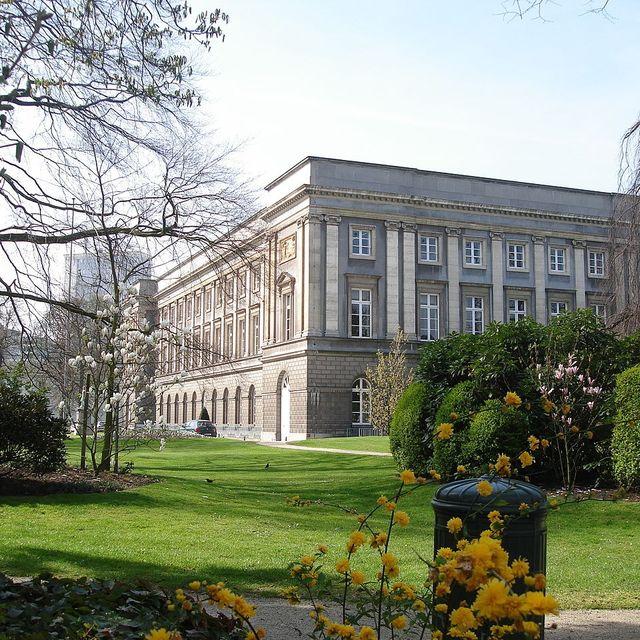
- Pictures
-
Thank you for participating in the Energy Transition & Comprehensive Resilience conference!
You can find pictures from the event behind this link.
Image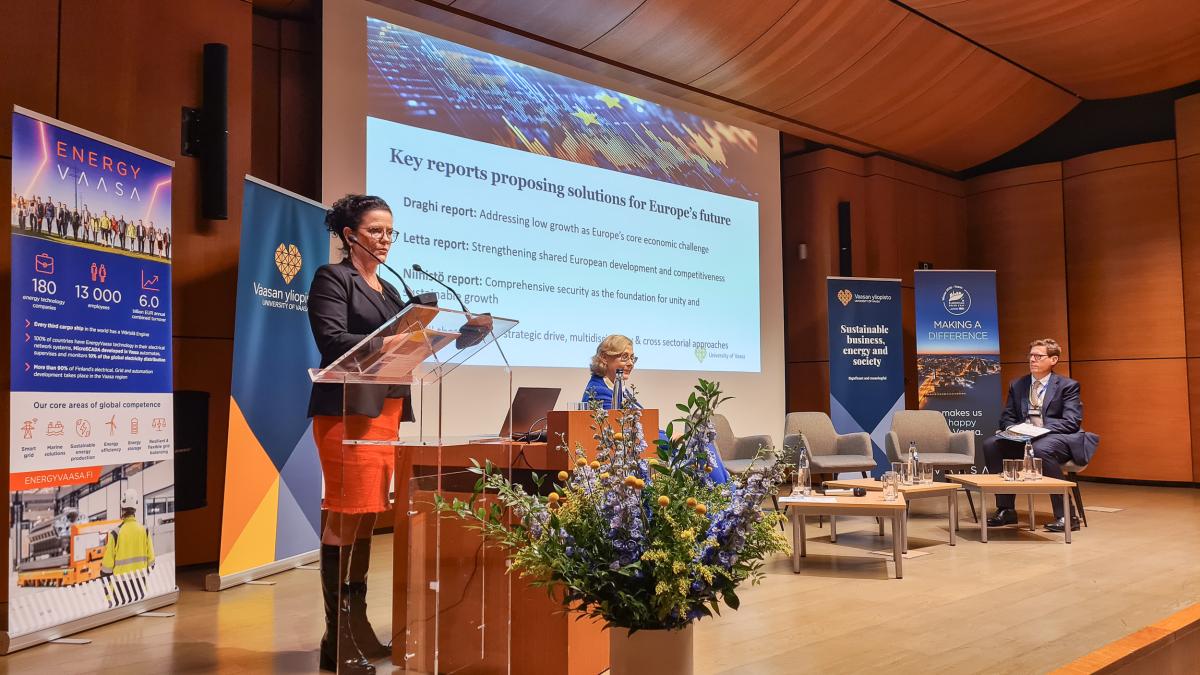
Organised by
Image
Associate Partners